August 2026 - Monteprandone, nel silenzio della storia
Monteprandone si trova in provincia di Ascoli Piceno nelle Marche. Il suo nucleo storico d'origine, che conserva intatto l'antico incasato medievale, fa parte del circuito de “I borghi più belli d'Italia”.
Il centro urbano è situato nel subappennino marchigiano, posto nell'immediato entroterra di San Benedetto del Tronto, a soli 5 km di distanza dalla costa del mare Adriatico. L'abitato si sviluppa lungo la cresta di una breve dorsale collinare, preposta a dividere la valle del torrente Ragnola, disposta a nord, da quella del fiume Tronto, collocata a sud.
La tradizione storica fa risalire l'erezione del primo nucleo castellano al IX secolo, attribuendola a un cavaliere franco al seguito delle armate di Carlo Magno. Il nome del militare sarebbe stato Brandone o Prandone, dal quale derivò la successiva denominazione del castello e del borgo.
Ancor’oggi, passeggiando nei vicoli del Borgo, il visitatore puo’ immaginare la magia dei tempi antichi e del silenzio che cala sui luoghi, invitandoci ad una riflessione su Cavalieri e Artigiani che ci hanno preceduto.











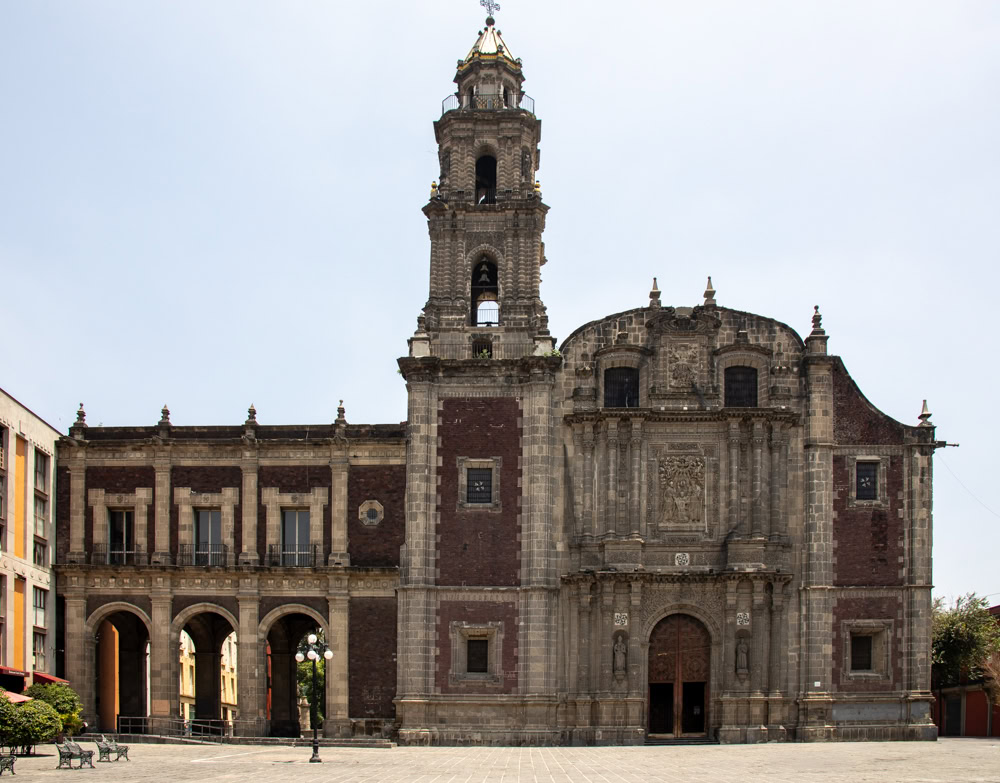
August 2025 - Templo de Santo Domingo de Guzman, Ciudad de Mexico
Ciudad de México draws visitors into a swirl of emotions: colourful, lively, at times chaotic, yet also offering moments of refuge in peaceful neighbourhoods such as Coyoacán—chosen by Frida Kahlo and Diego Rivera, as well as Leon Trotsky, as their home.
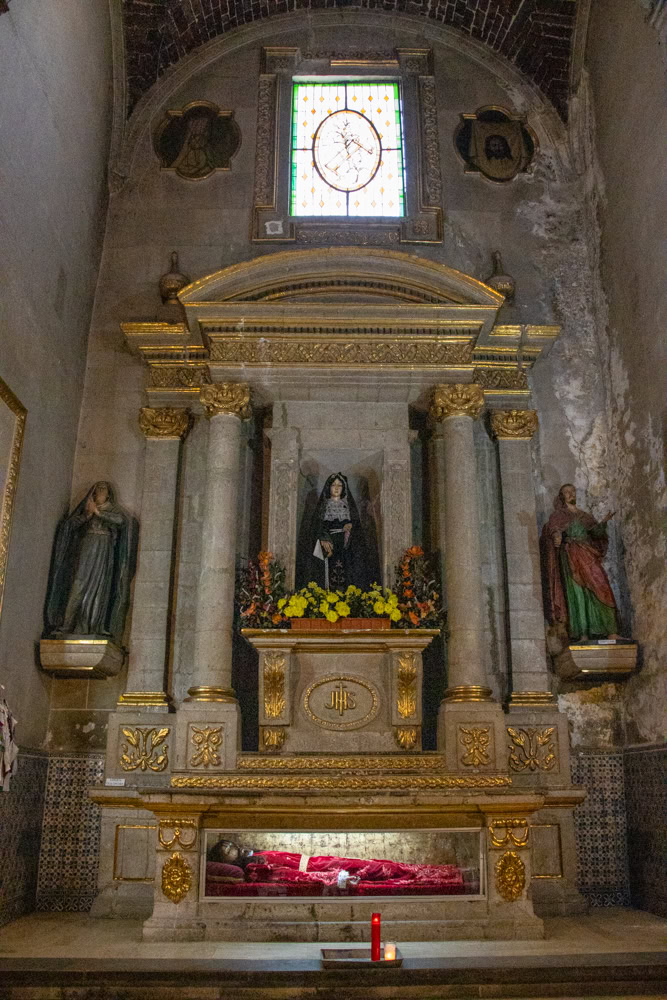
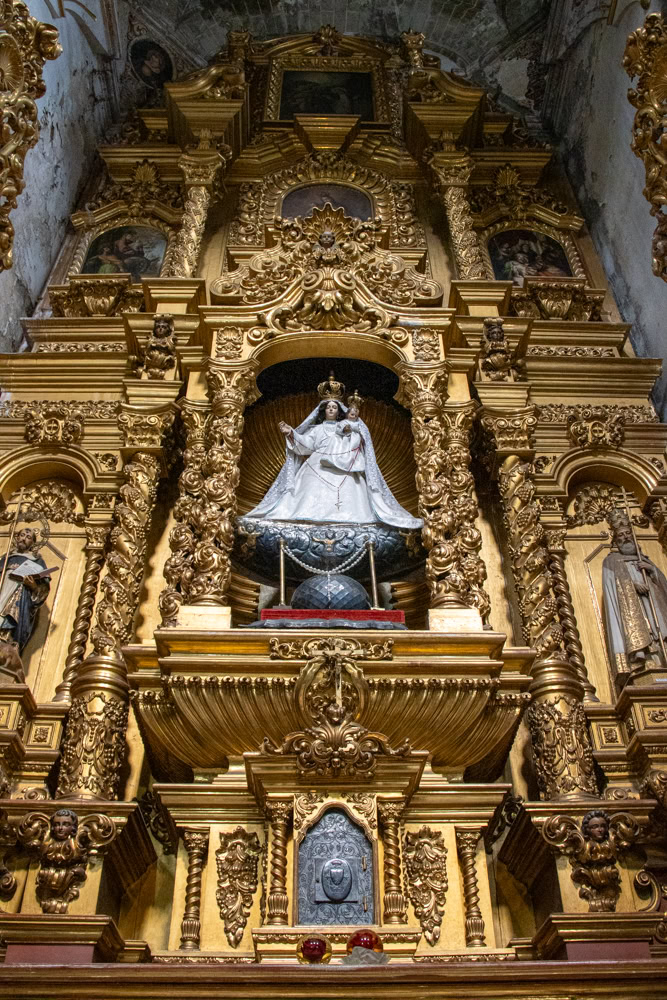
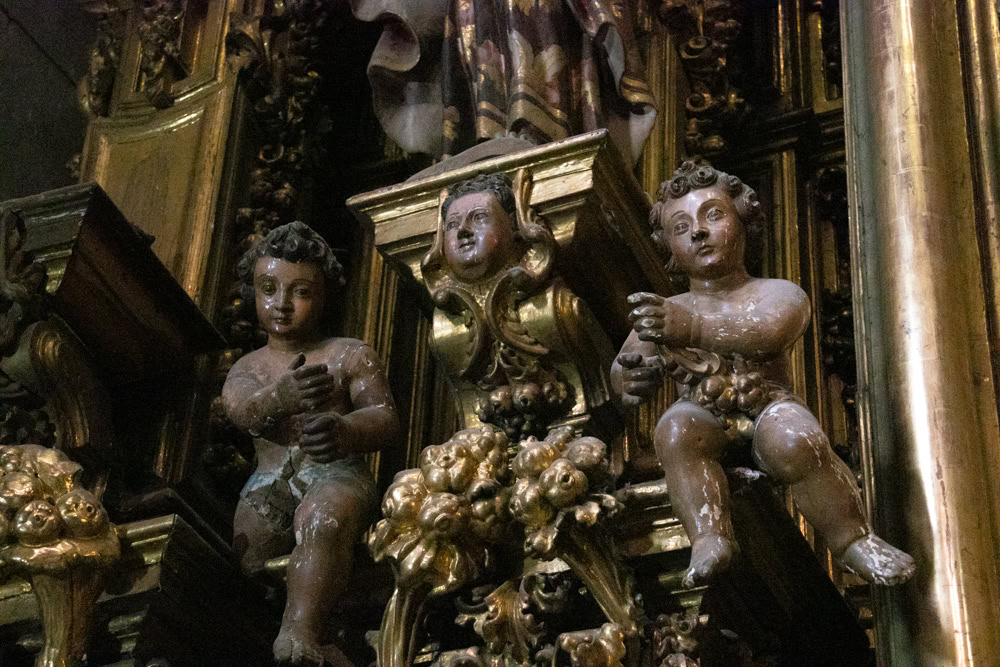
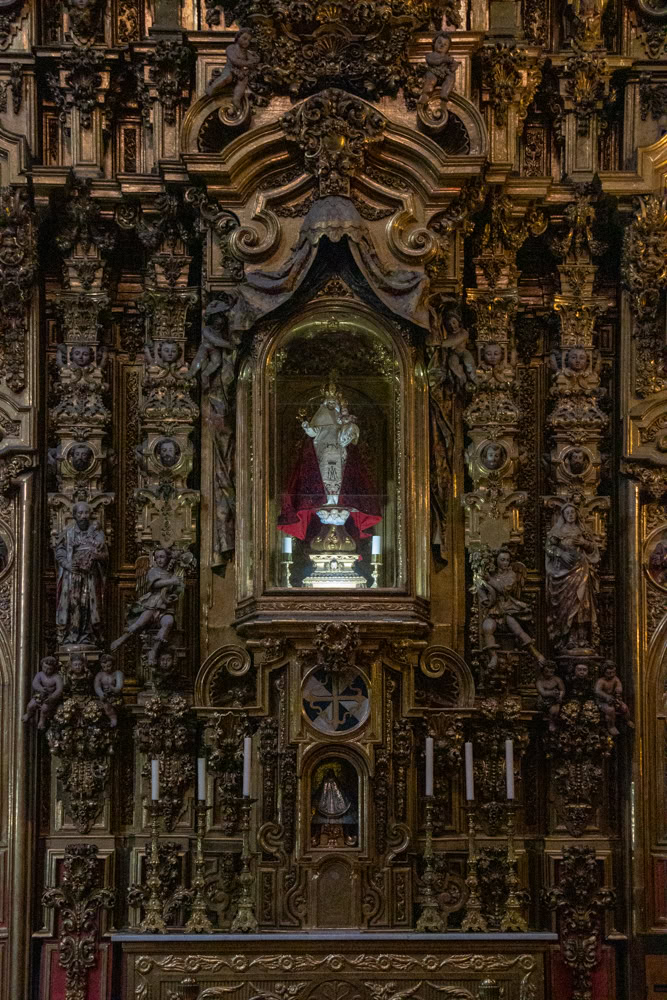
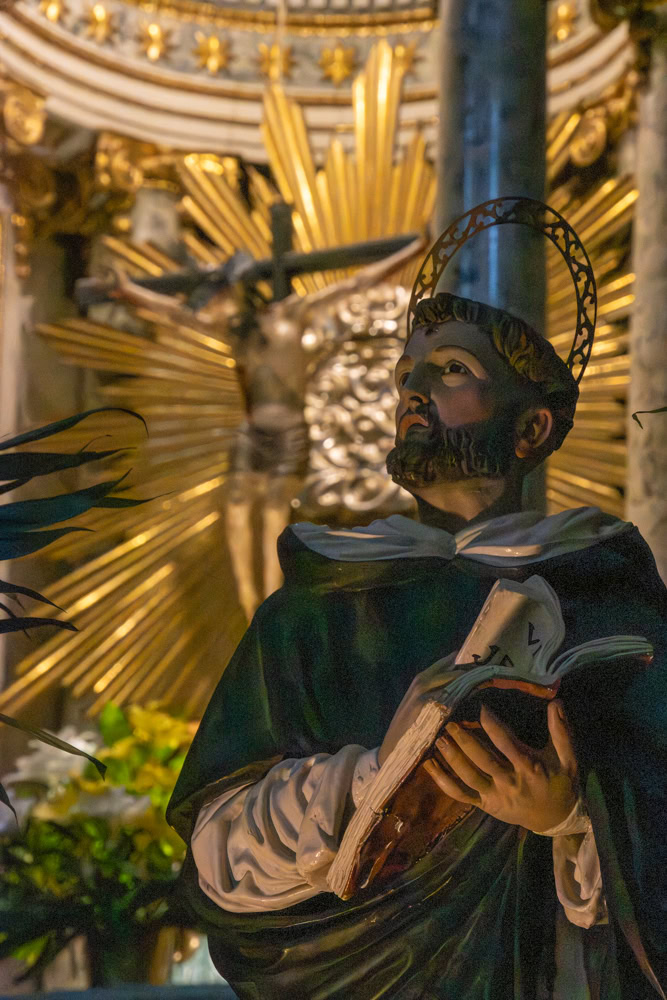
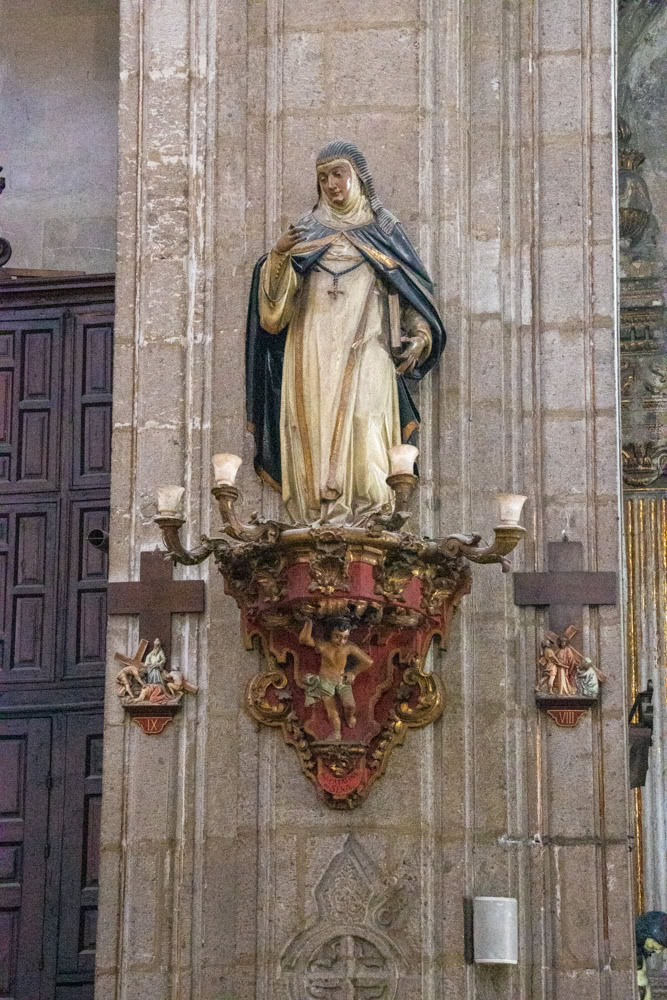
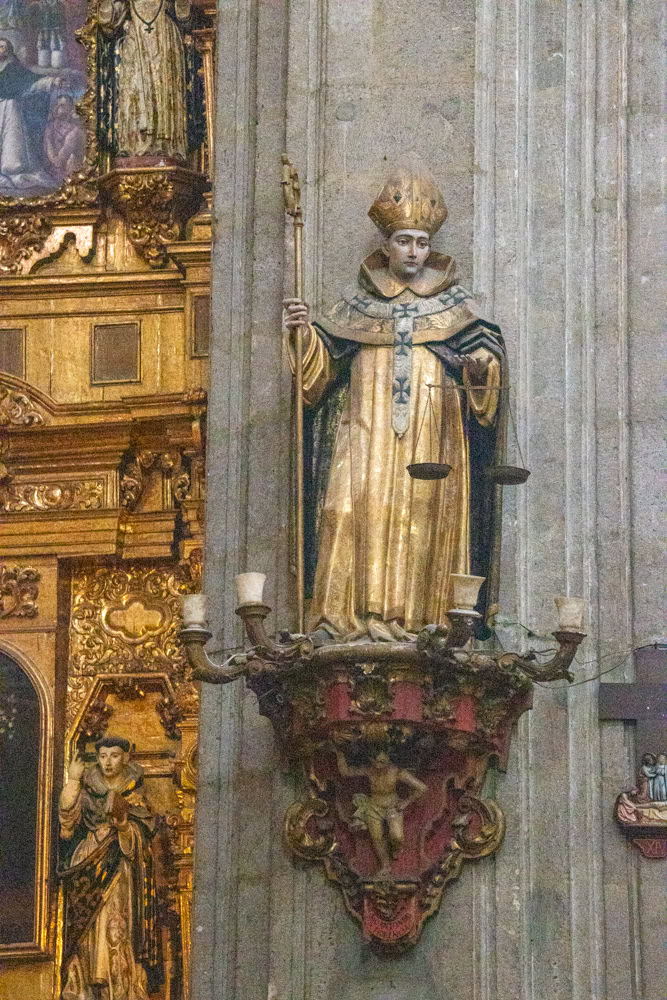
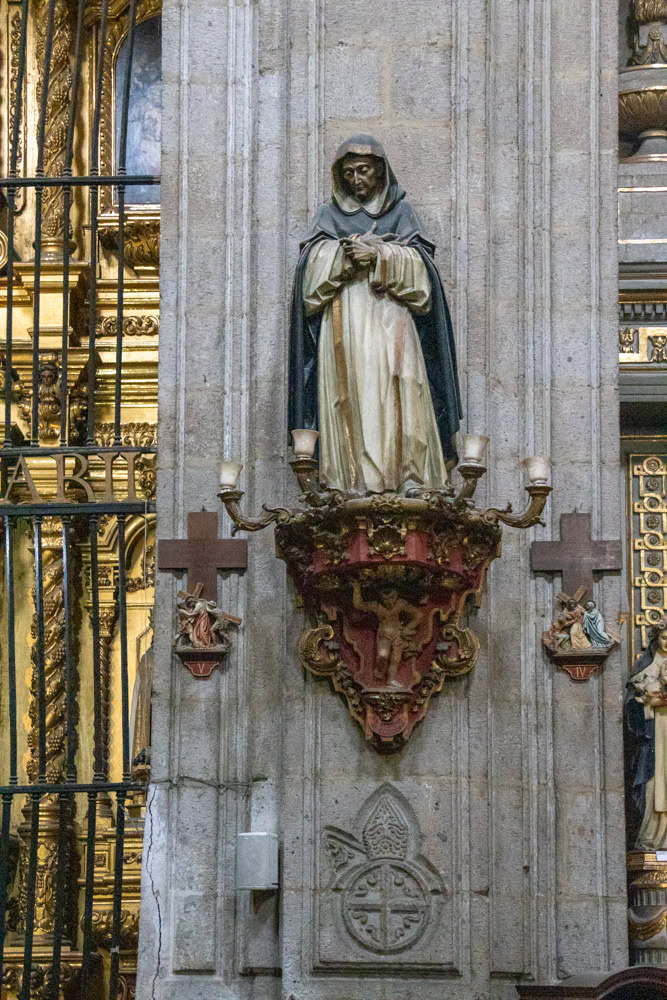
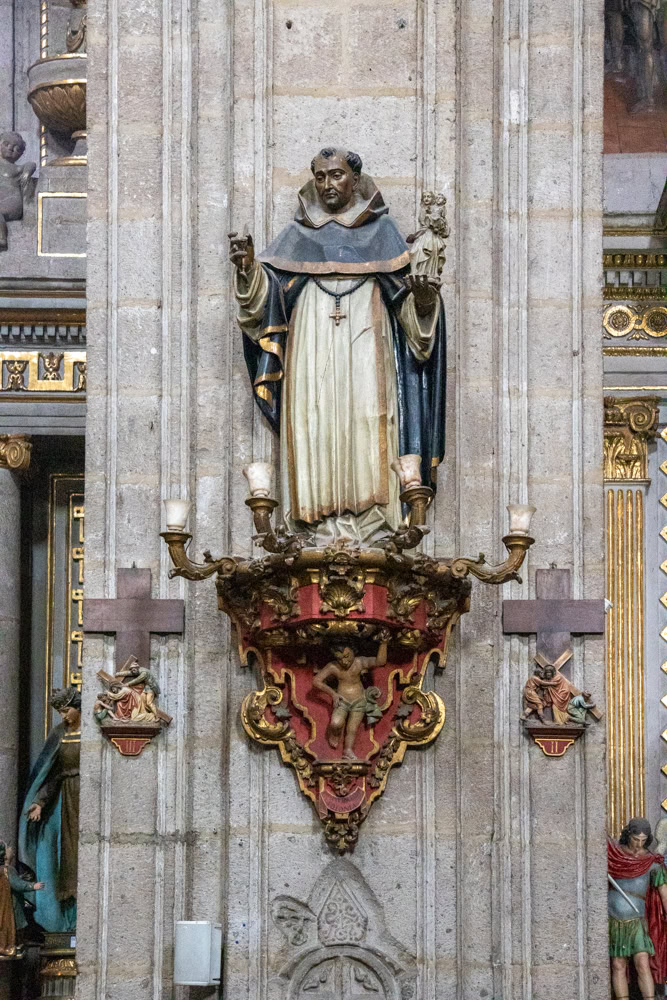
This emotional intensity is powerfully reflected in the city’s churches and their dramatic visual narratives of the lives of Jesus and the saints. The Passion of Christ is often portrayed in stark, realistic—sometimes even crude—detail, while the Virgin Mary and the saints appear dressed in fine, almost luxurious garments, framed by opulent altars and elaborate tributes to both the saints and the high ecclesiastical dignitaries of their time.
These interiors stand as historical statements: in the colonial era they asserted the dominance of European “Conquistador” culture over indigenous, animistic beliefs. Yet those older beliefs remain visible, transformed and absorbed into a deeply passionate and expressive form of religiosity.
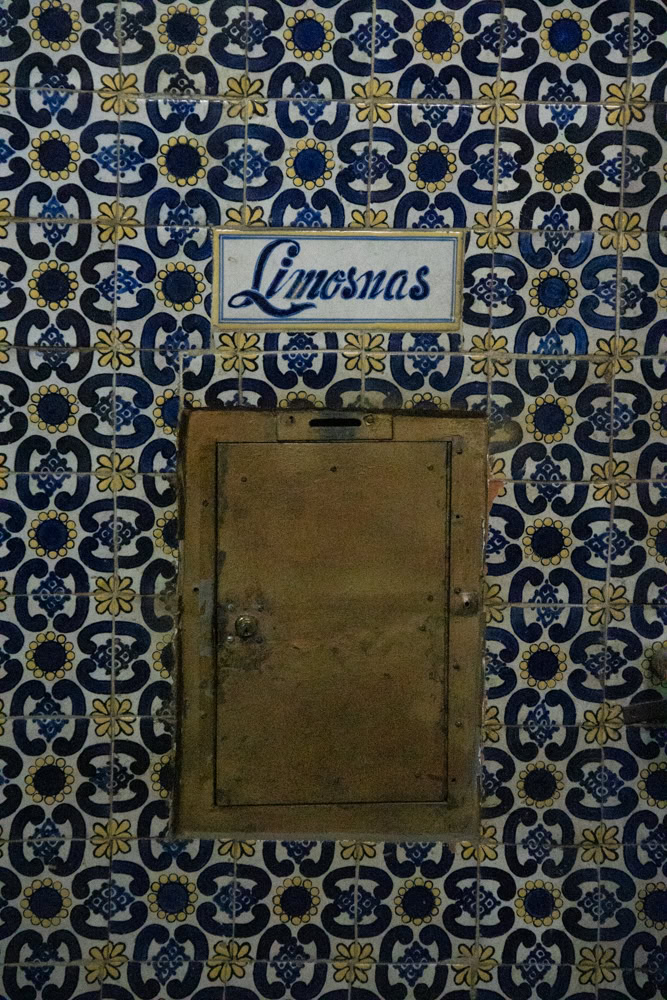
All of these photographs were taken at the Templo de Santo Domingo de Guzmán, Ciudad de México—one of many such remarkable churches that punctuate the city.















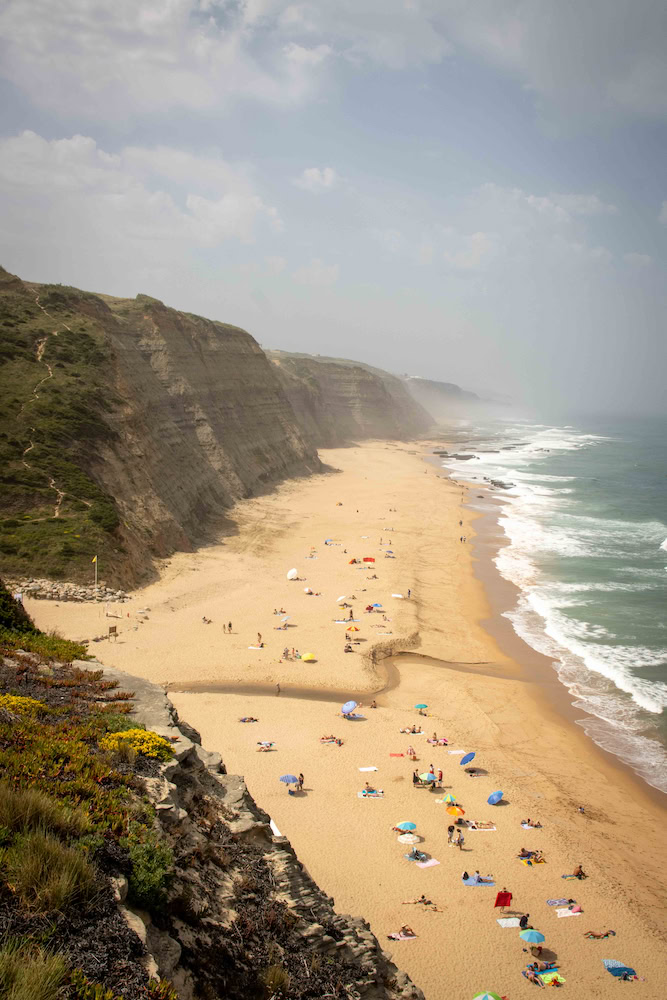
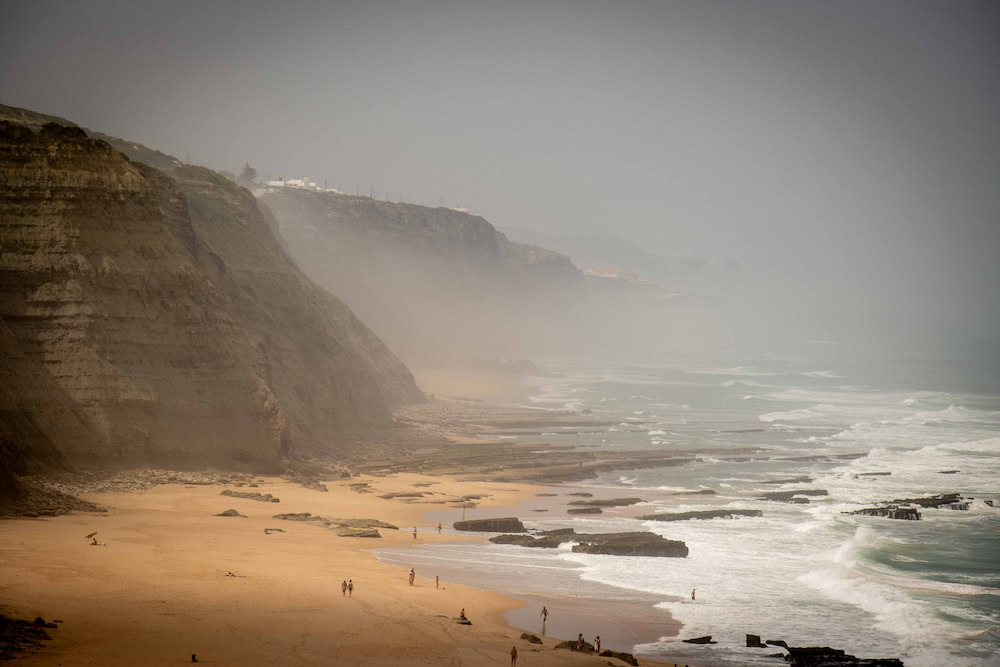
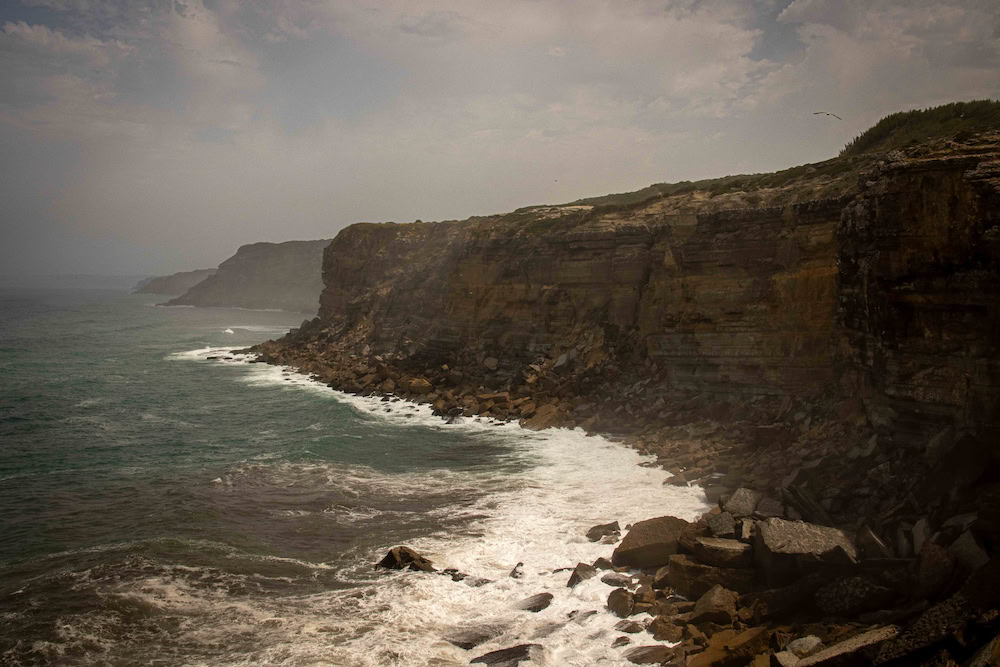
June 2025 - Portuguese Coast from Praia de Sao Juliao to Praia Azenhas de Mar
Between São Julião and Azenhas do Mar, the Atlantic arrives with nothing to slow it. Long lines of swell march in from the open ocean and break hard against the shore, whitewater churning over sand and reef alike, the sea loud even on calm days.
Above the water, the land holds its ground. Amber and ochre cliffs, folded and compressed over millions of years, drop sheer into the surf, their slopes laced with wind-bent scrub and aromatic plants that cling where nothing else can. The villages sit perched on these heights or stitched down their sides, whitewashed houses crowding the edge; at Azenhas do Mar they reach almost to the water. It is a coast preserved by being left alone, wild and unapologetic.
Google Maps






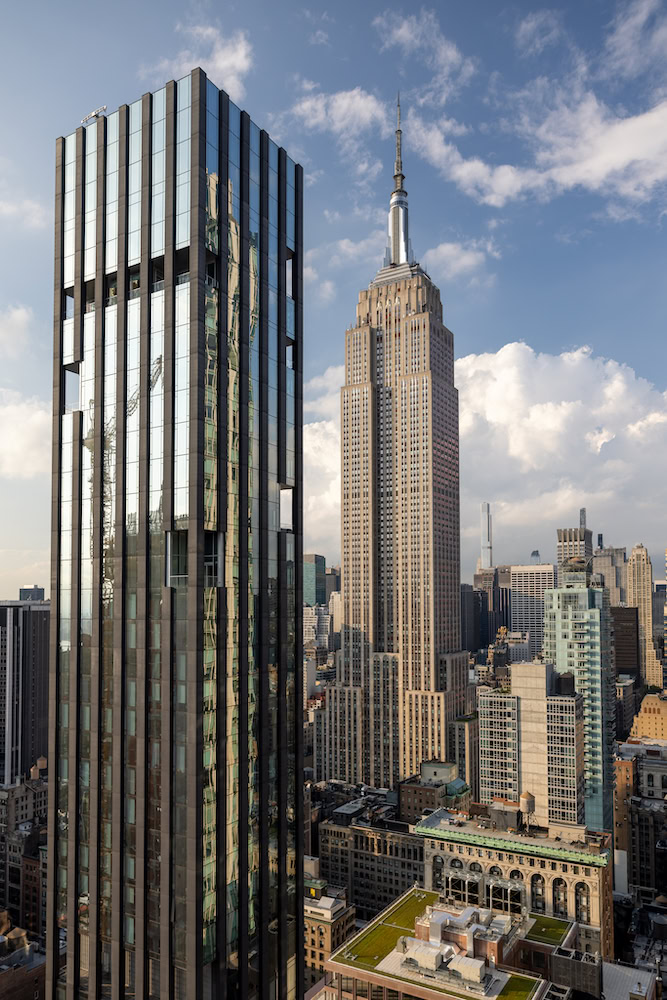
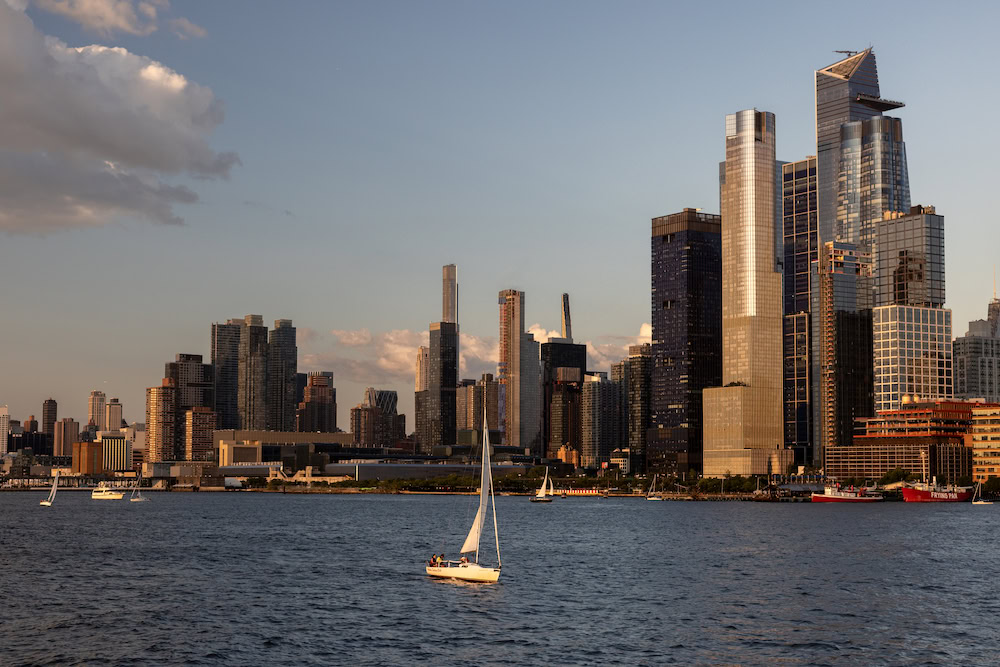
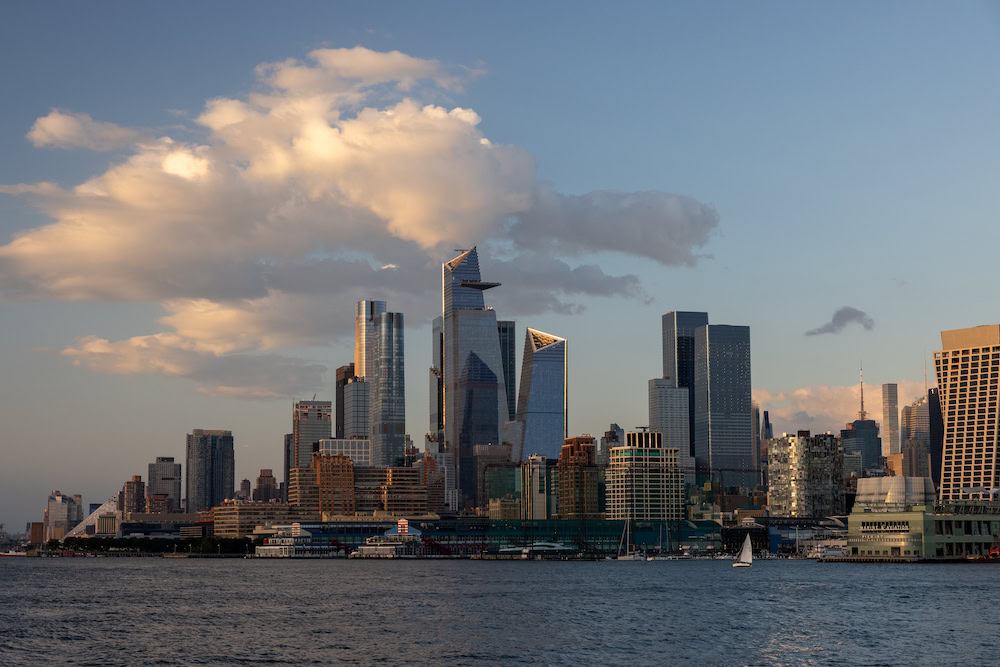
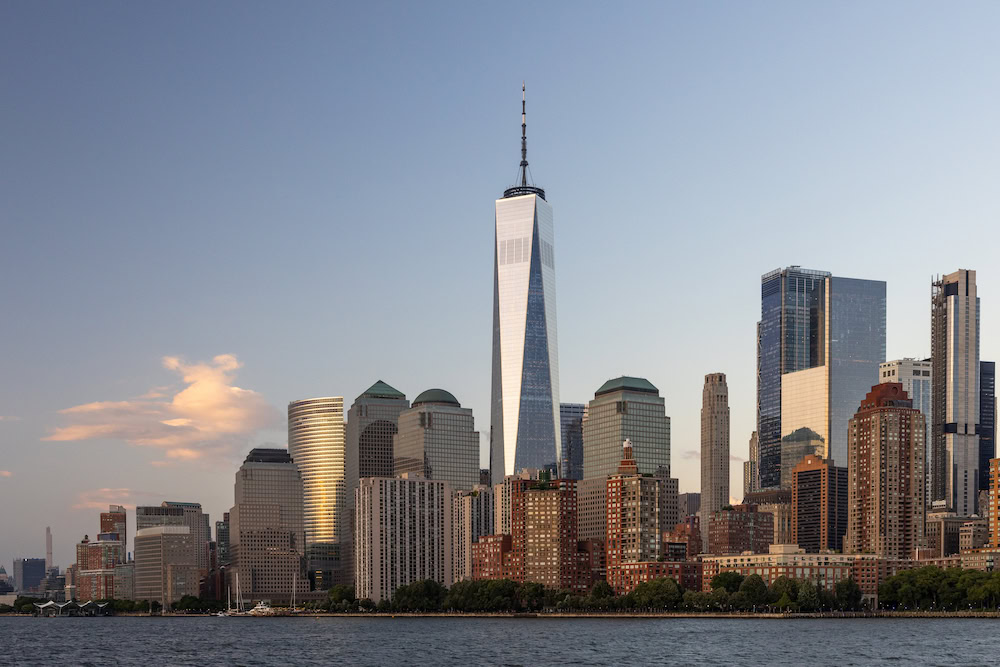
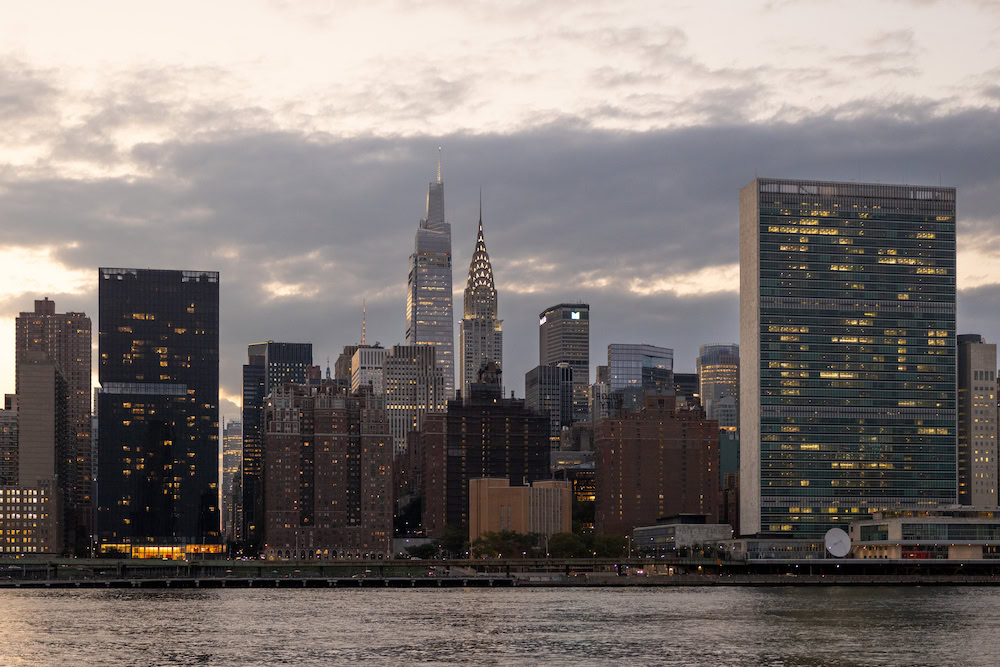
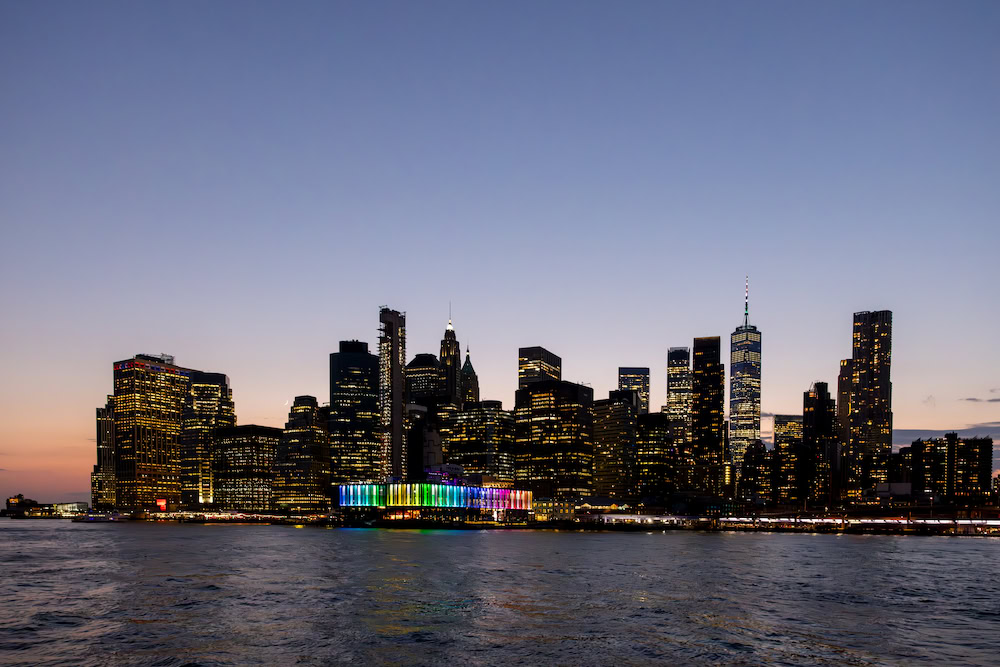
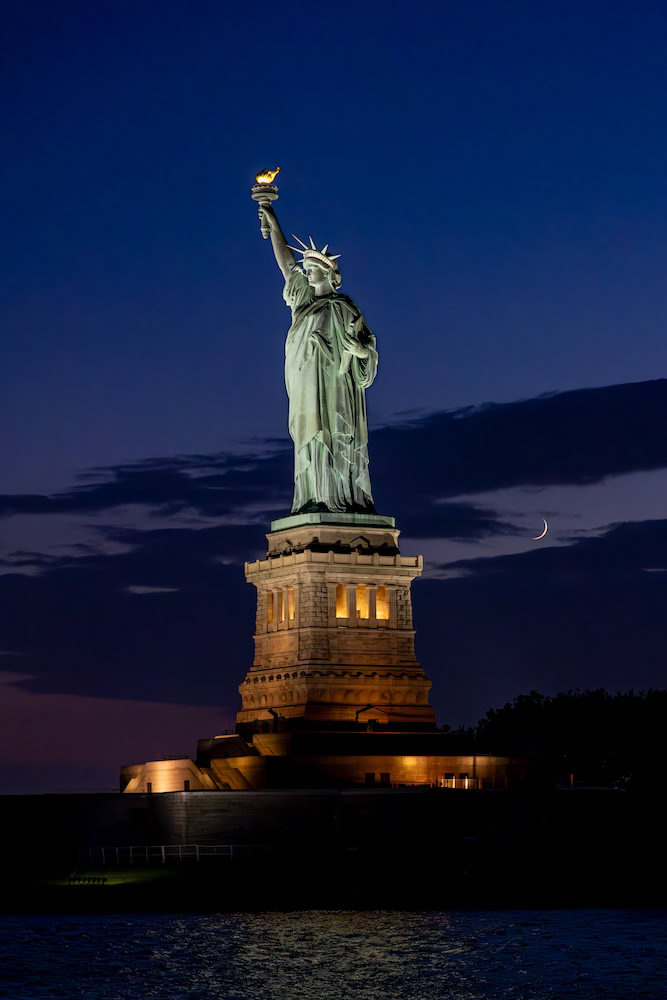
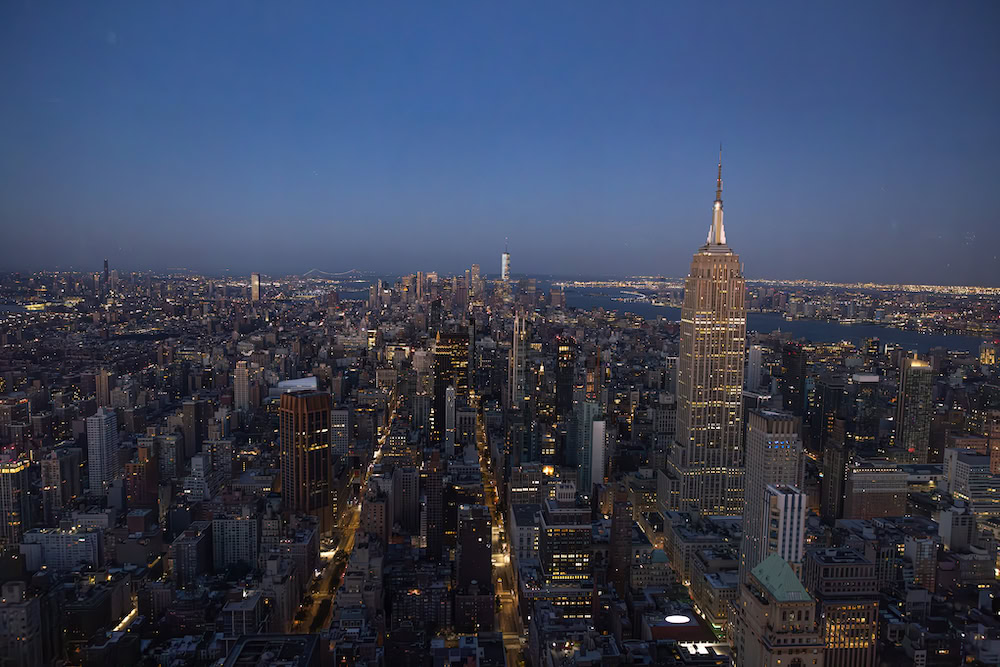
August 2023 - Random Views of New York City
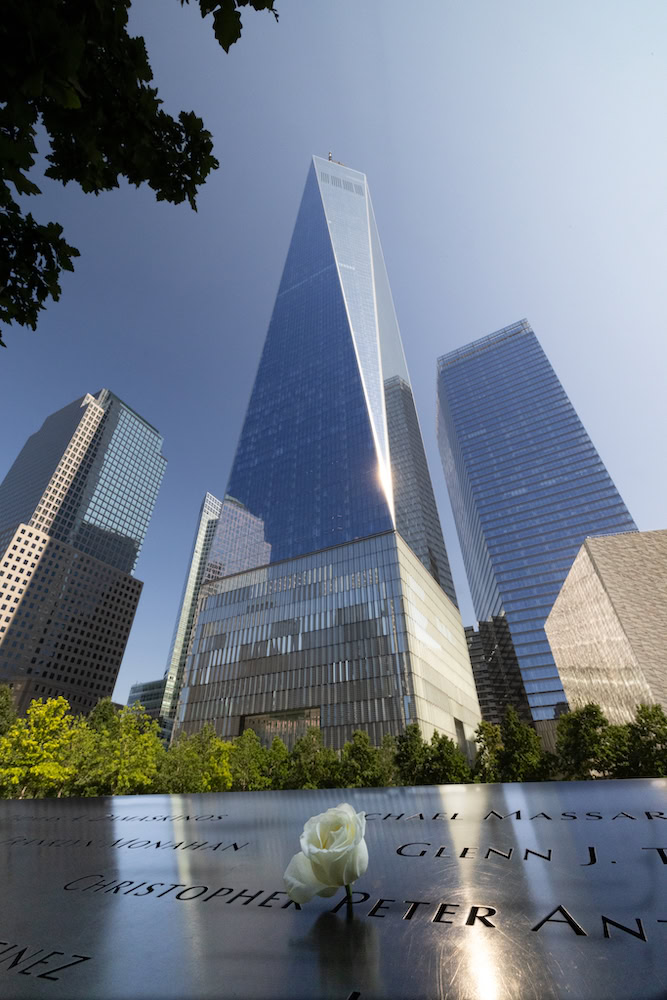
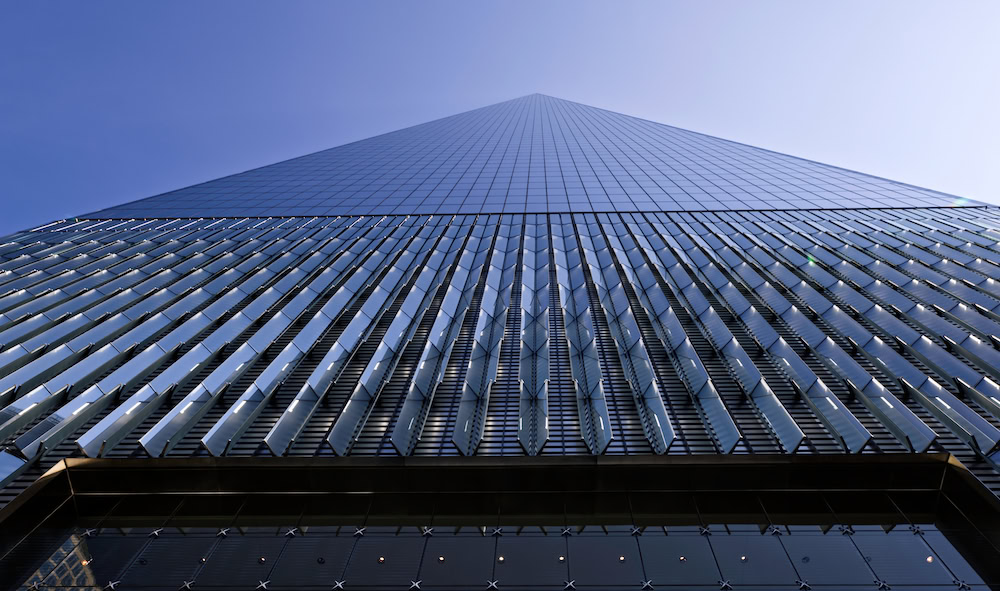
I visited New York City in the Summer of 2023 after a long absence. I was very excited and keen to take as many pictures as possible, but I was somehow taken back by the grandeur of the City, its variety and its challenges. New York is one of the most photographed city in the world. Not easy for a photographer to produce anything unique. I was lucky enough to get access to some high level observation decks, and I took a boat tour trying to get a glimpse of New York from the water. Hopefully, albeit not unique, my images share the energy and power of the city, seen from different perspectives.











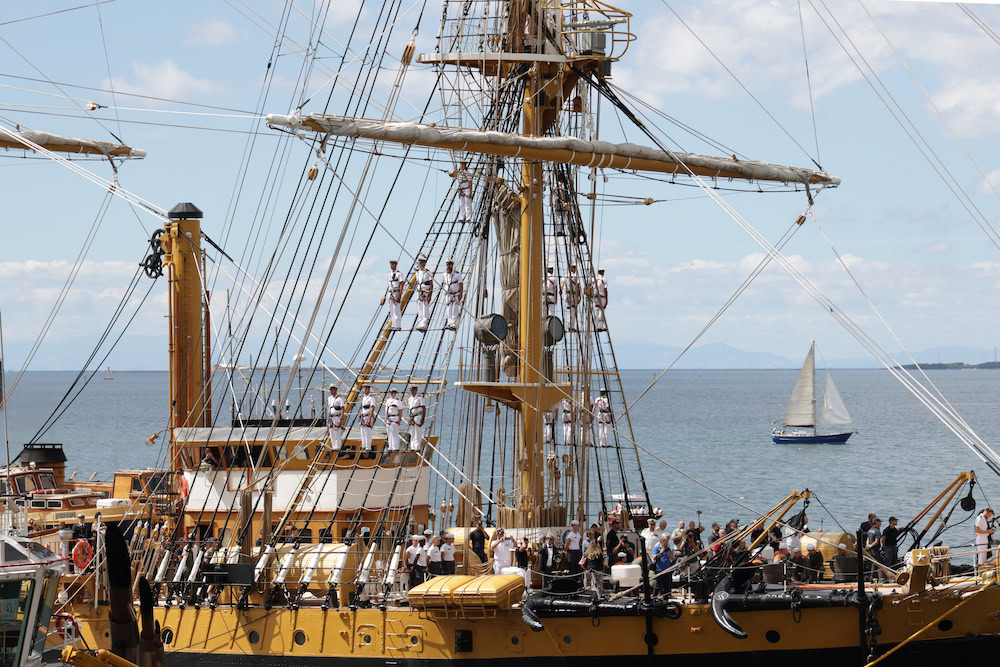
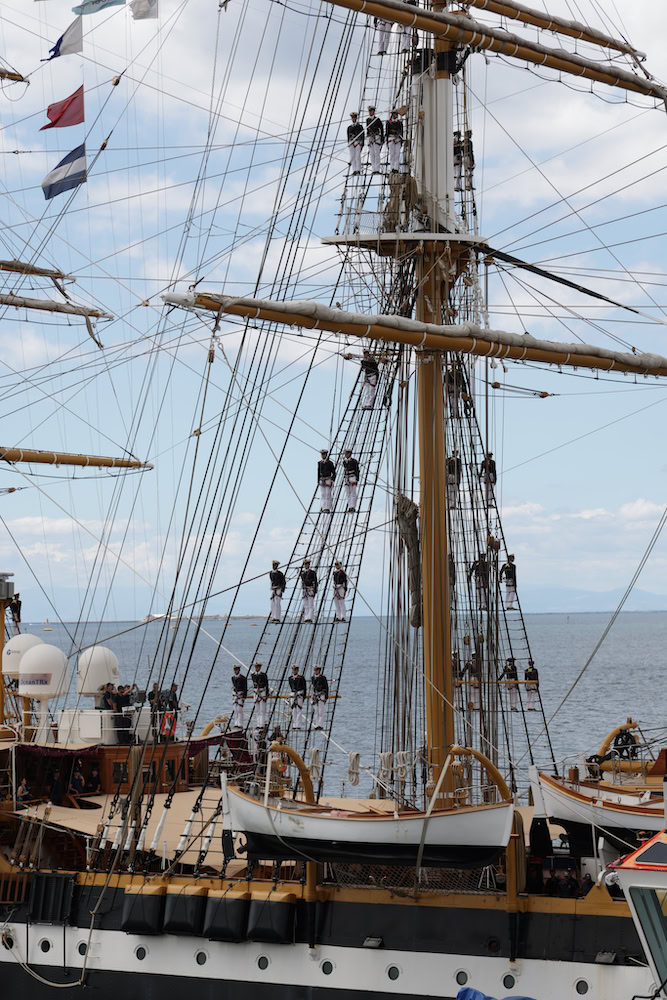
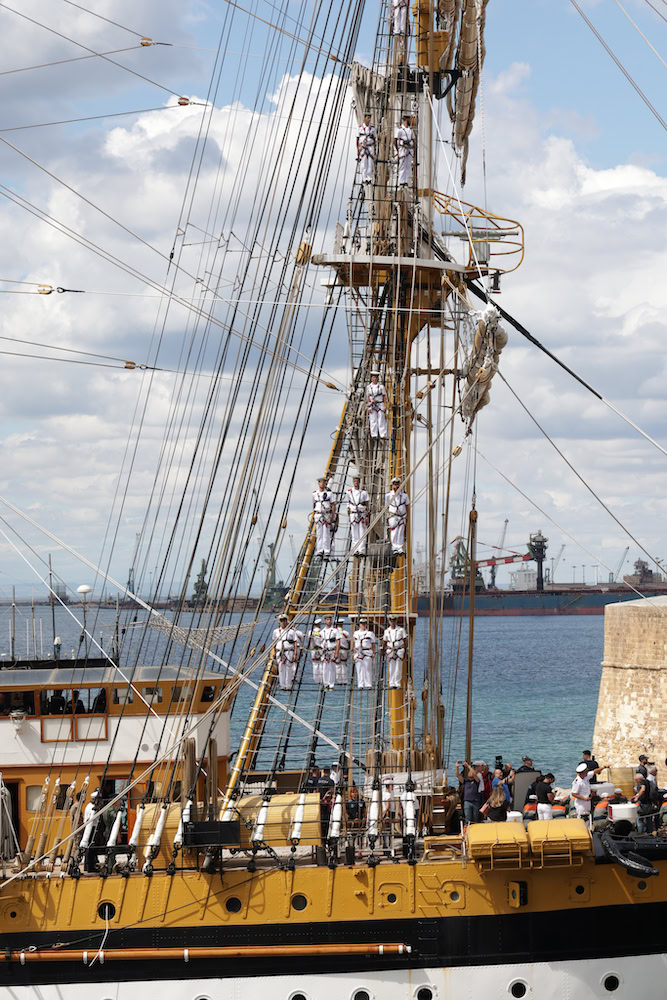
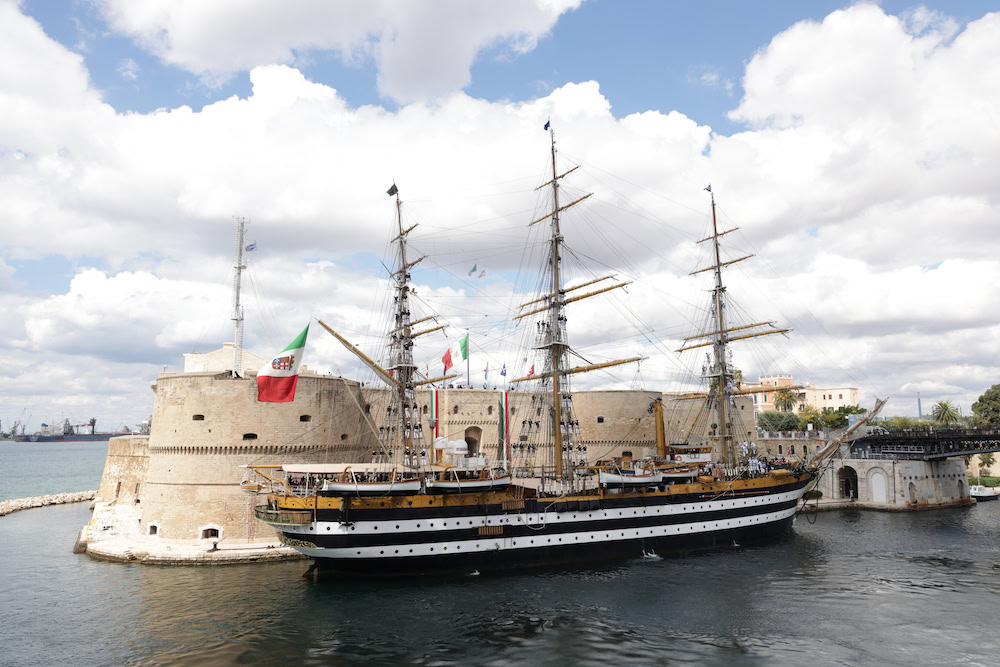
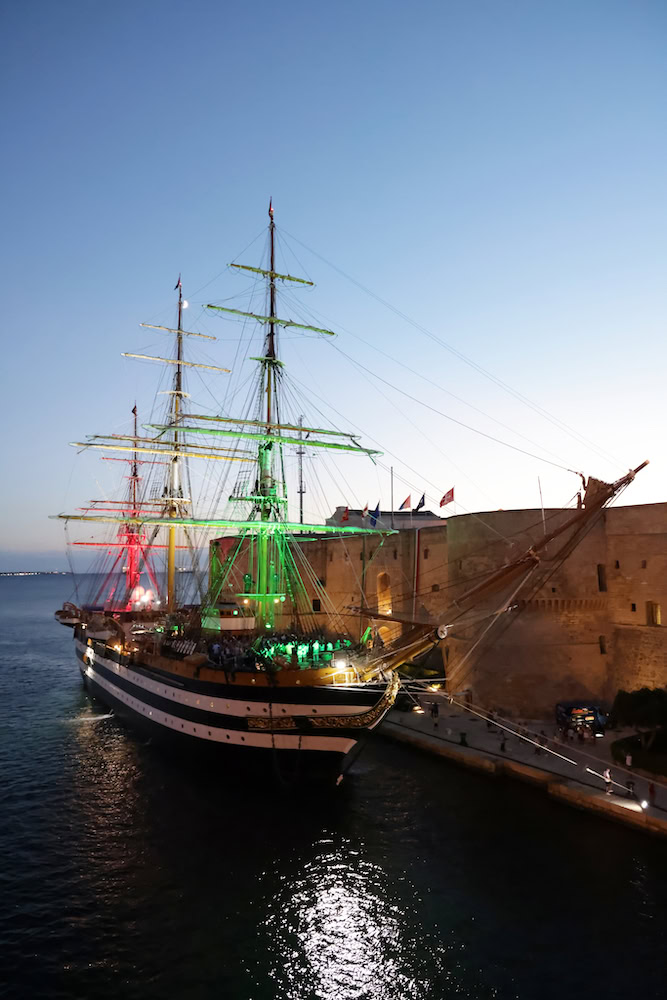
2-3 Settembre 2022 - Nave Amerigo Vespucci a Taranto
Non chi comincia ma quel che persevera
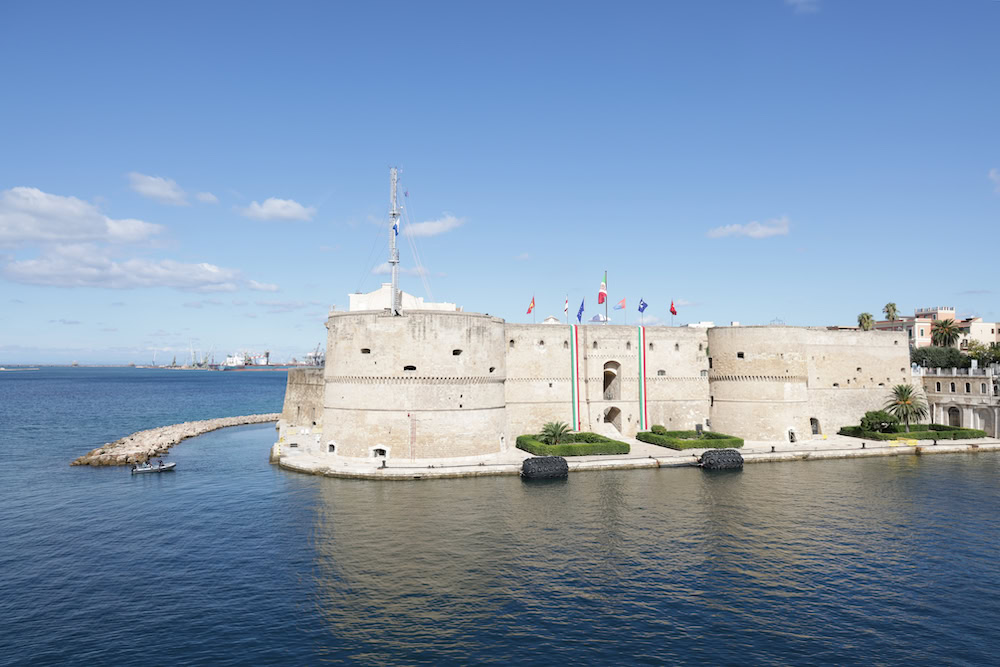
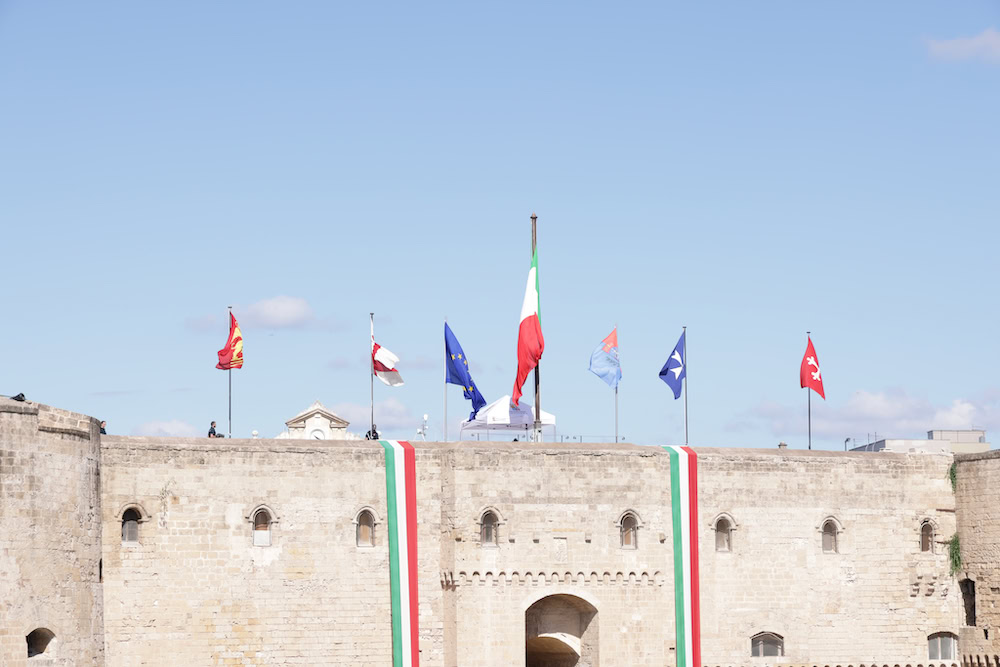
La Nave Scuola Amerigo Vespucci è l'Unità più anziana in servizio nella Marina Militare, interamente costruita e allestita presso il Regio Cantiere Navale di Castellamare di Stabia. E’ stata varata il 22 febbraio1931 e consegnata alla Regia Marina il 26 maggio1931, entrando in servizio come Nave Scuola il successivo 6 giugno. Il 15ottobre1931 ricevette la Bandiera di Combattimento, offerta dal locale Gruppo UNUCI (Unione Nazionale Ufficiali in Congedo d'Italia).
L'attrezzatura velica della nave Amerigo Vespucci è "armata a Nave", con tre alberi verticali, trinchetto, maestra e mezzana, tutti dotati di pennoni e vele quadre, più il bompresso porgente a prora, a tutti gli effetti un quarto albero.
L'unità è inoltre fornita di vele di taglio: i fiocchi, aprora, frail bompresso e il trinchetto, gli stralli, fra trinchetto e maestra e fra maestra e mezzana, e la randa, dotata di boma e picco, sulla mezzana.
Google Maps









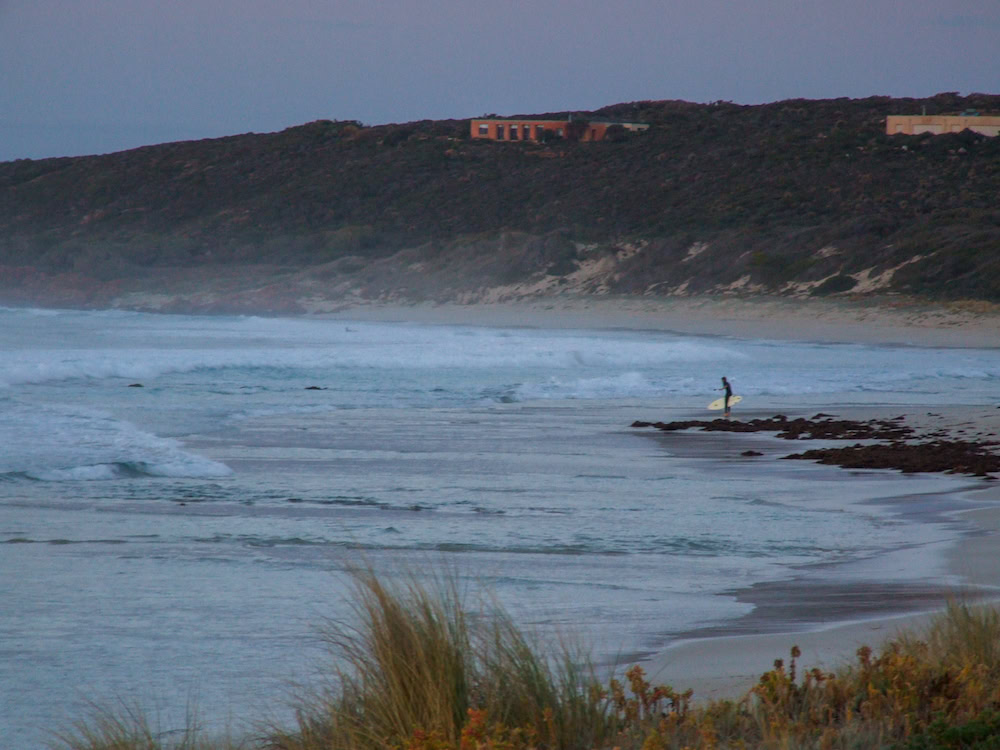
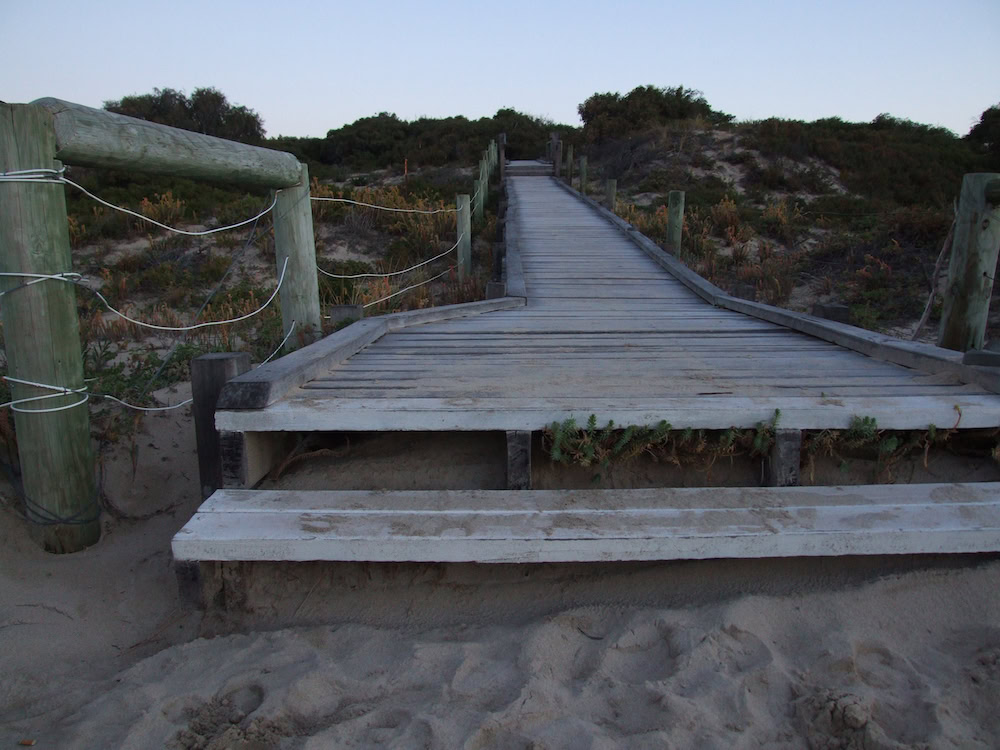
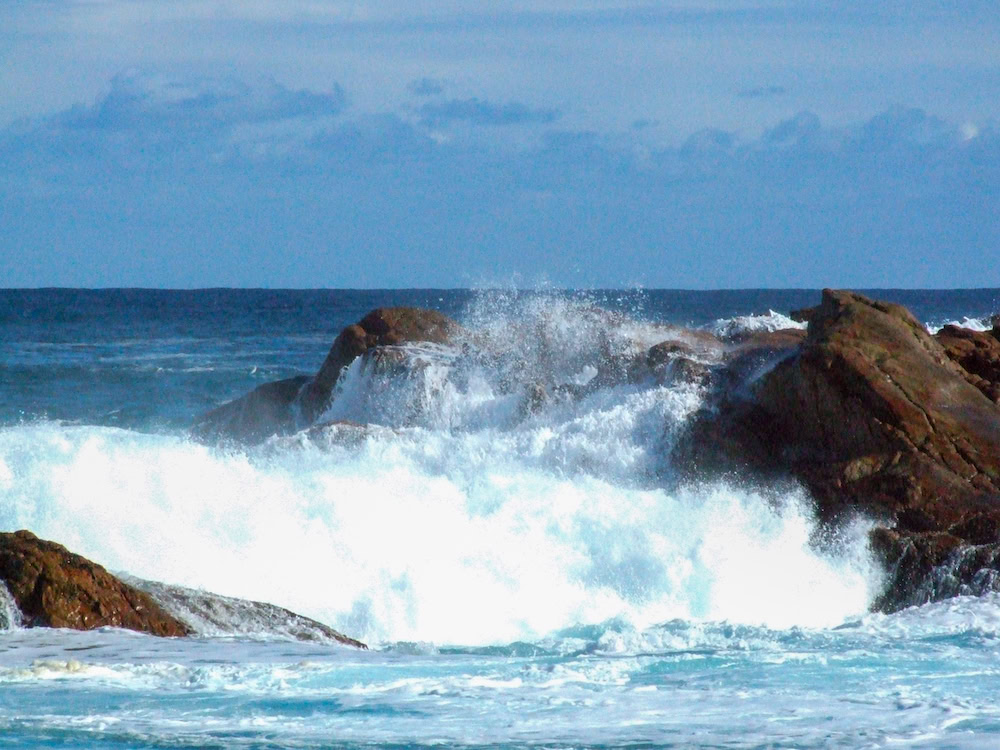
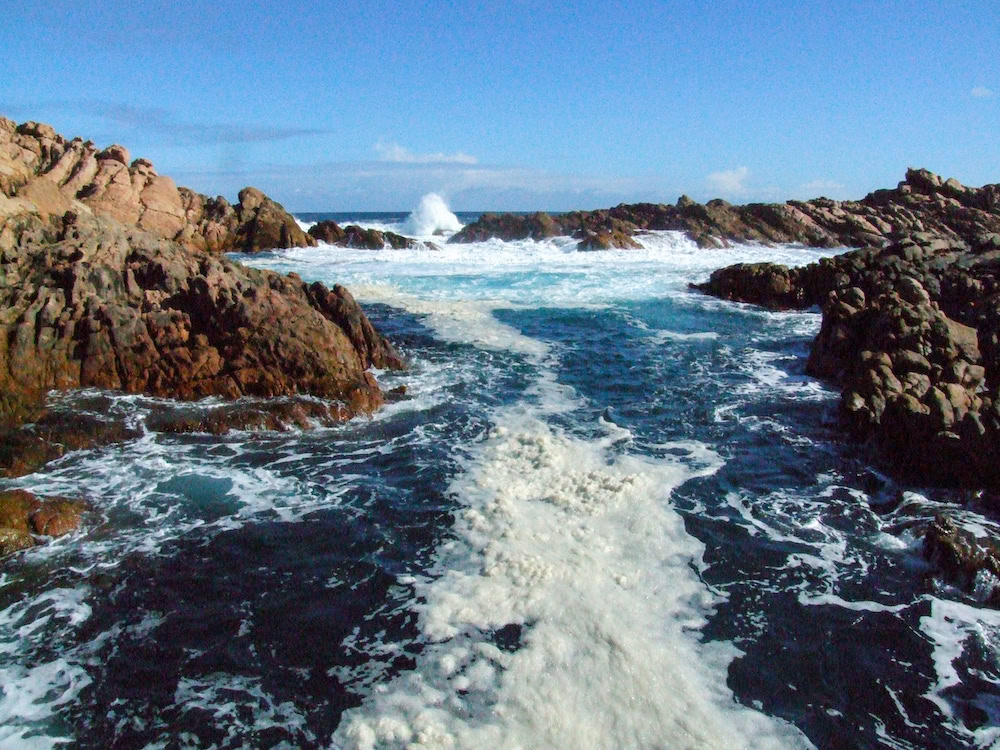
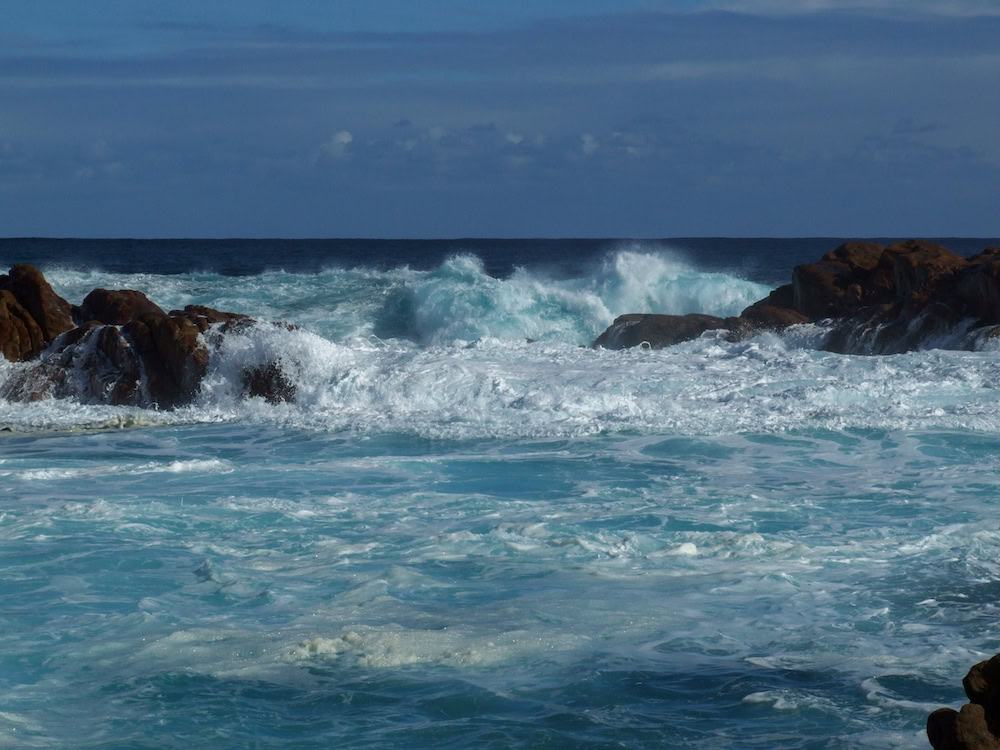
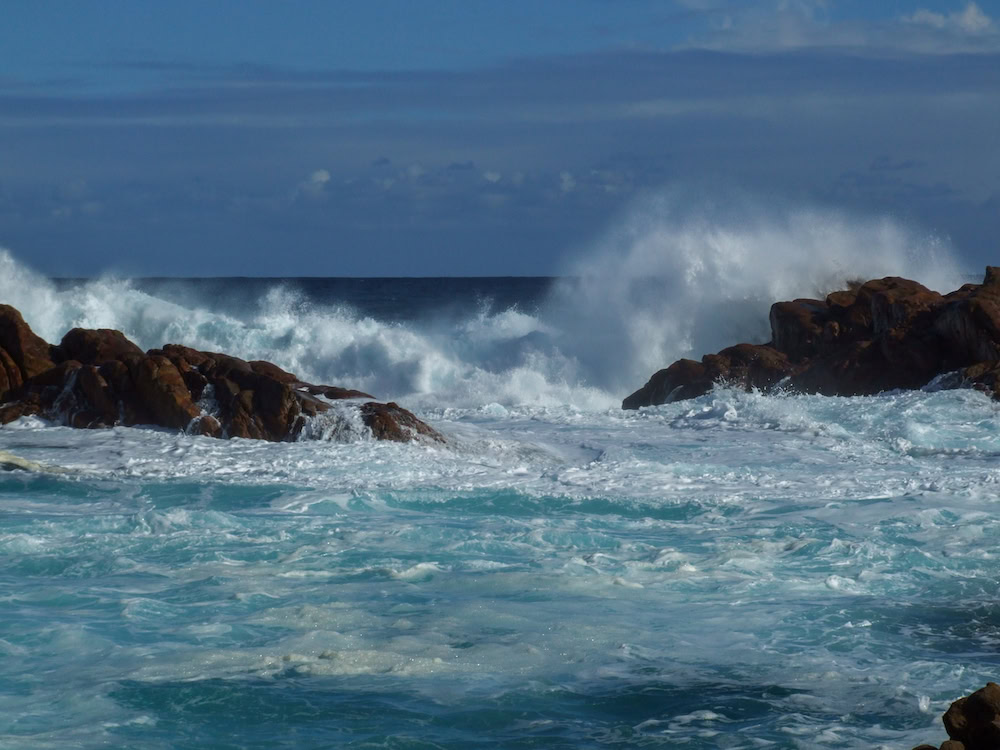
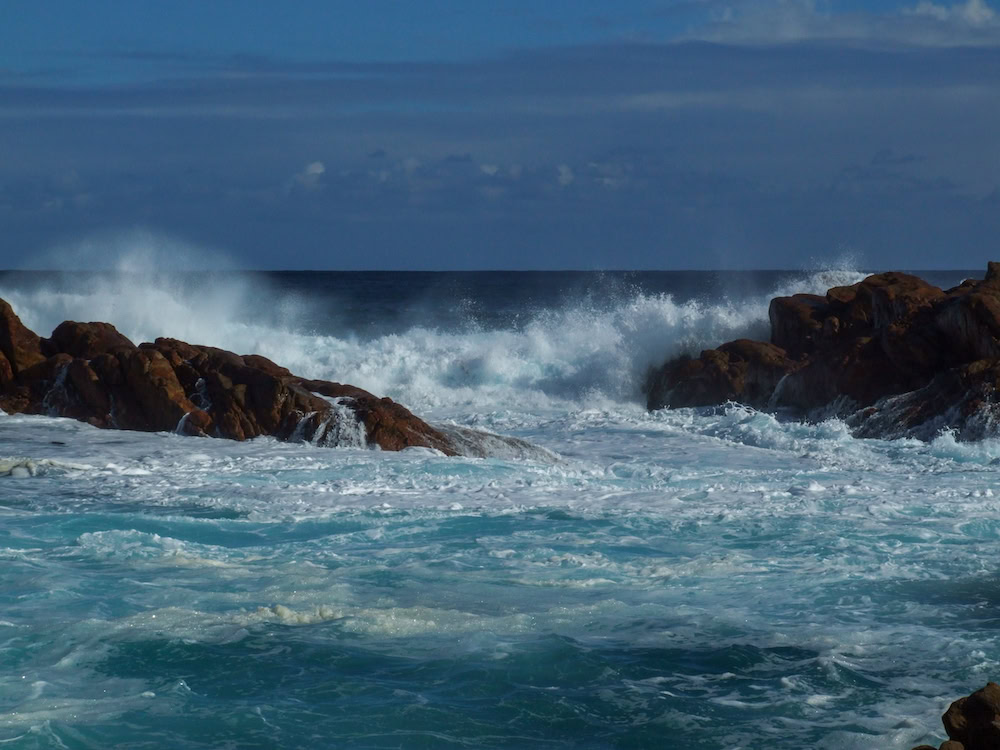
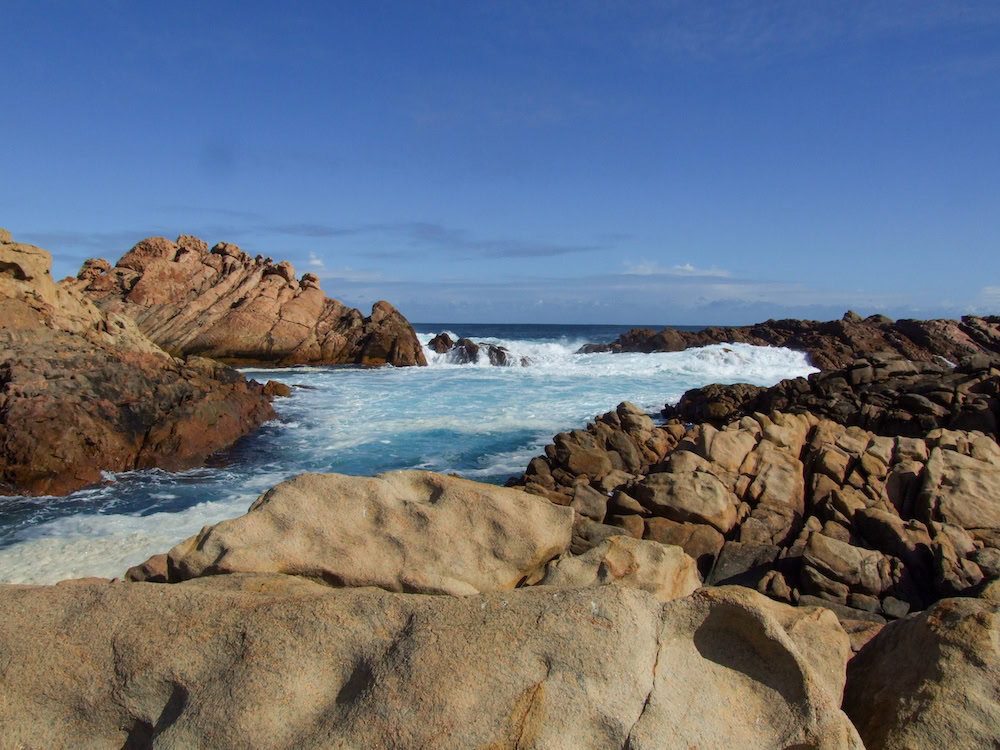
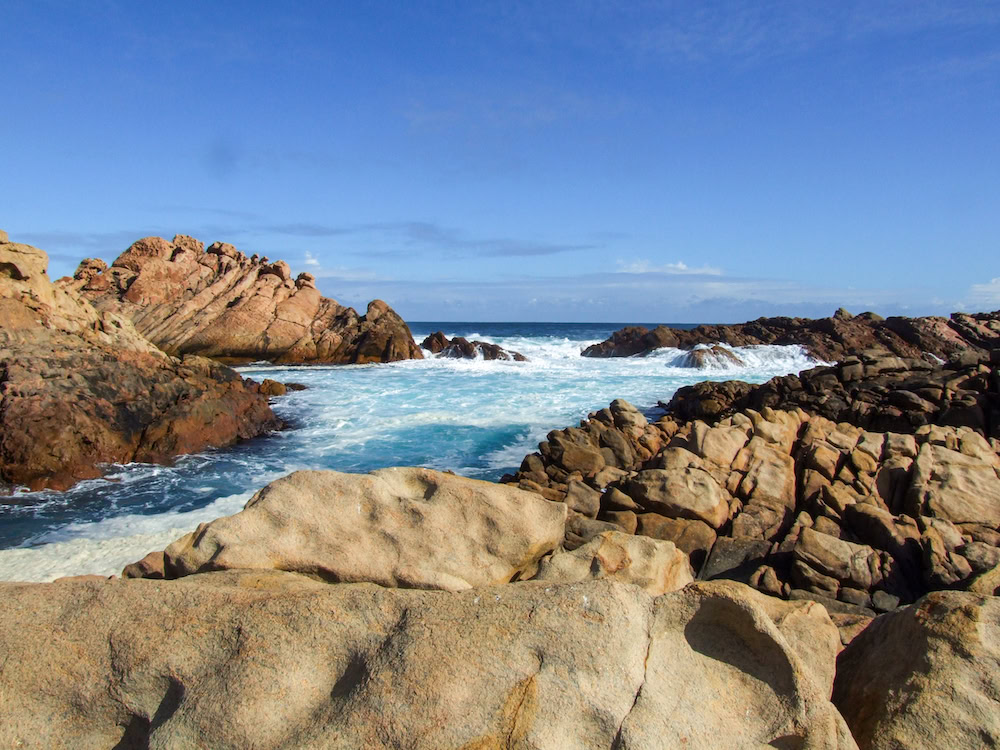
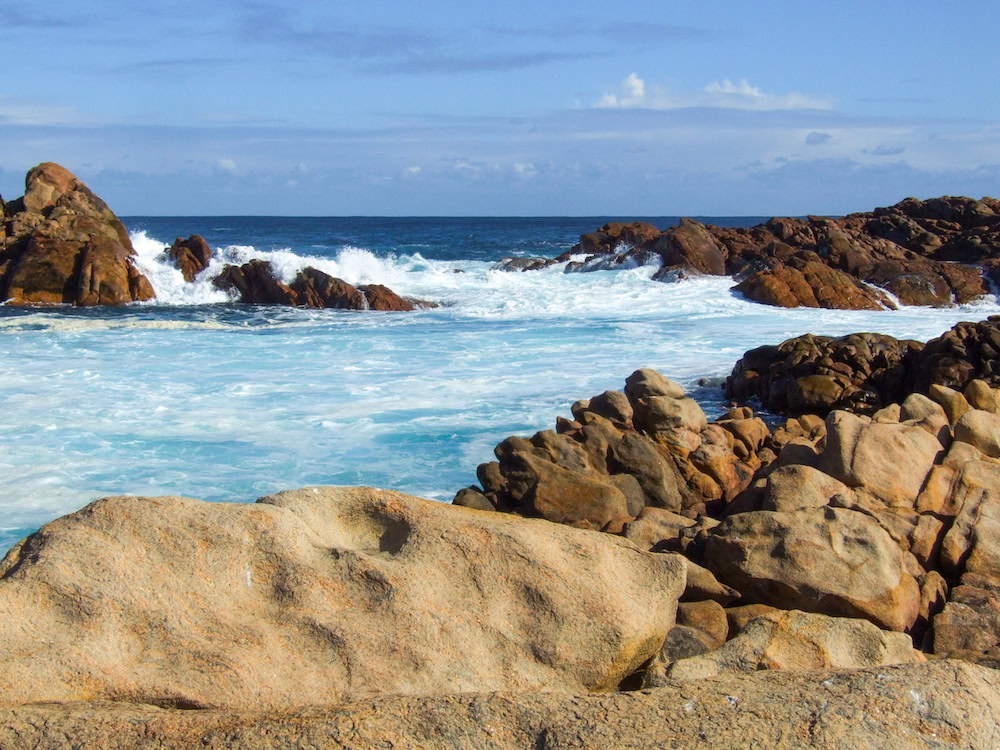
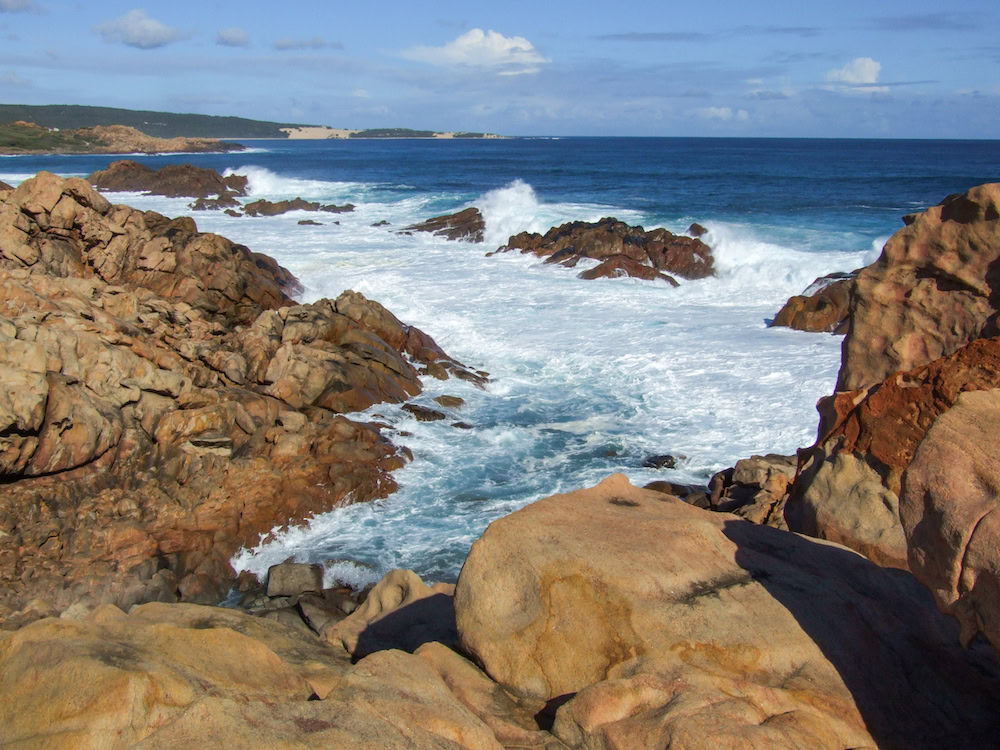
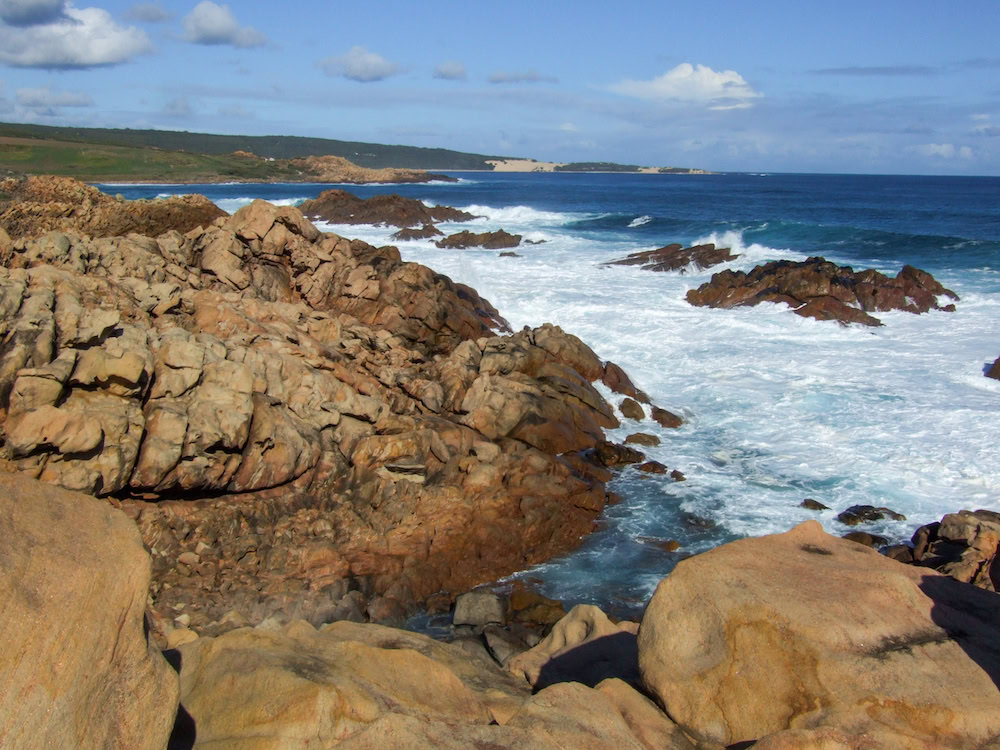
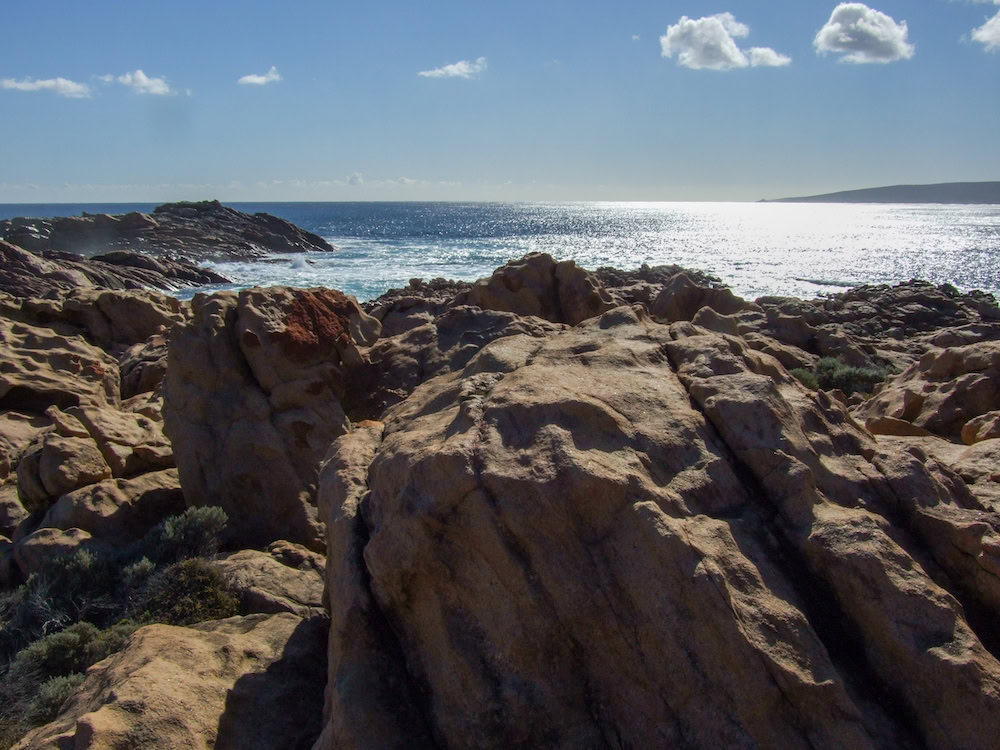
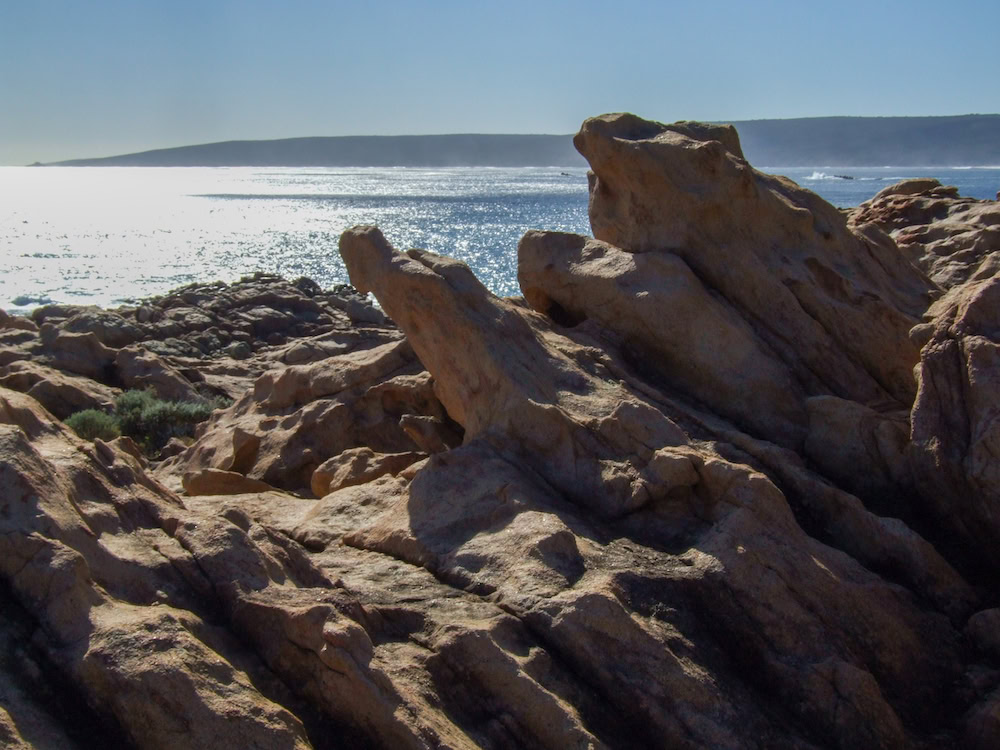
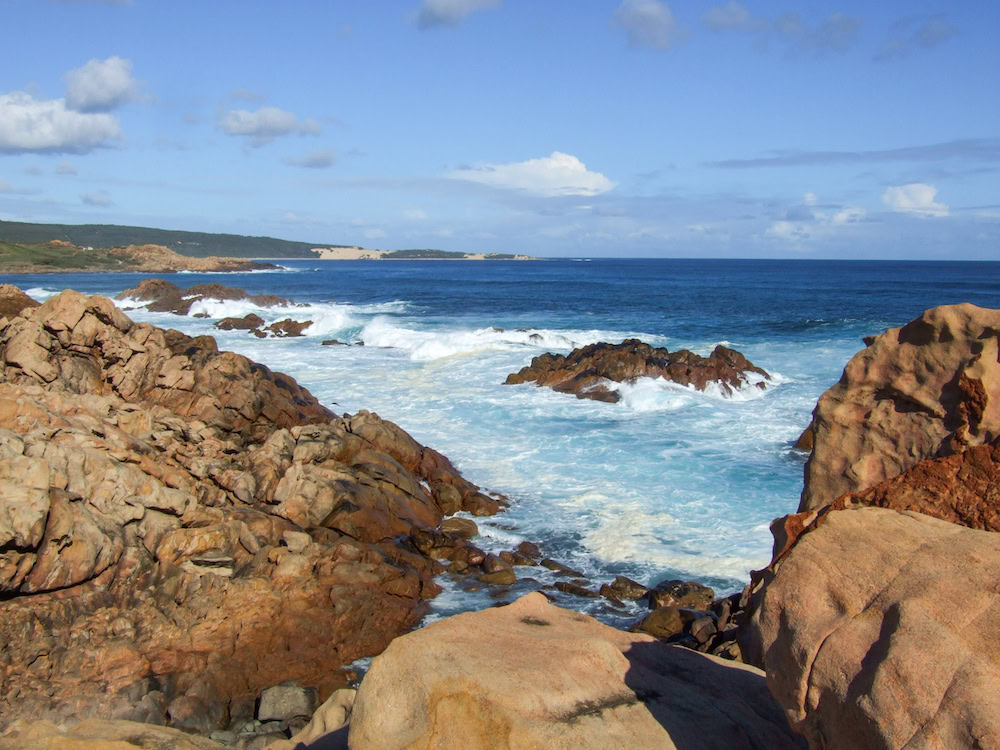
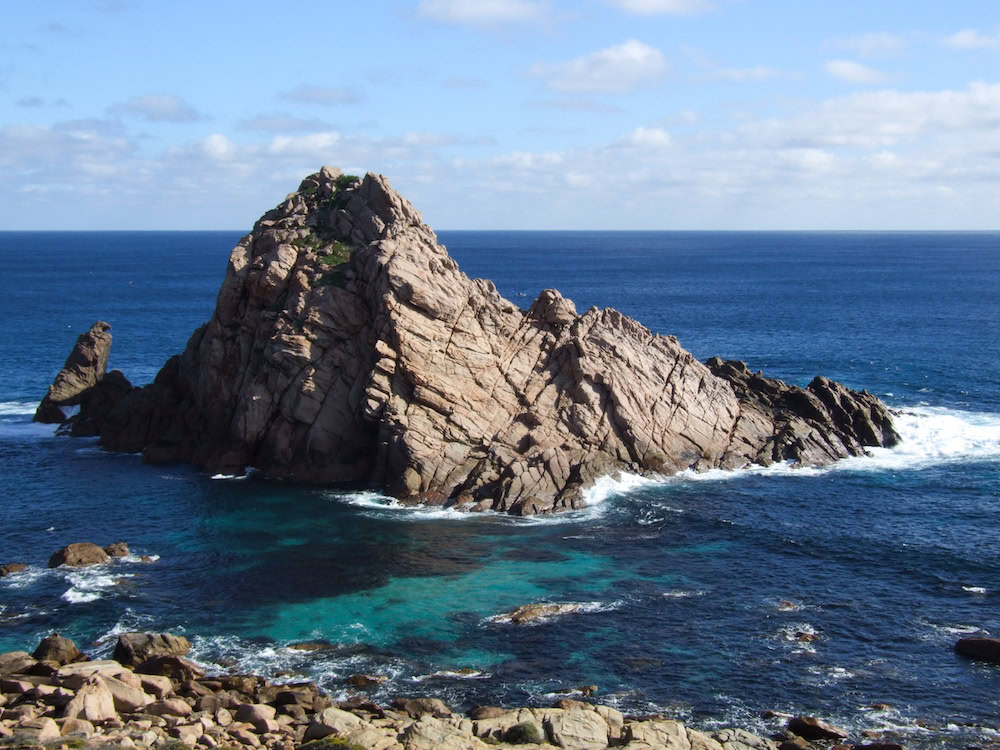
July 2007 - Bunker Bay and Sugarloaf Rock (Western Australia)
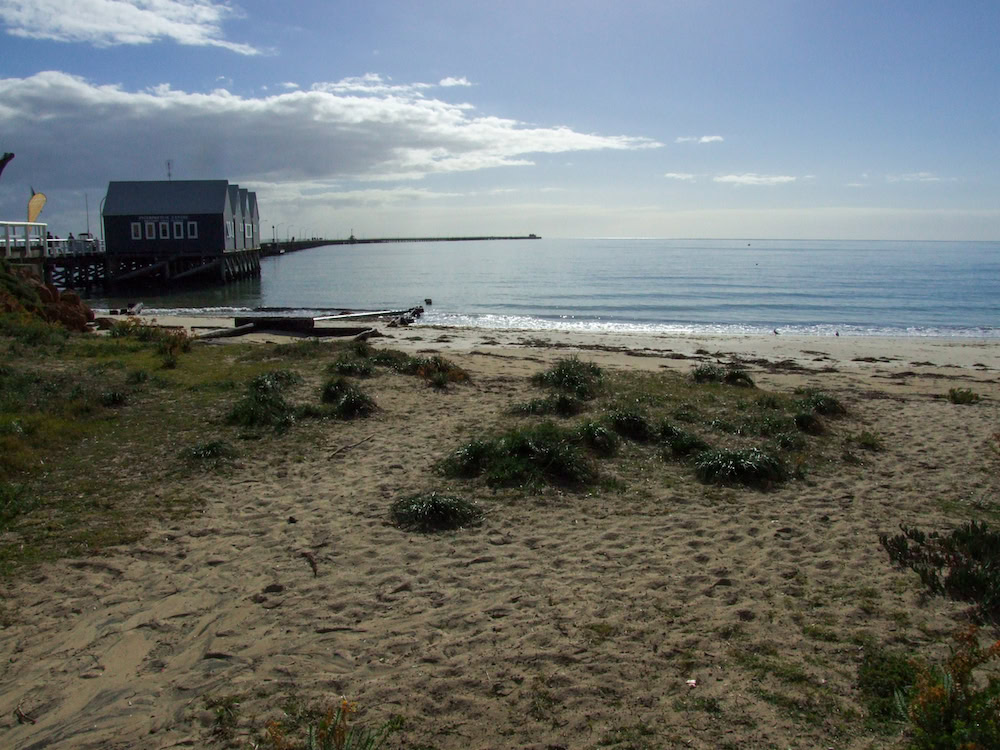
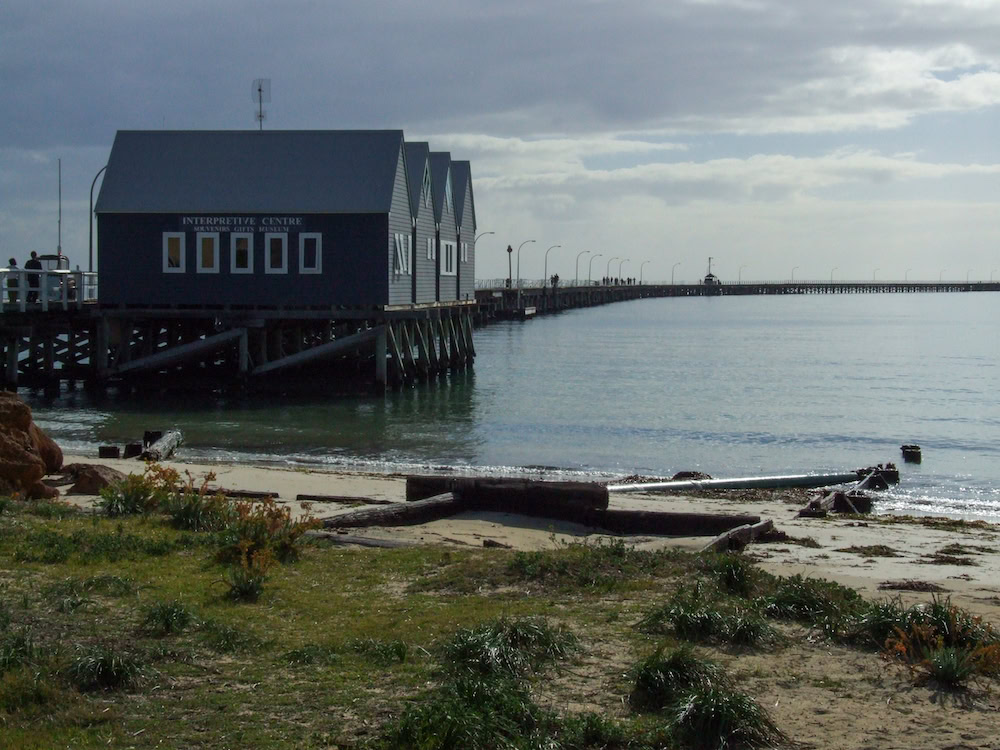
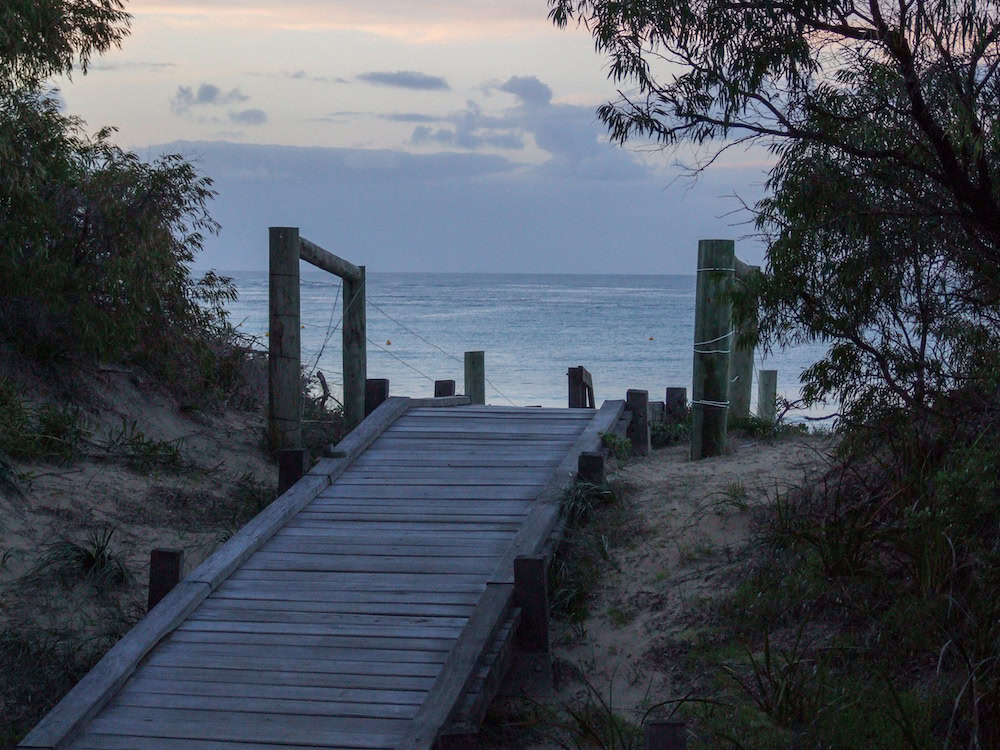
Bunker Bay is the Indian Ocean in its gentler mood: a wide crescent of white sand curving between limestone headlands, the water improbably clear, shifting from turquoise in the shallows to deep sapphire over the reef. The waves roll in soft and steady, and the bay's sheltered sweep makes it feel almost tame, though the ocean beyond the headland is a different creature entirely.
Around the point, Sugarloaf Rock shows that creature's teeth: a great granite outcrop rising sheer from the sea, pounded by swell that explodes into spray around its base. It stands alone, wind-scoured and salt-bleached, home to nesting terns and a magnet for anyone pointing a camera at the coast. Between the two lies the essence of this coast: water that can be calm as glass one moment and thunderous the next, against rock that has stood up to it for millions of years.
Google Maps


















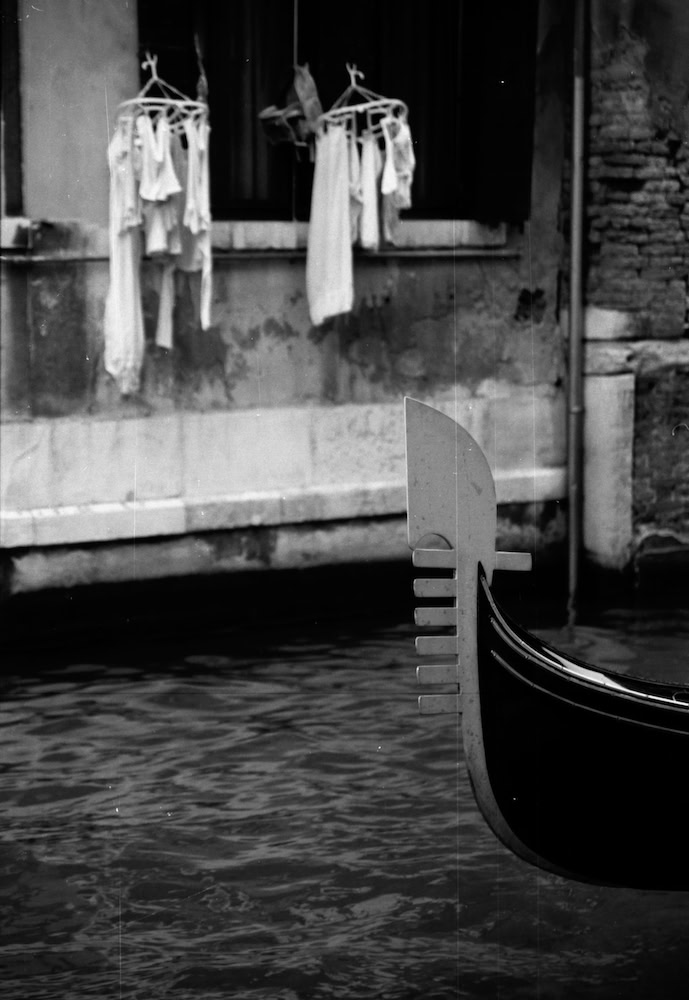
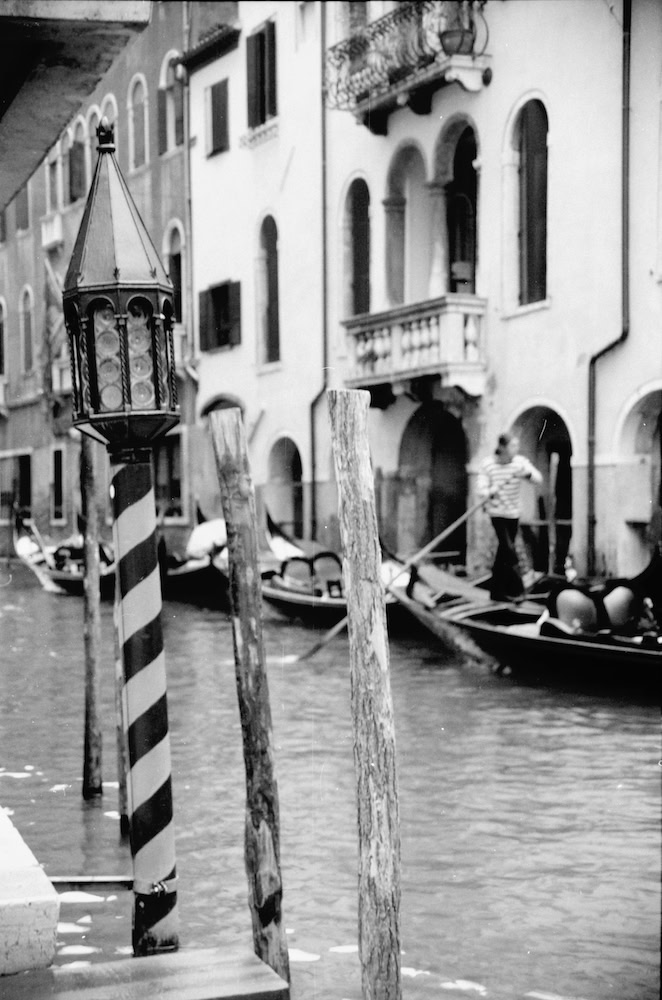
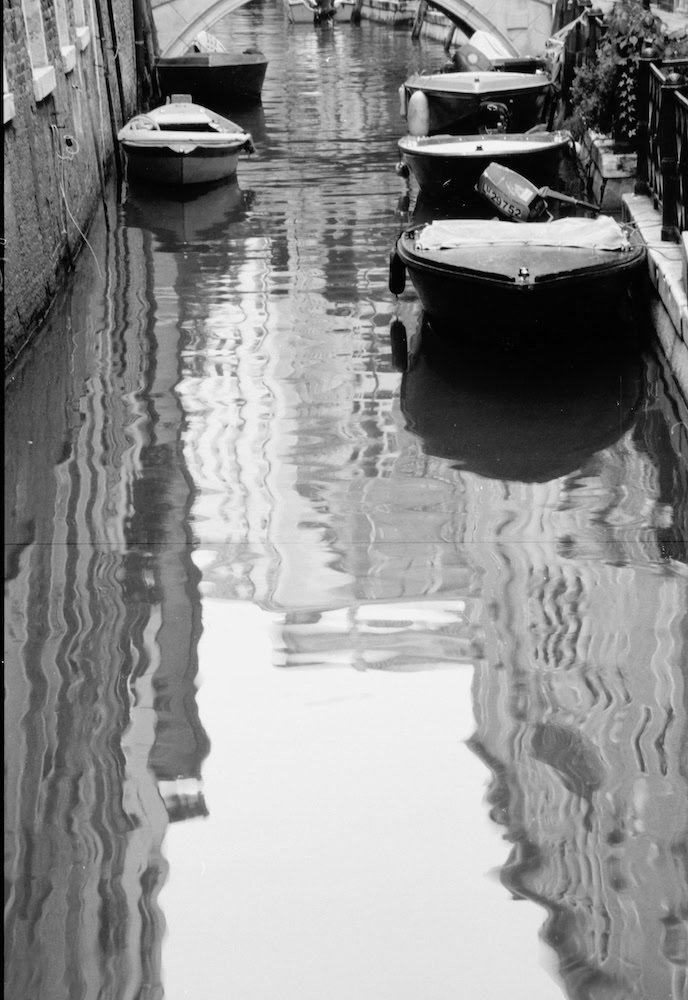
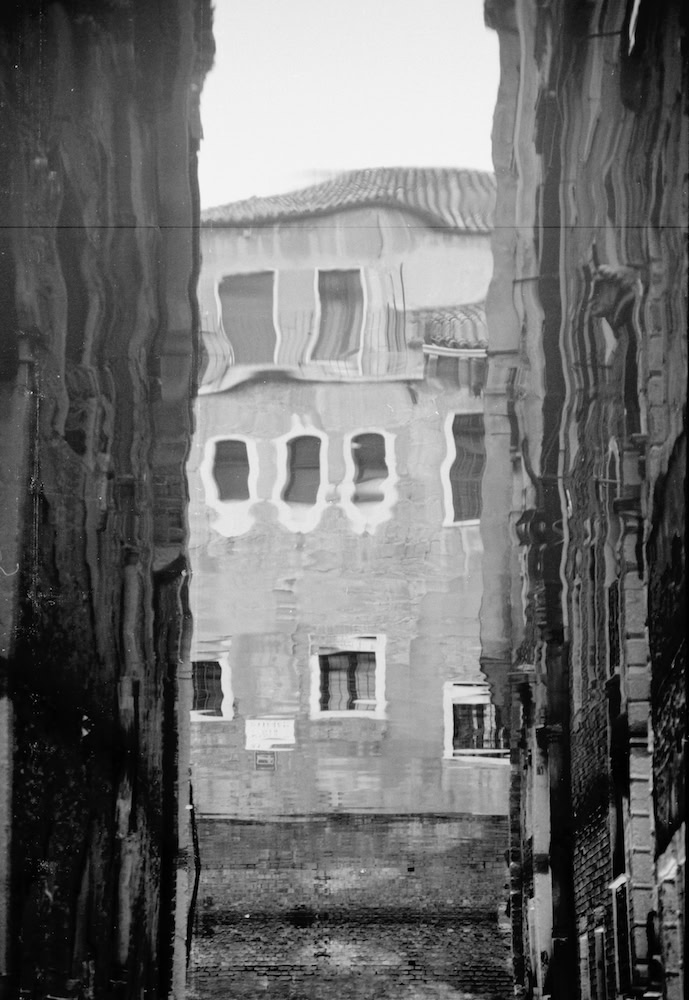
Ottobre 2005 - Impressioni di Venezia in bianco & nero…
Venezia, ottobre 2005. In bianco e nero, la città sembra spogliarsi della sua bellezza più celebrata per rivelare un volto più intimo, silenzioso e malinconico. Le calli deserte, i muri corrosi dal tempo, le barche ormeggiate lungo i canali e le facciate riflesse nell'acqua compongono un paesaggio sospeso, nel quale ogni cosa sembra custodire la traccia di un'assenza. L'acqua, inquieta e deformante, restituisce un'immagine fragile e mutevole della città, come se anche le sue architetture, così antiche e imponenti, fossero destinate a dissolversi lentamente nel tempo.
In queste immagini Venezia non è tanto una città da contemplare, quanto un luogo da attraversare in silenzio, lasciandosi guidare dalle sue ombre e dalle sue solitudini. Le presenze umane sono rare, spesso distanti, quasi estranee alla scena; le gondole riposano sull'acqua, i passaggi si perdono fra edifici consumati e i campielli sembrano trattenere l'eco di una vita trascorsa. Ne emerge una Venezia intima e appartata, lontana dalla sua immagine festosa e monumentale: una città che non si offre allo sguardo, ma si lascia intuire, rivelando per frammenti la propria bellezza inquieta e il proprio silenzioso senso del tempo.
Google Maps









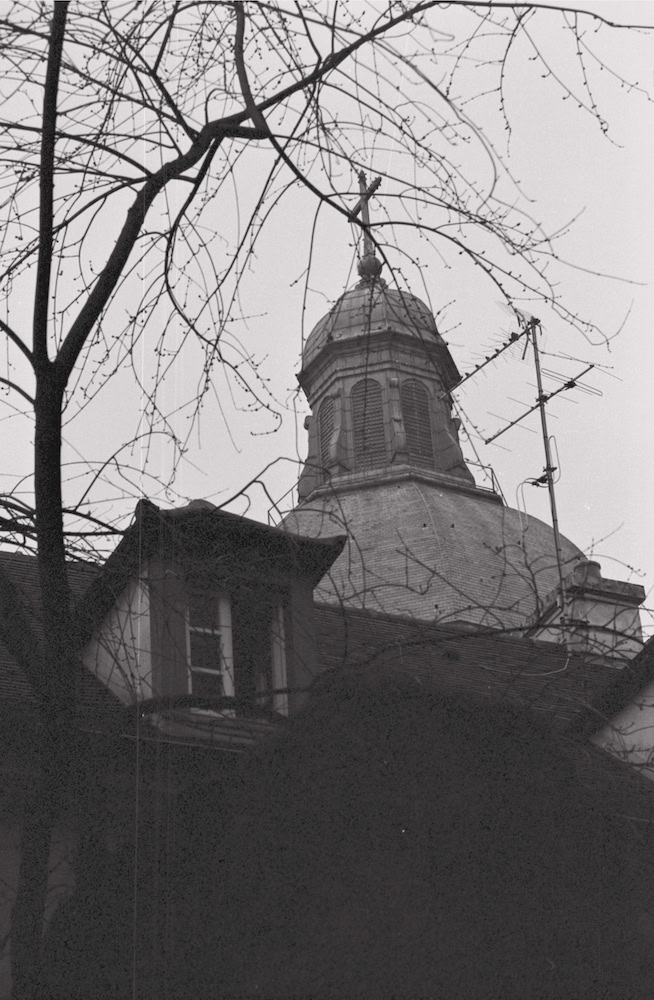
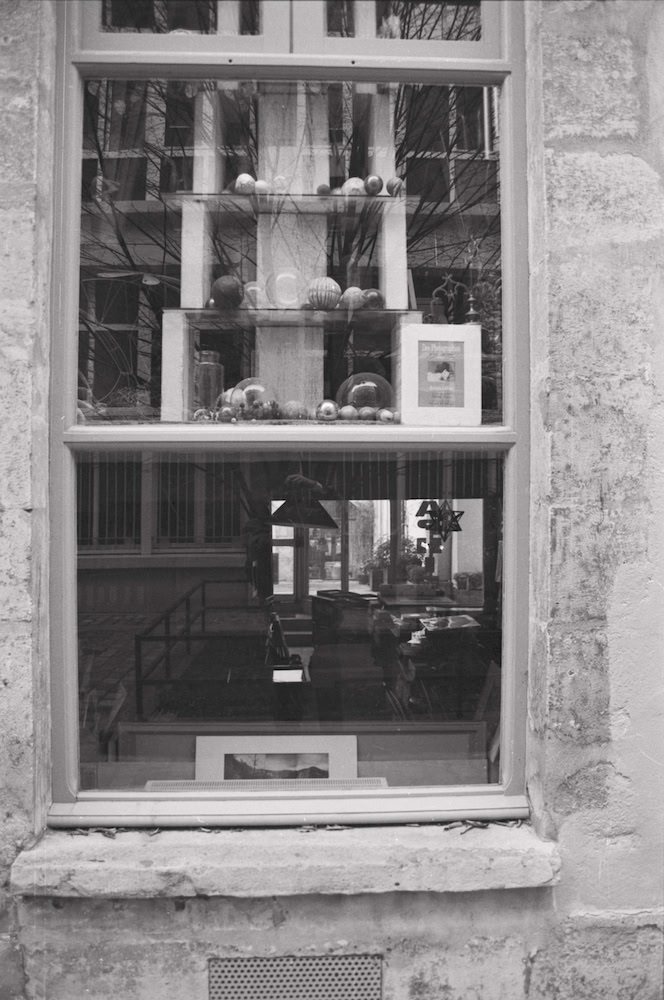
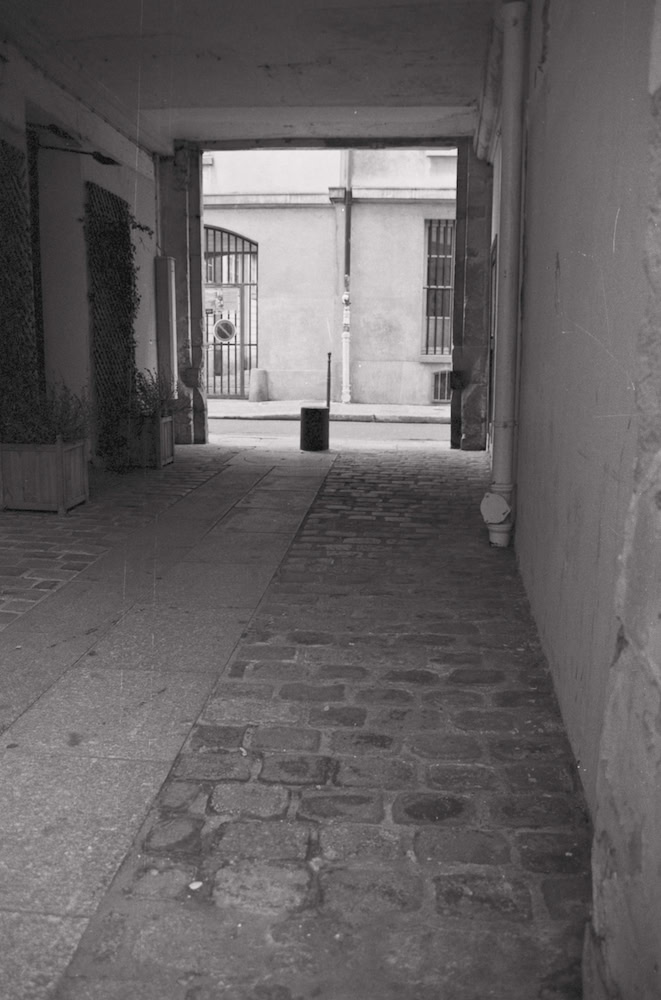
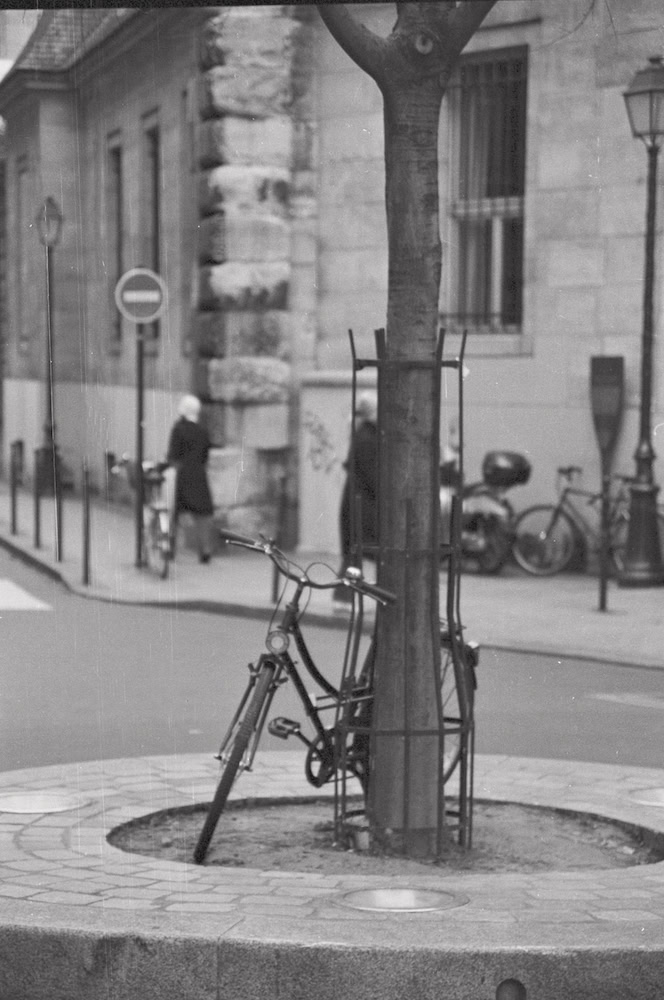
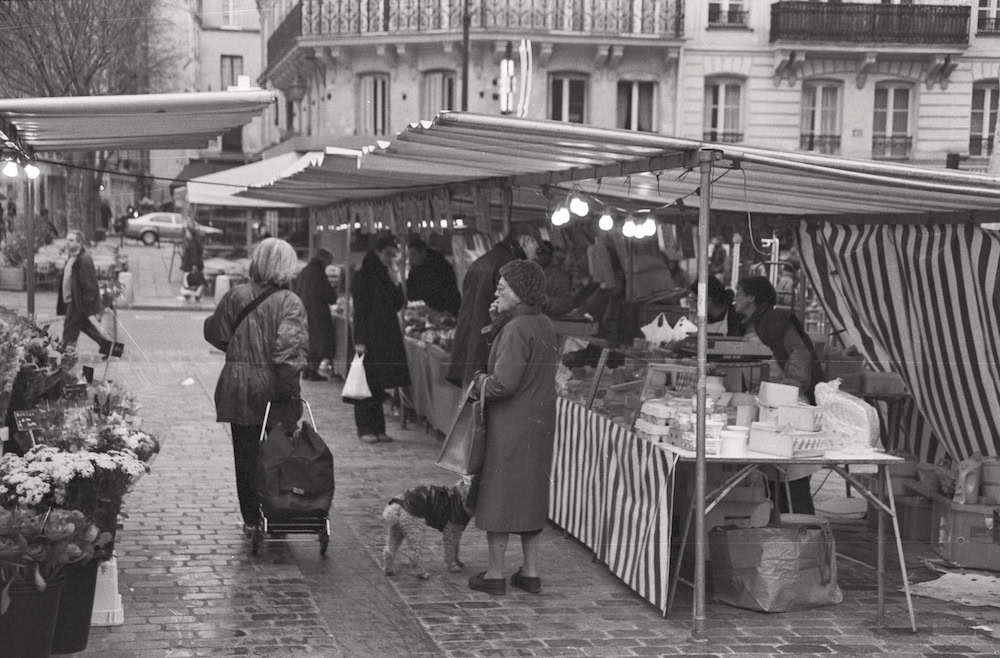
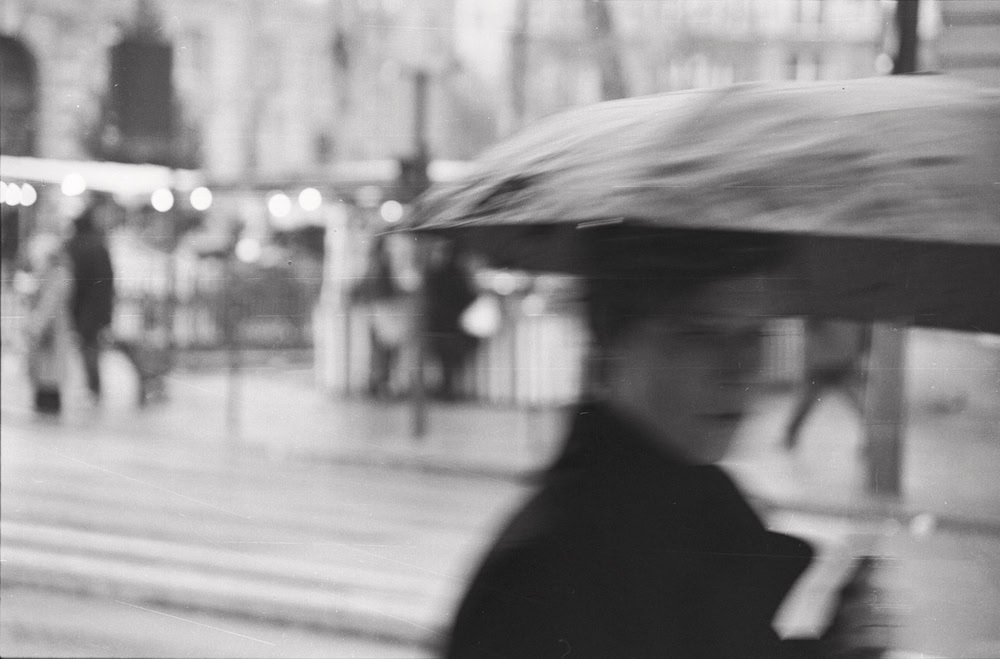
Janvier 2004 - Un après-midi d’hiver au Marais - La mélancolie de Paris en hiver
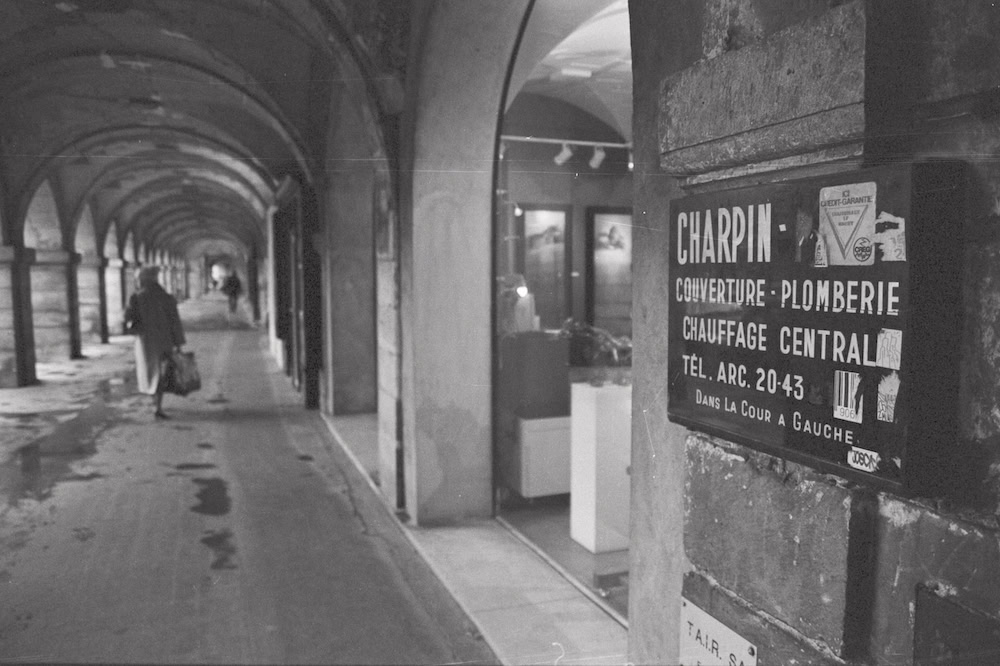
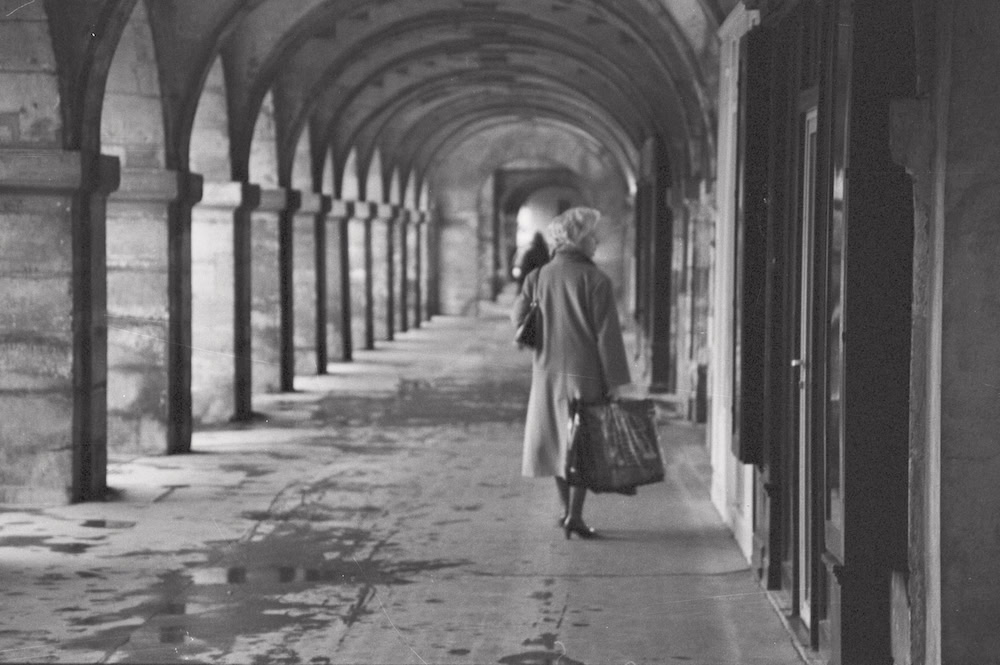
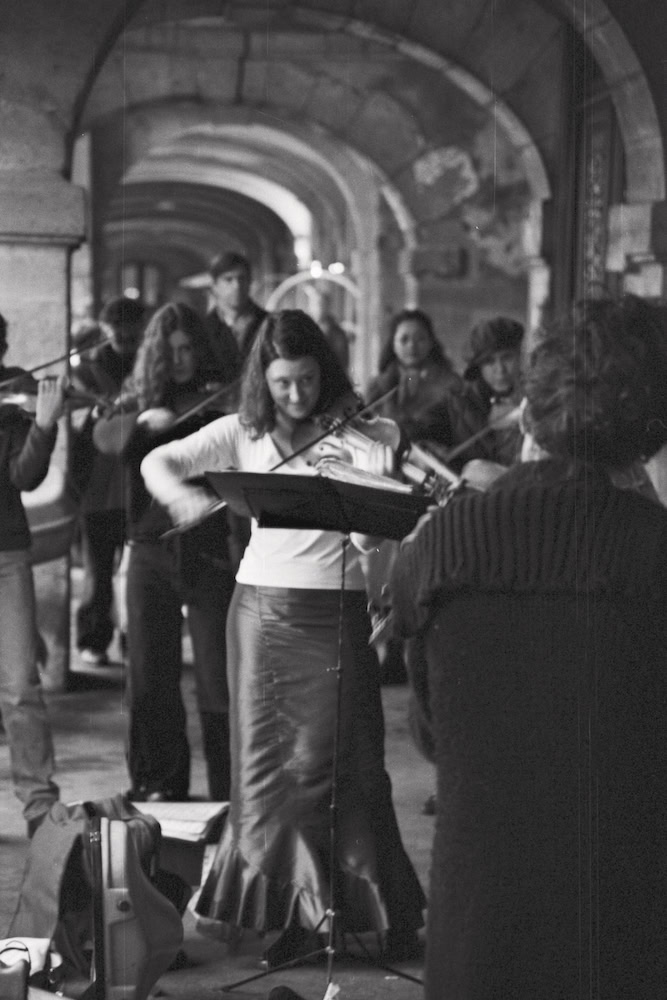
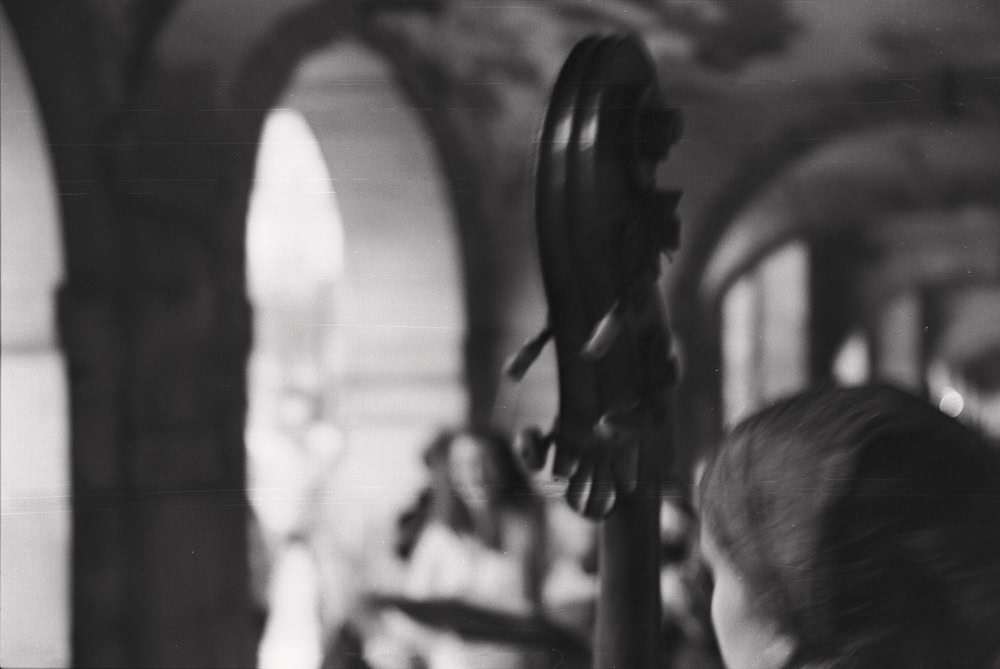
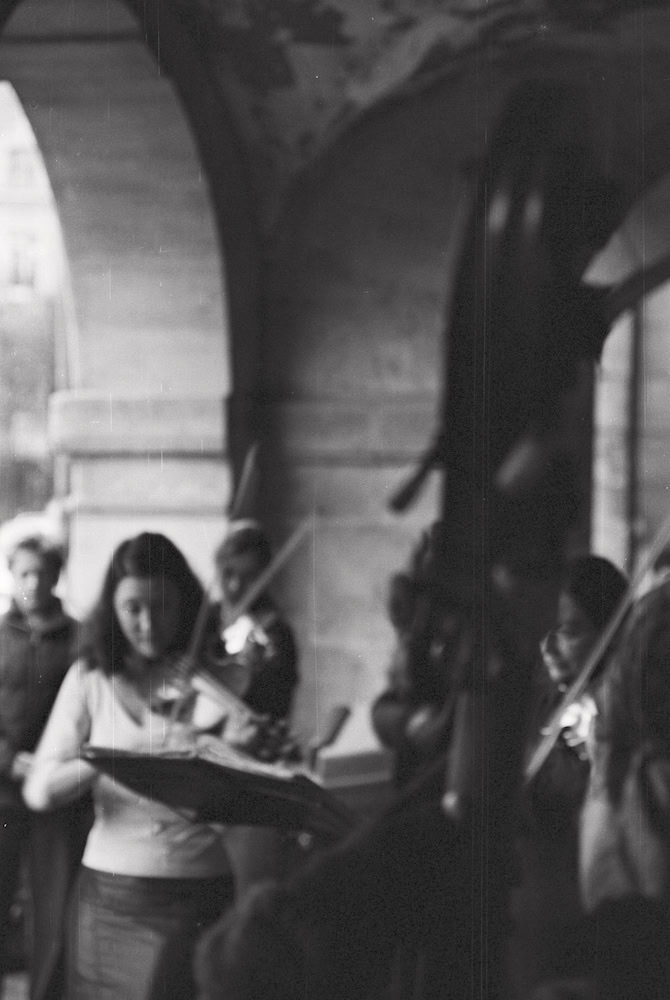
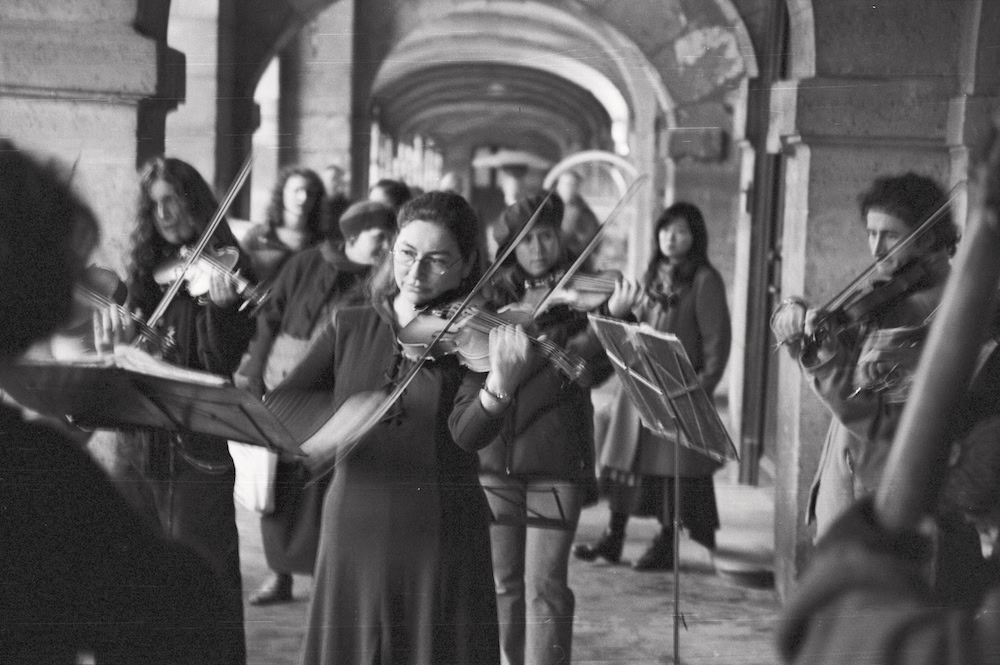
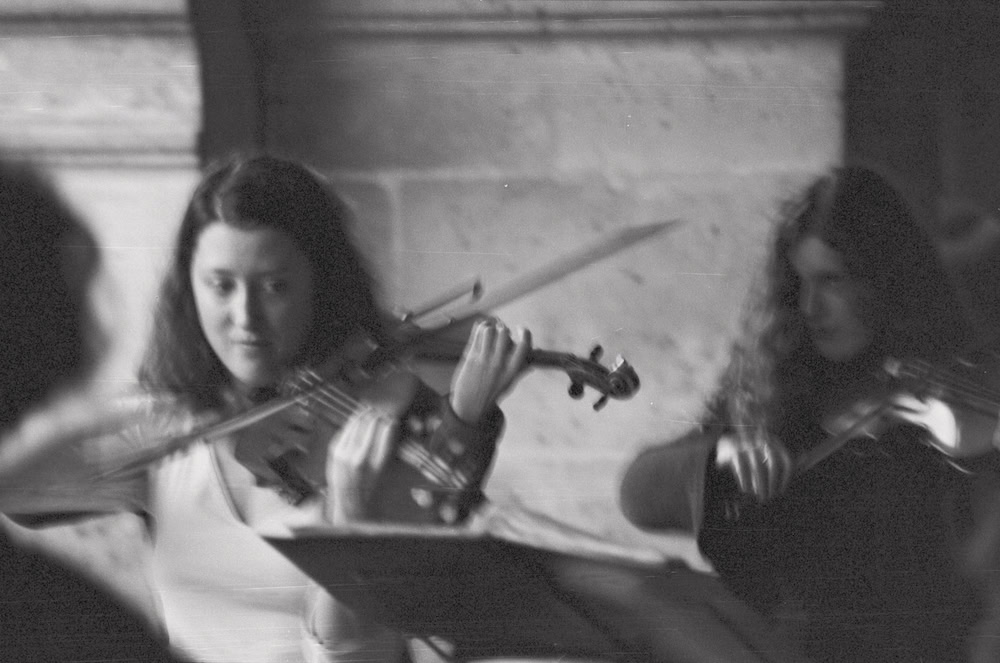
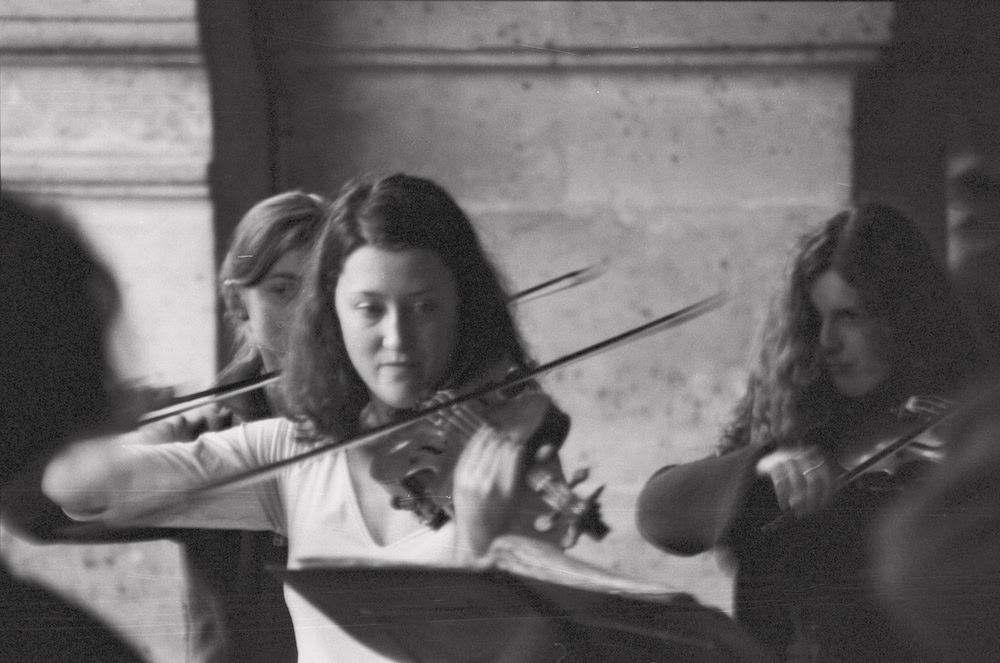
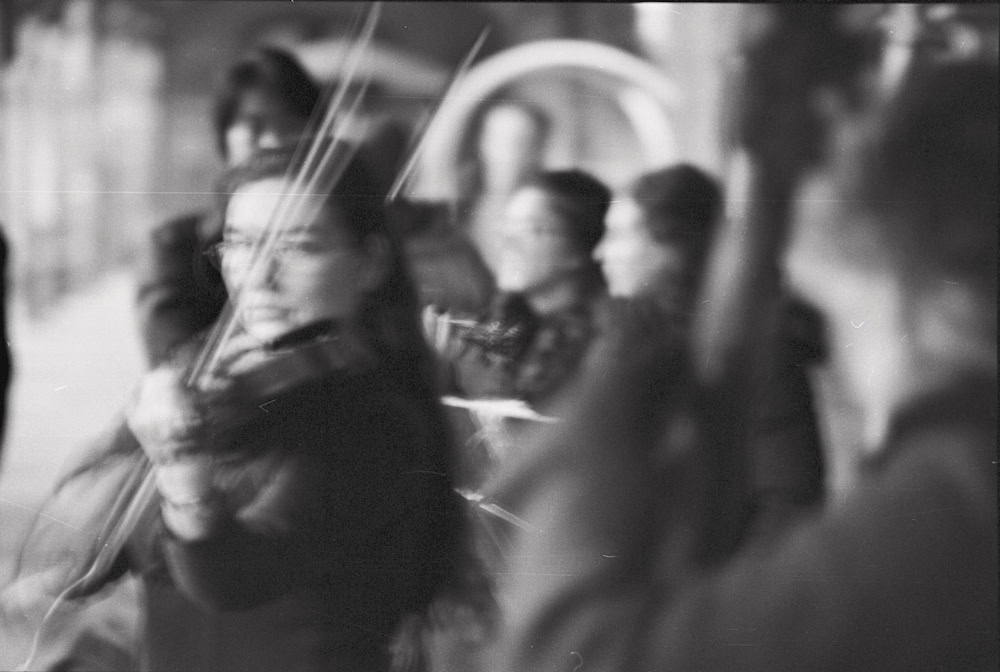
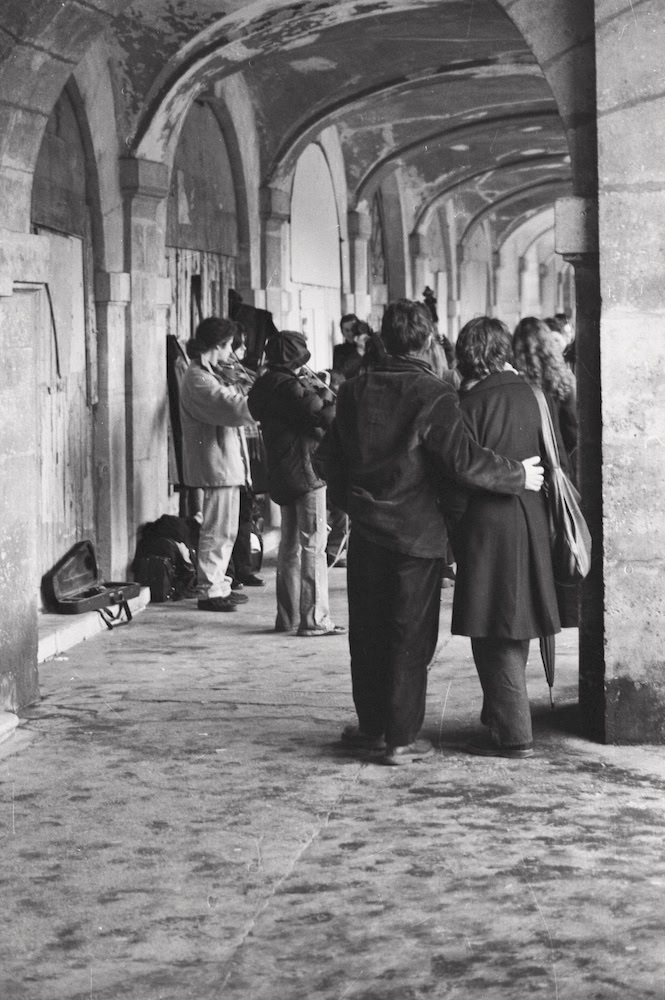
Sous les arcades anciennes de la place des Vosges, l’hiver enveloppe Paris d’un voile délicat. La lumière est pâle, la pierre assombrie par le temps, et la ville semble se retirer dans un monde plus silencieux, plus contemplatif.
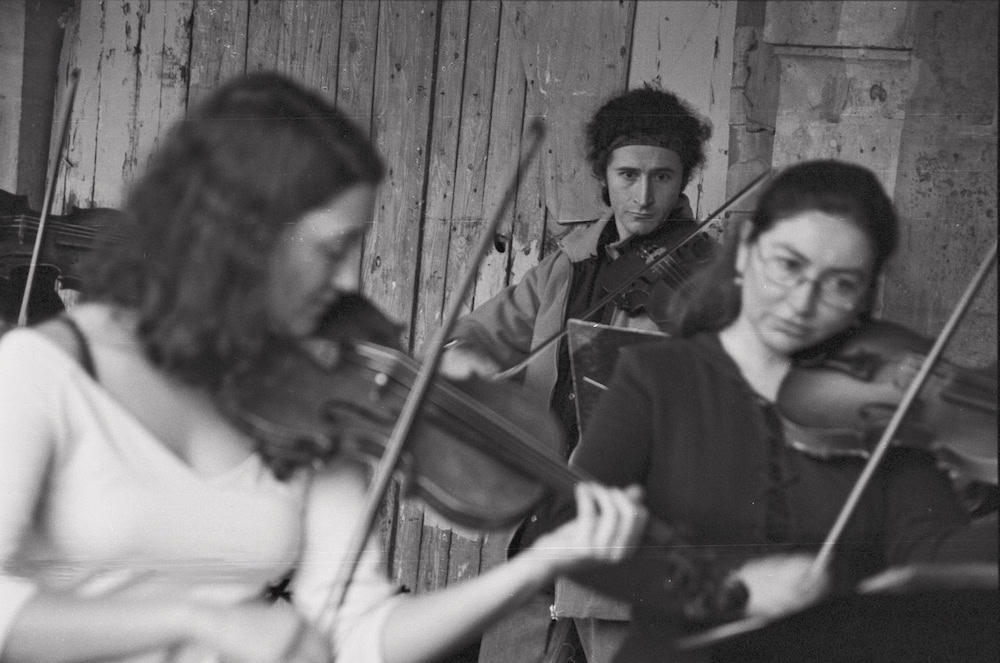
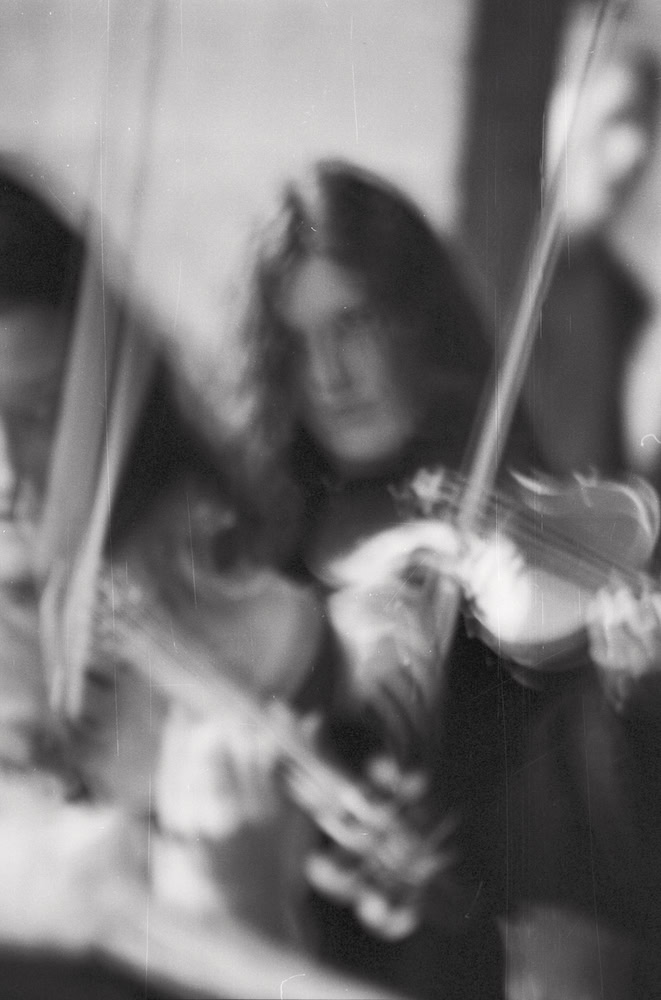
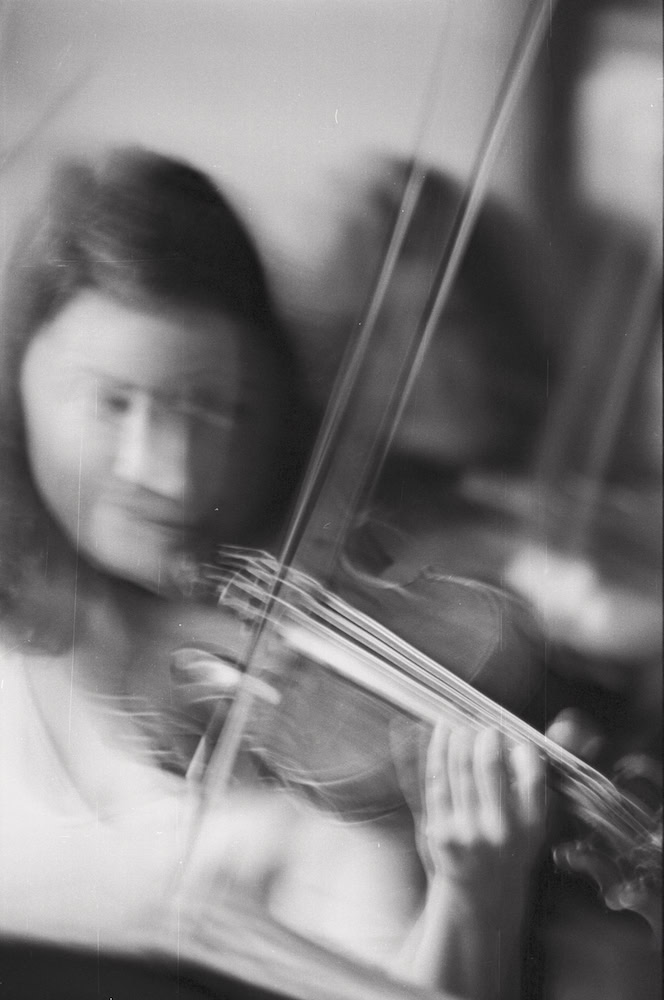
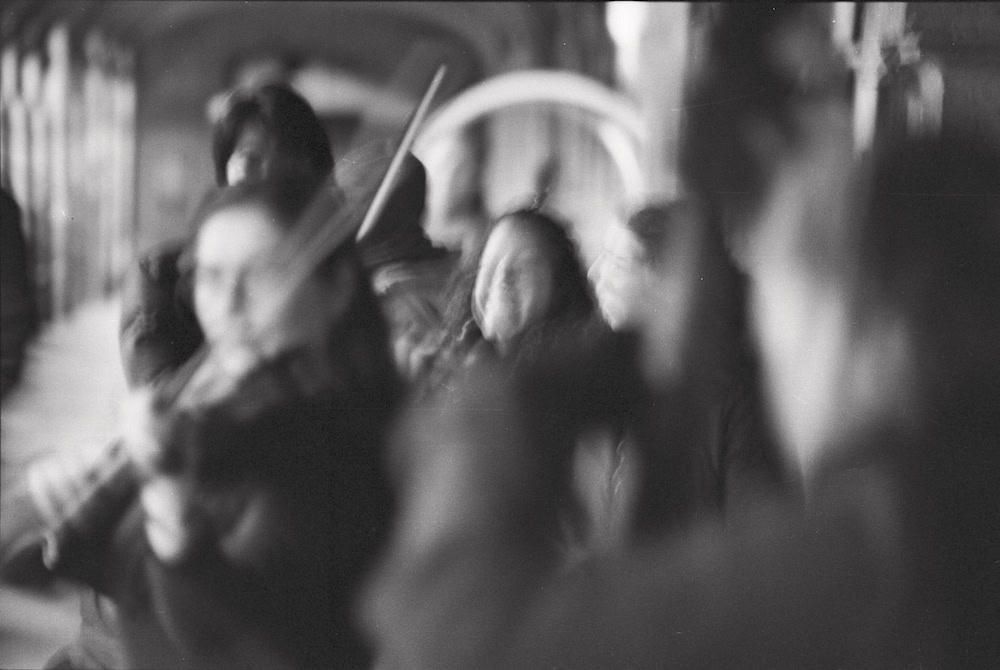
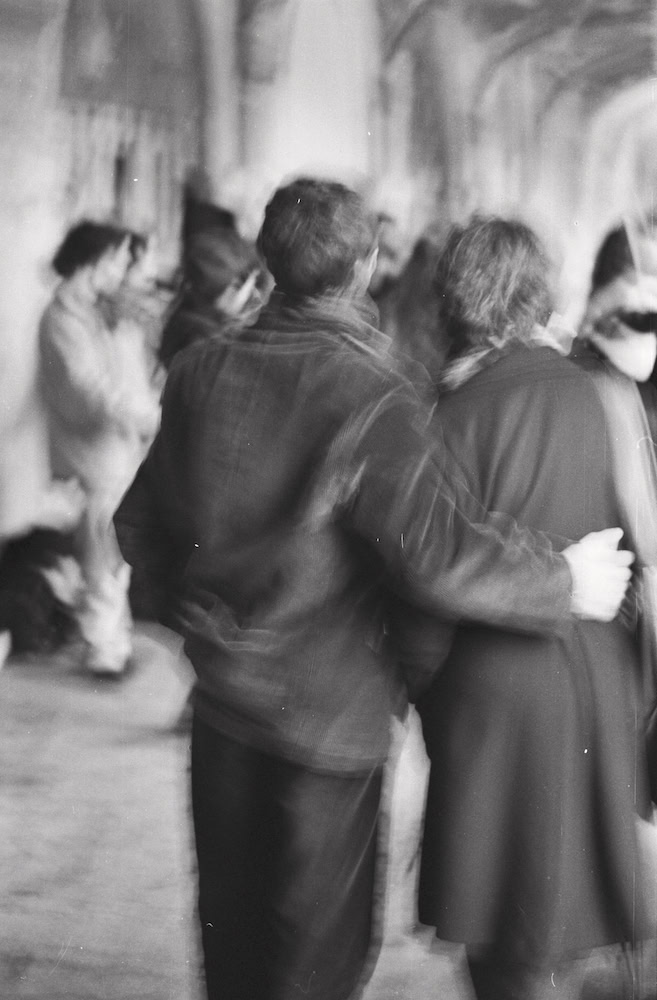
Les accents de la musique classique romantique s’élèvent sous les colonnades, se mêlant au murmure des pas et au mouvement indistinct des passants. Une mélodie de violon flotte dans l’air froid, tendre et mélancolique, comme un écho venu d’un autre temps. Elle confère à la vieille place une atmosphère singulière, transformant sa beauté familière en quelque chose de plus fragile, de plus insaisissable.
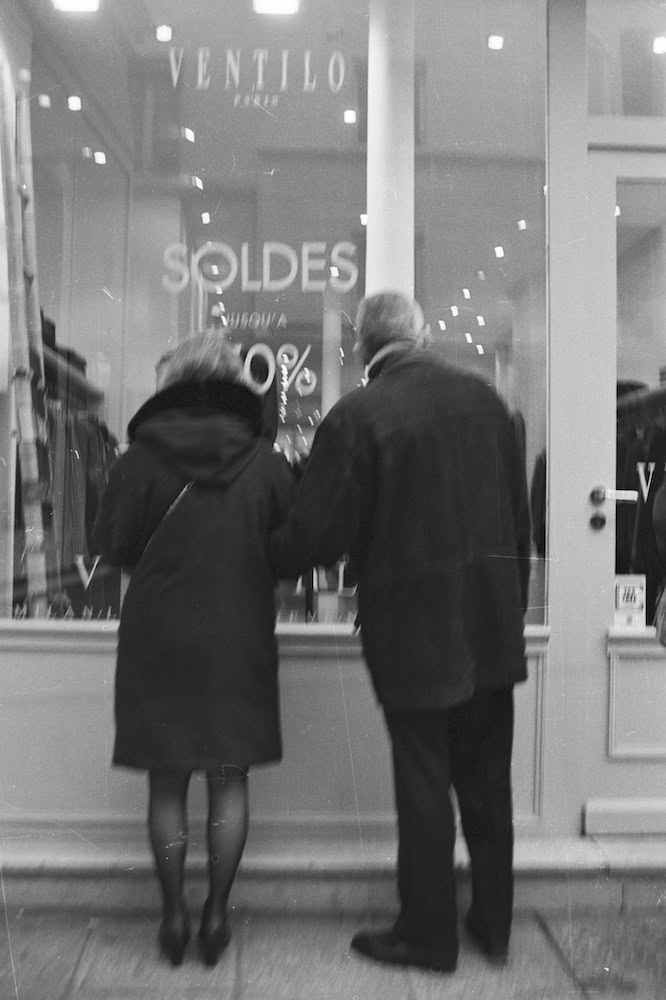
Les passants traversent ce décor intemporel, absorbés dans leurs pensées. Les visages apparaissent puis s’effacent, les gestes se suspendent un instant, et des inconnus partagent brièvement un même espace avant de se perdre à nouveau dans la ville. Un couple marche enlacé, un bras posé sur une épaule, trouvant sa chaleur dans celle de l’autre sous les arcades patinées par les siècles. L’espace d’un instant, leur intimité silencieuse semble appartenir à la musique elle-même — une note fugitive de tendresse dans le cours du temps.
Il y a quelque chose de profondément émouvant dans cette rencontre entre un lieu et une mélodie. L’architecture demeure, portant les traces des siècles, tandis que les vies qui se déploient sous ses arches restent éphémères et mystérieuses. La musique semble jeter un pont entre les deux, donnant voix à ce qui échappe au regard : les souvenirs enfouis dans les vieilles rues, la solitude des inconnus, la conscience douce-amère que toute beauté porte en elle la promesse de sa disparition.
Ainsi, dans la lumière feutrée de l’hiver, Paris devient moins une ville à découvrir qu’une émotion à éprouver. Un lieu où la musique semble s’élever des pierres elles-mêmes, où le romantisme persiste dans les gestes les plus simples, et où la mélancolie n’est pas seulement une tristesse, mais le désir silencieux de retenir quelque chose de beau qui déjà nous échappe.




















Dicembre 2003 - Maratea & dintorni
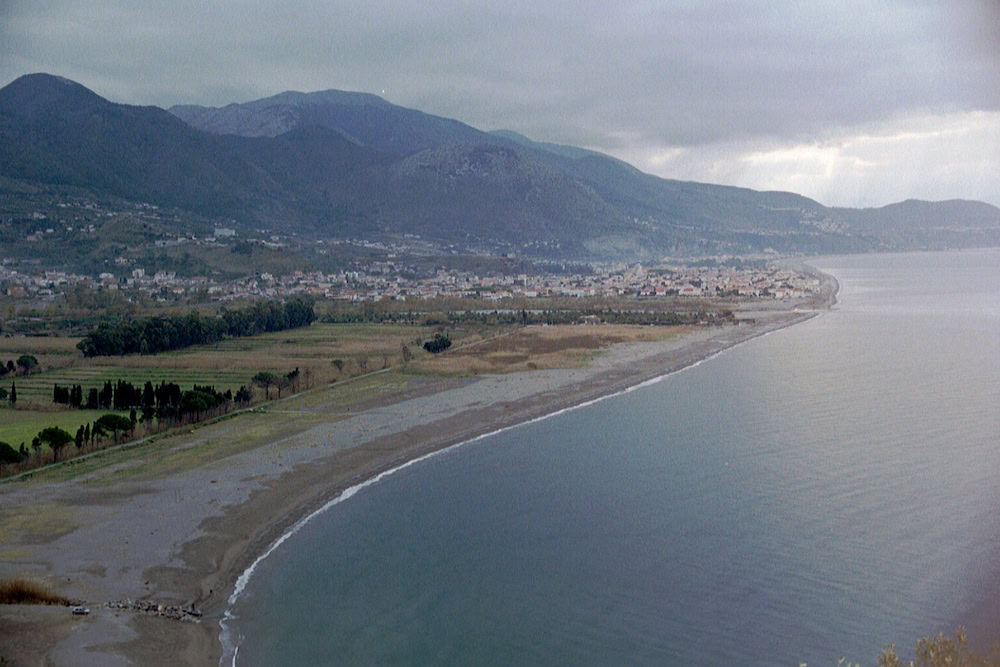
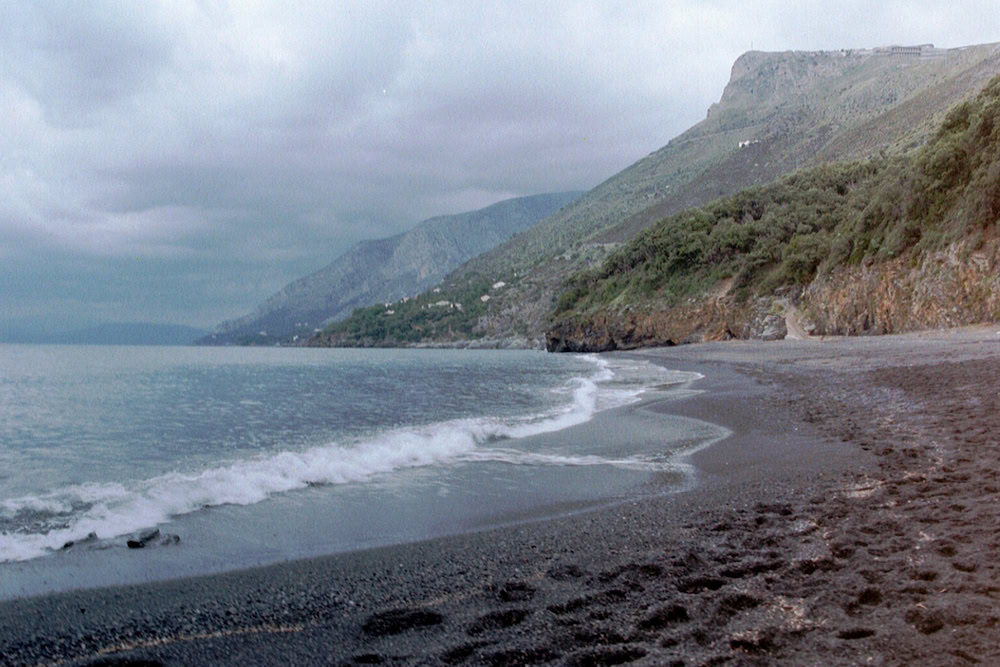
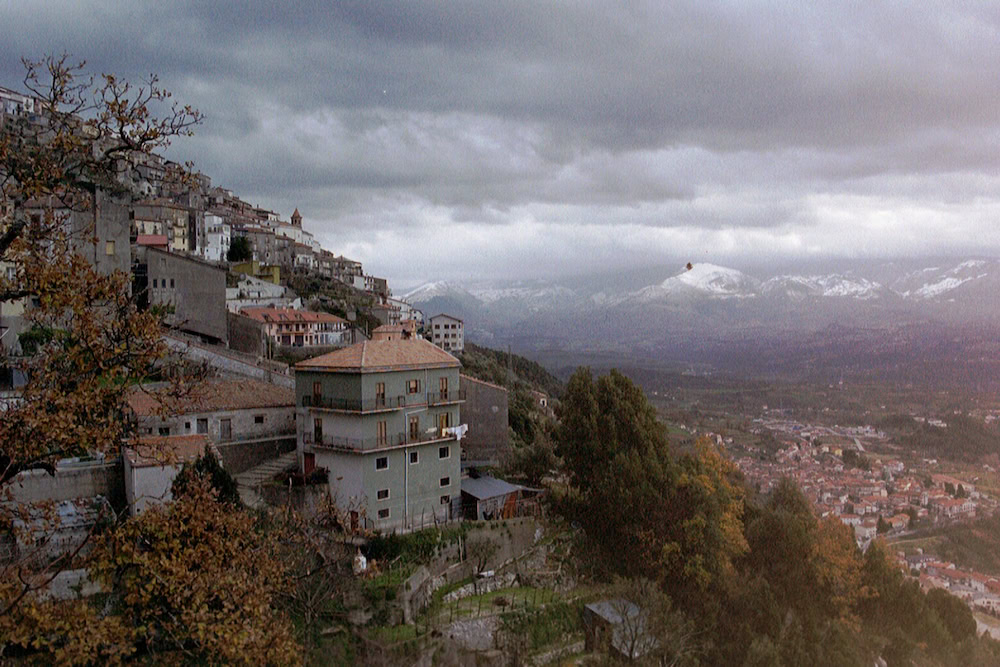
Intorno a Maratea, l'inverno restituisce al paesaggio una bellezza più discreta, lontana dalle cartoline estive. Il mare si fa silenzioso sotto cieli incerti, le spiagge si svuotano e le montagne sembrano custodire un tempo più antico. Qui, la natura non è soltanto uno spettacolo, ma parte di una storia fatta di fatica, isolamento e profondo attaccamento alla propria terra. I borghi di pietra, le strade tortuose e i vecchi edifici raccontano, senza parole, la vita di generazioni che hanno abitato questi luoghi difficili e meravigliosi, sospesi fra la severità delle montagne e l'apertura del mare.
D'inverno, quando le voci si fanno più rare e il paesaggio sembra fermarsi, emergono le tracce di un mondo che cambia, ma non scompare del tutto. Negli alberi contorti, nelle case antiche, nelle strade deserte e nelle strutture dimenticate sopravvive la memoria di vite comuni, di lavoro, partenze e ritorni. Il mare, immenso e indifferente, continua a osservare queste coste, testimone silenzioso del tempo che passa. Fotografare questi luoghi significa allora cercare il punto d'incontro fra la magnificenza della natura e la fragilità delle vicende umane: non raccontare la fine di un mondo, ma la sua persistenza silenziosa.








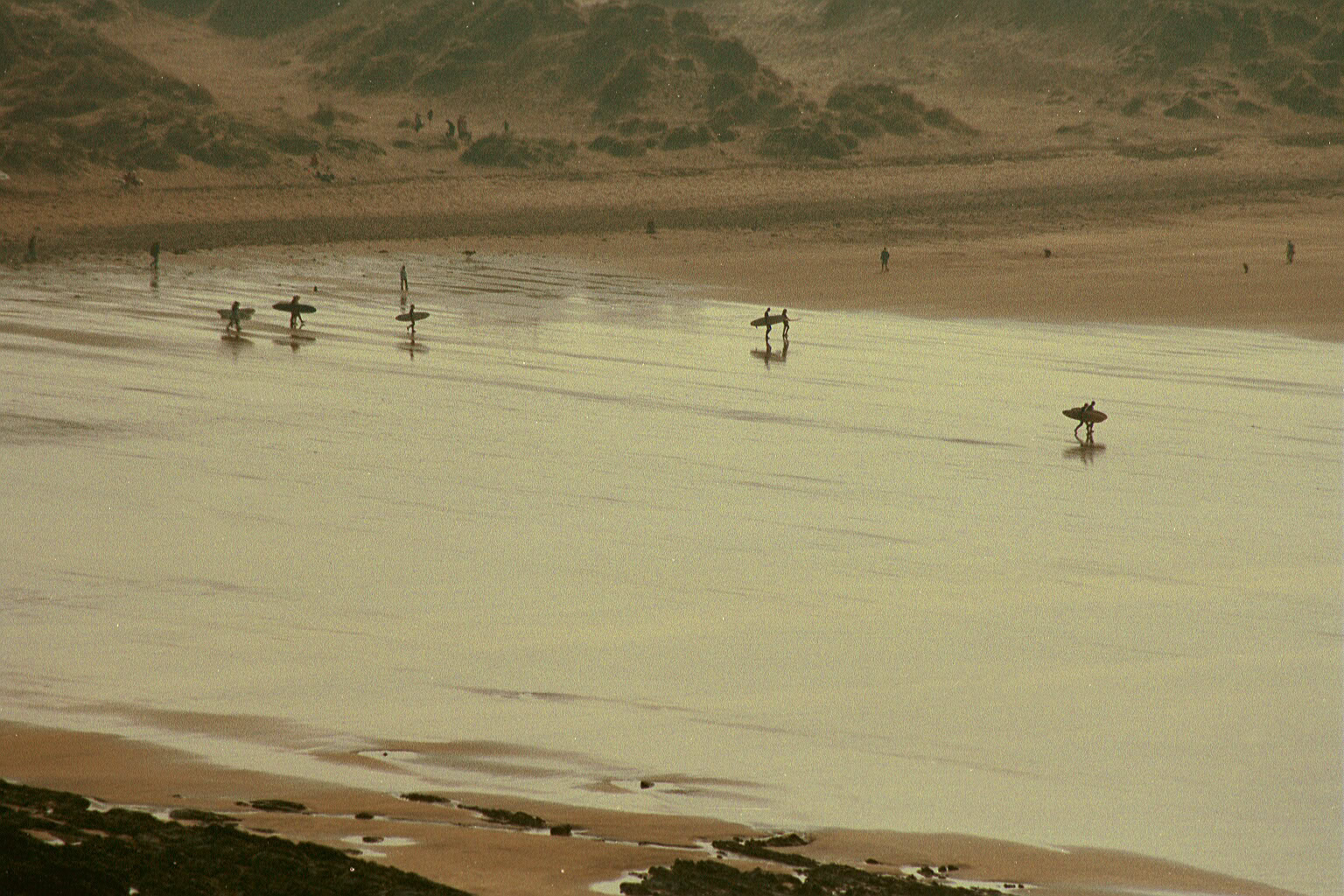
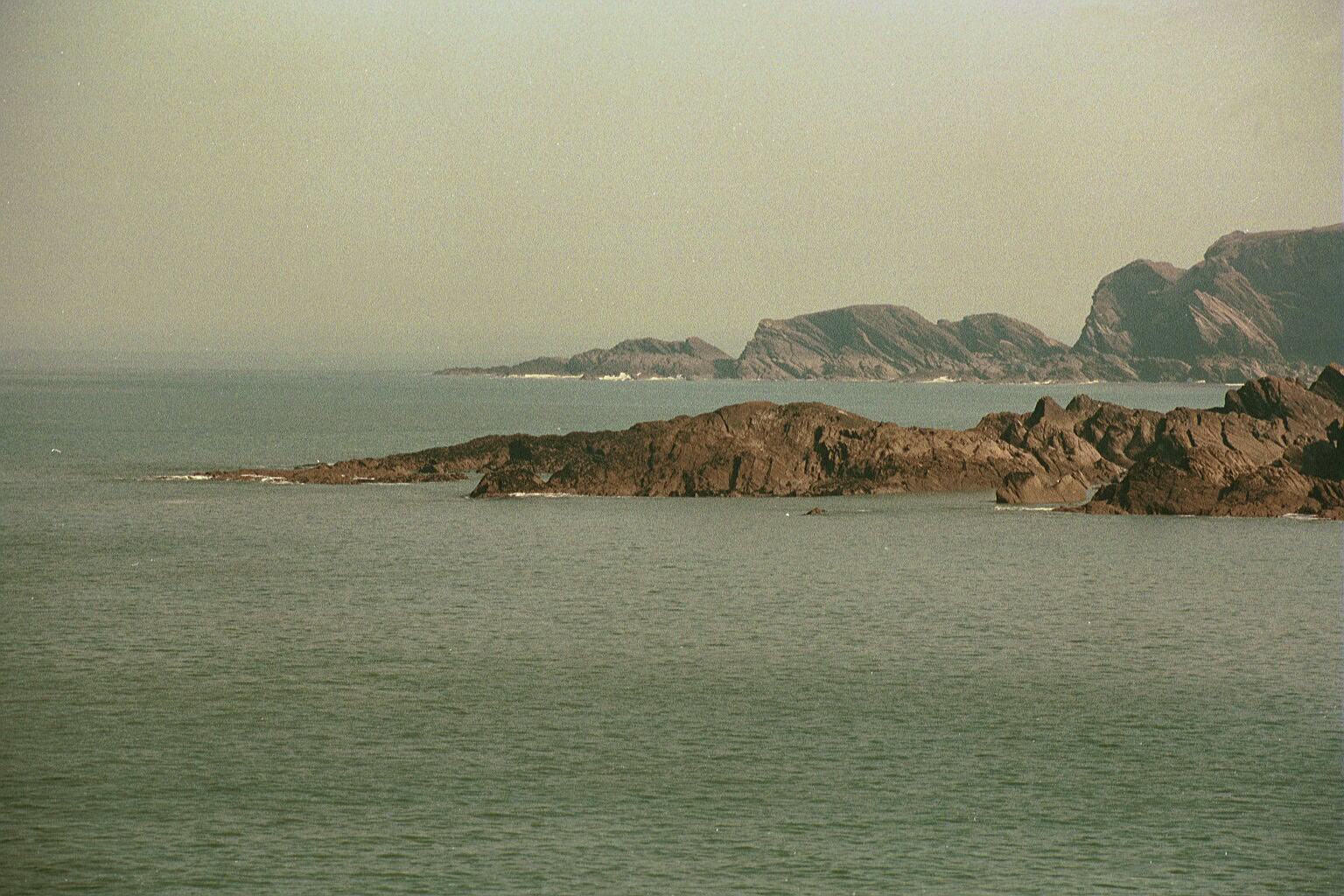
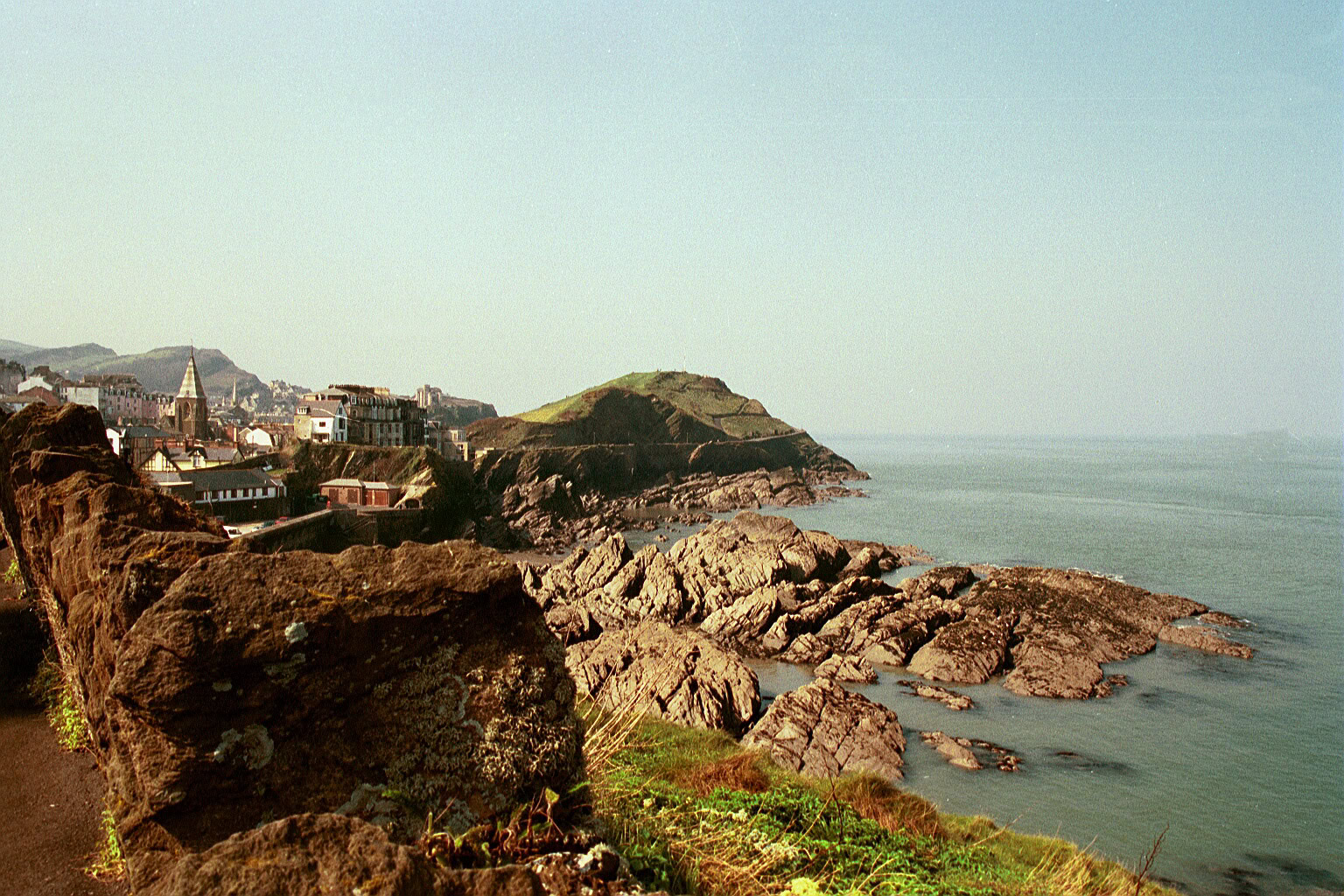
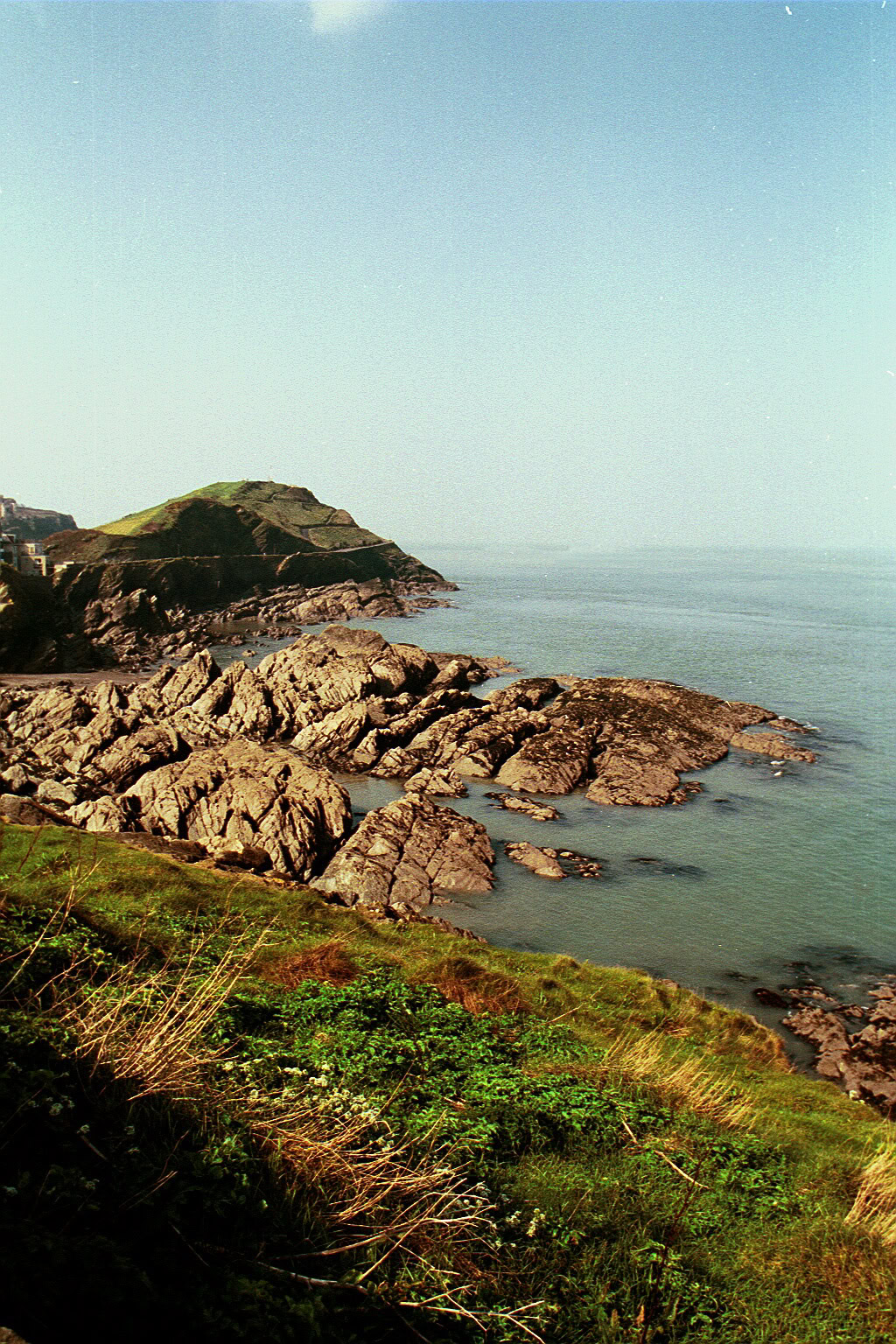
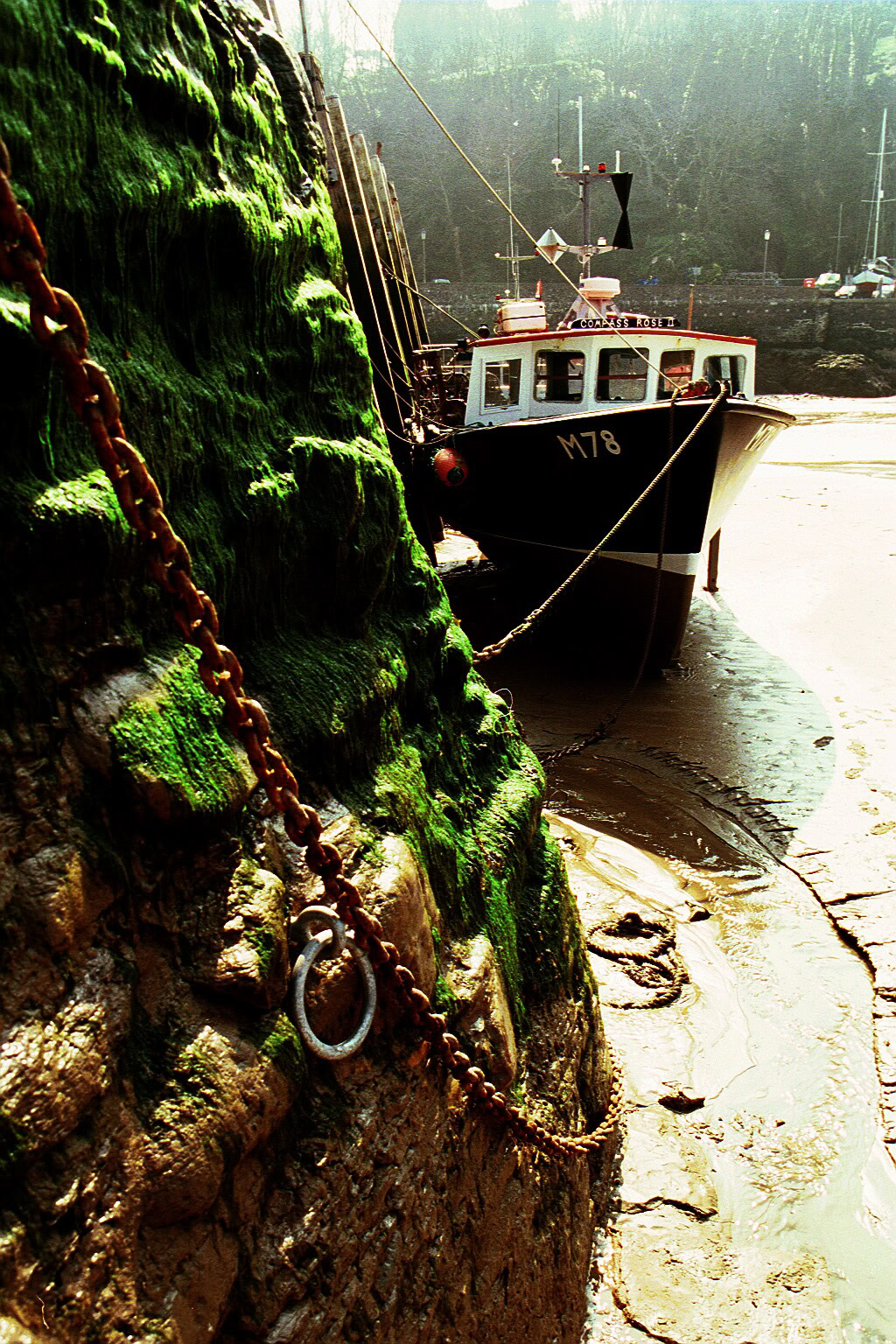
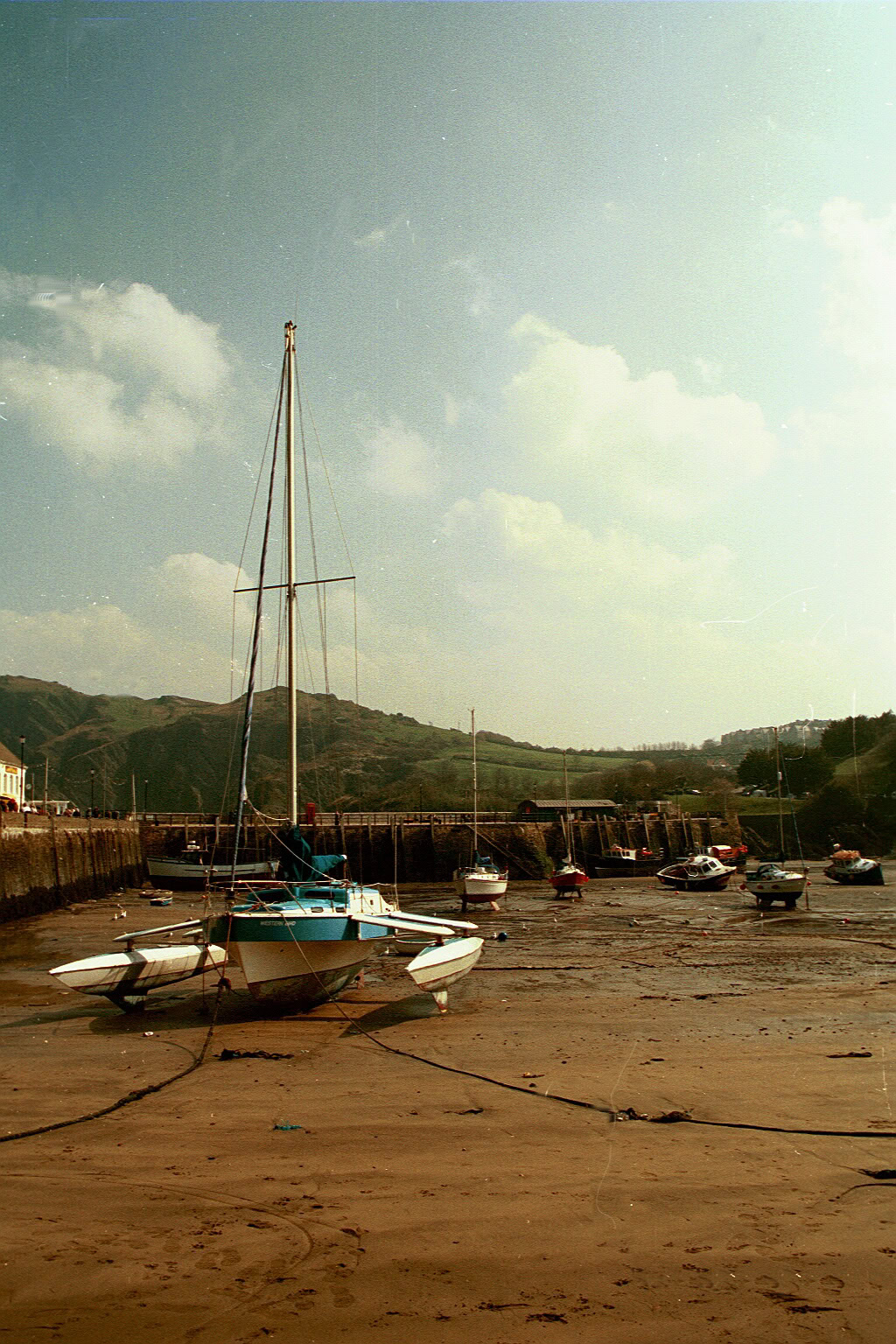
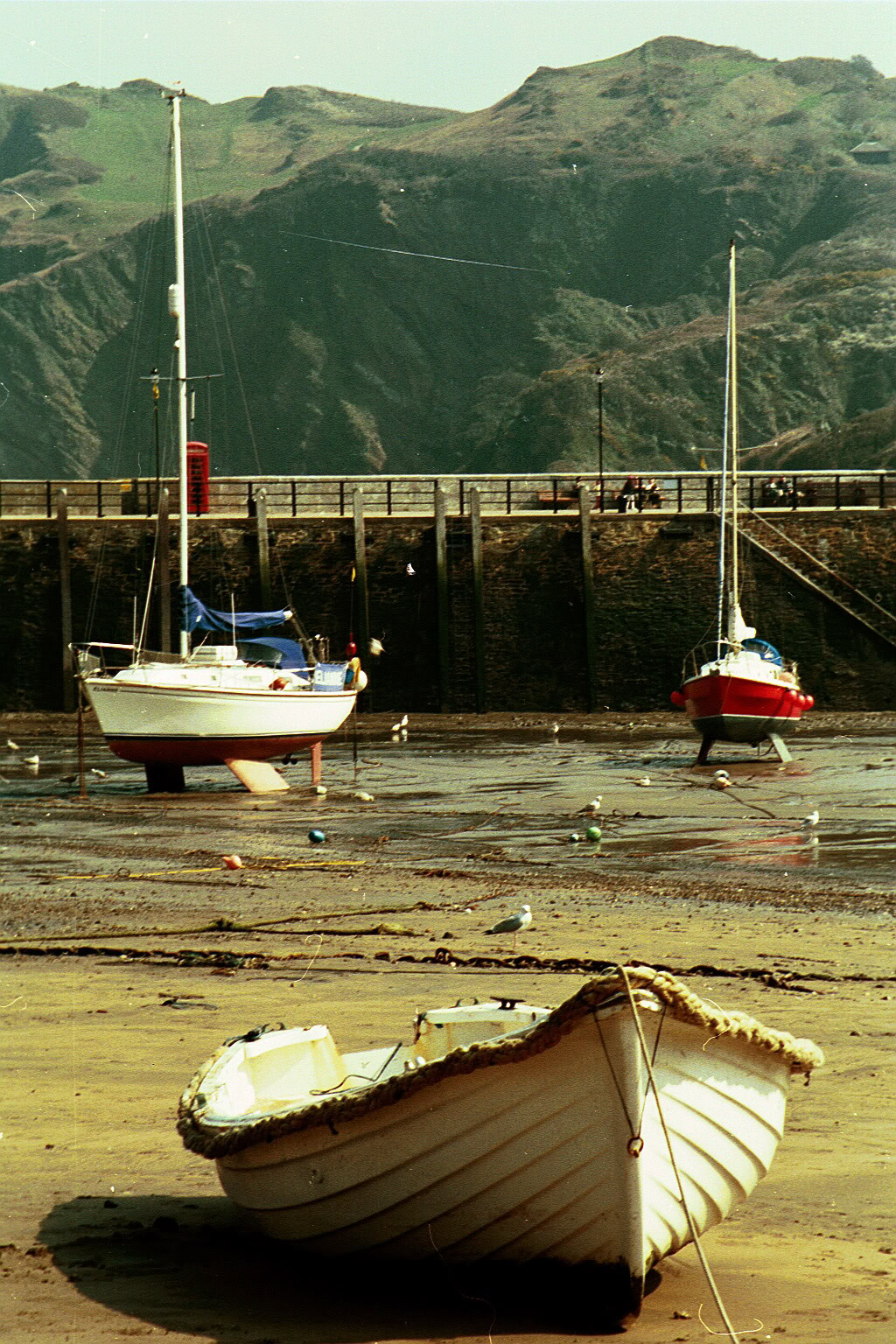
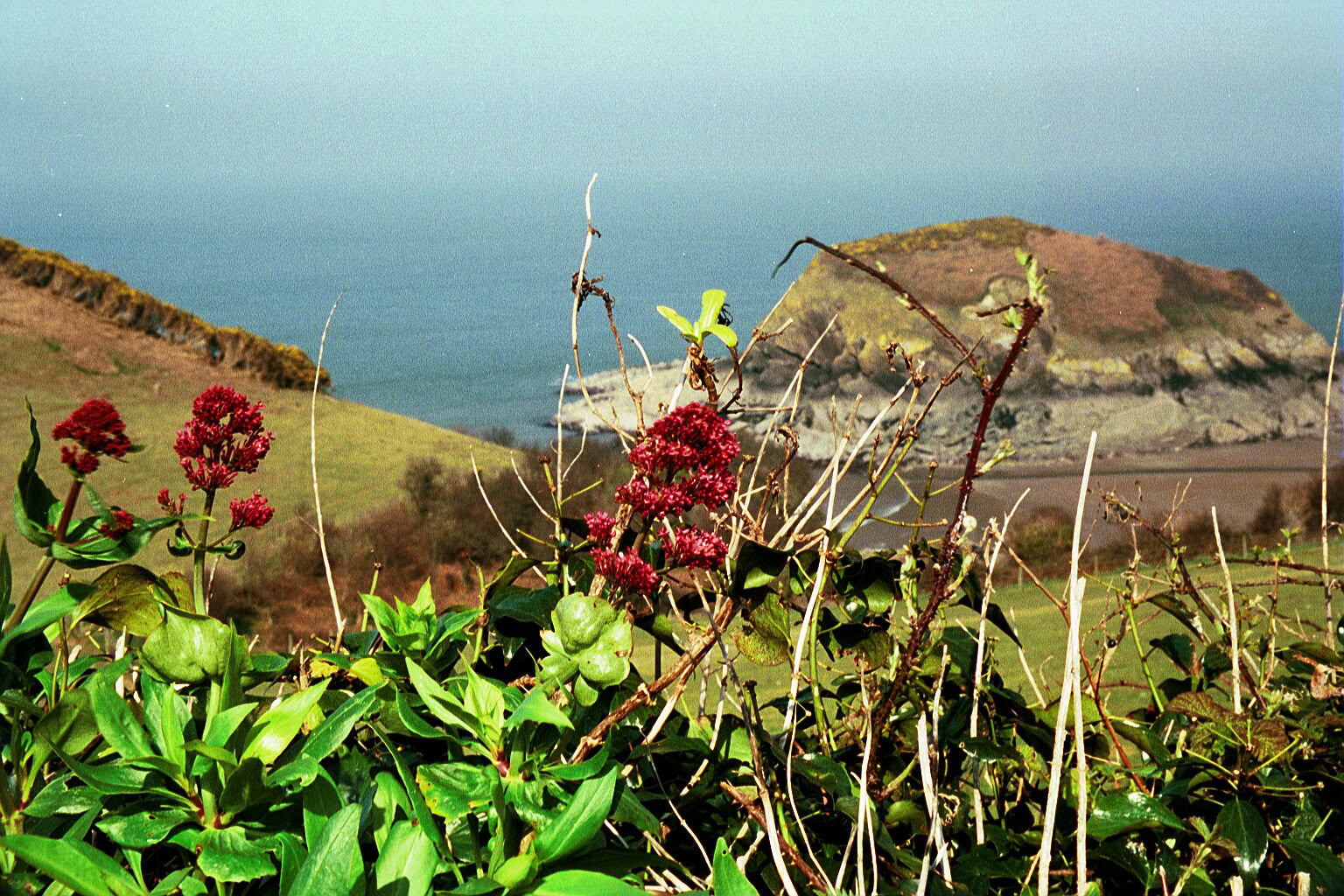
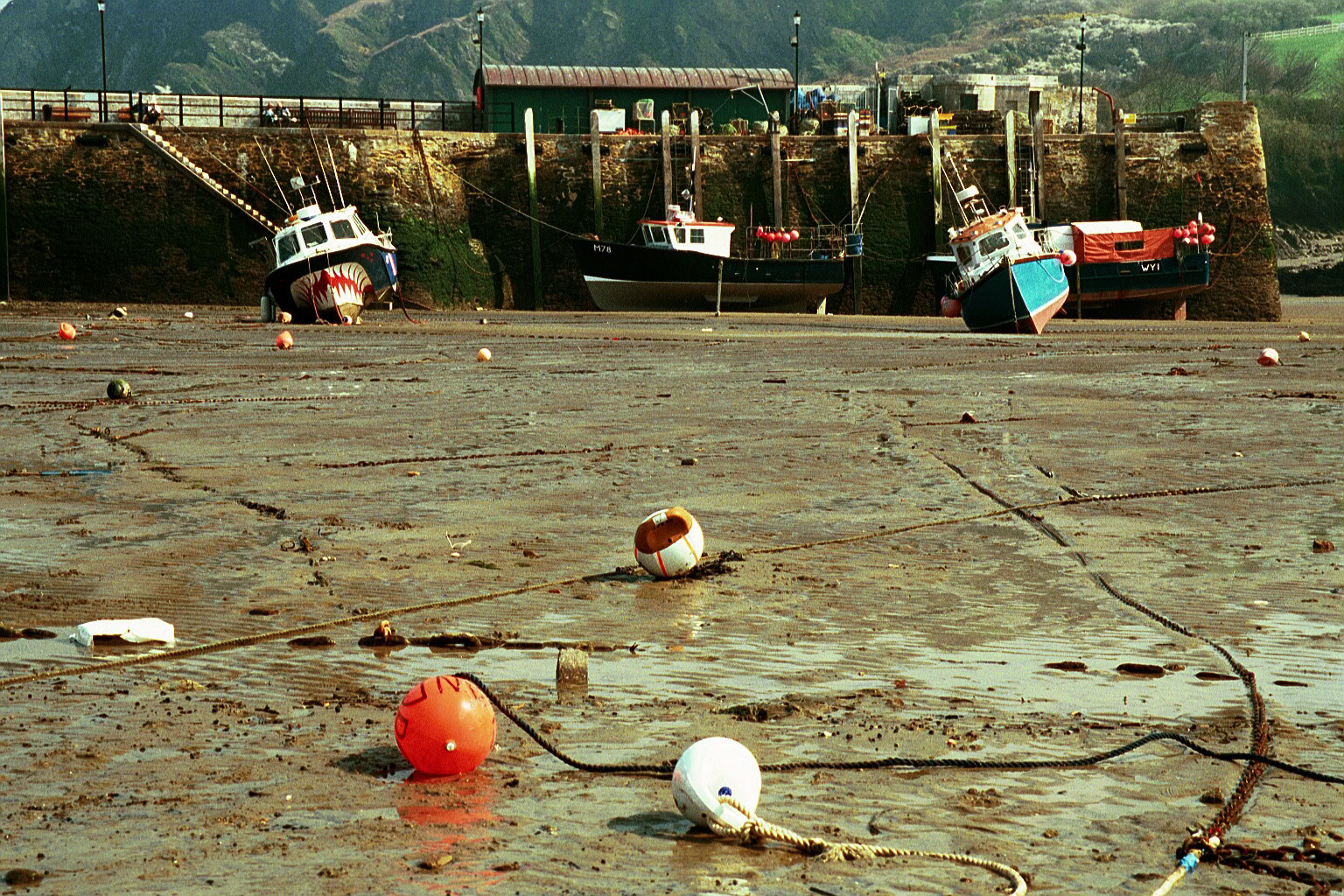
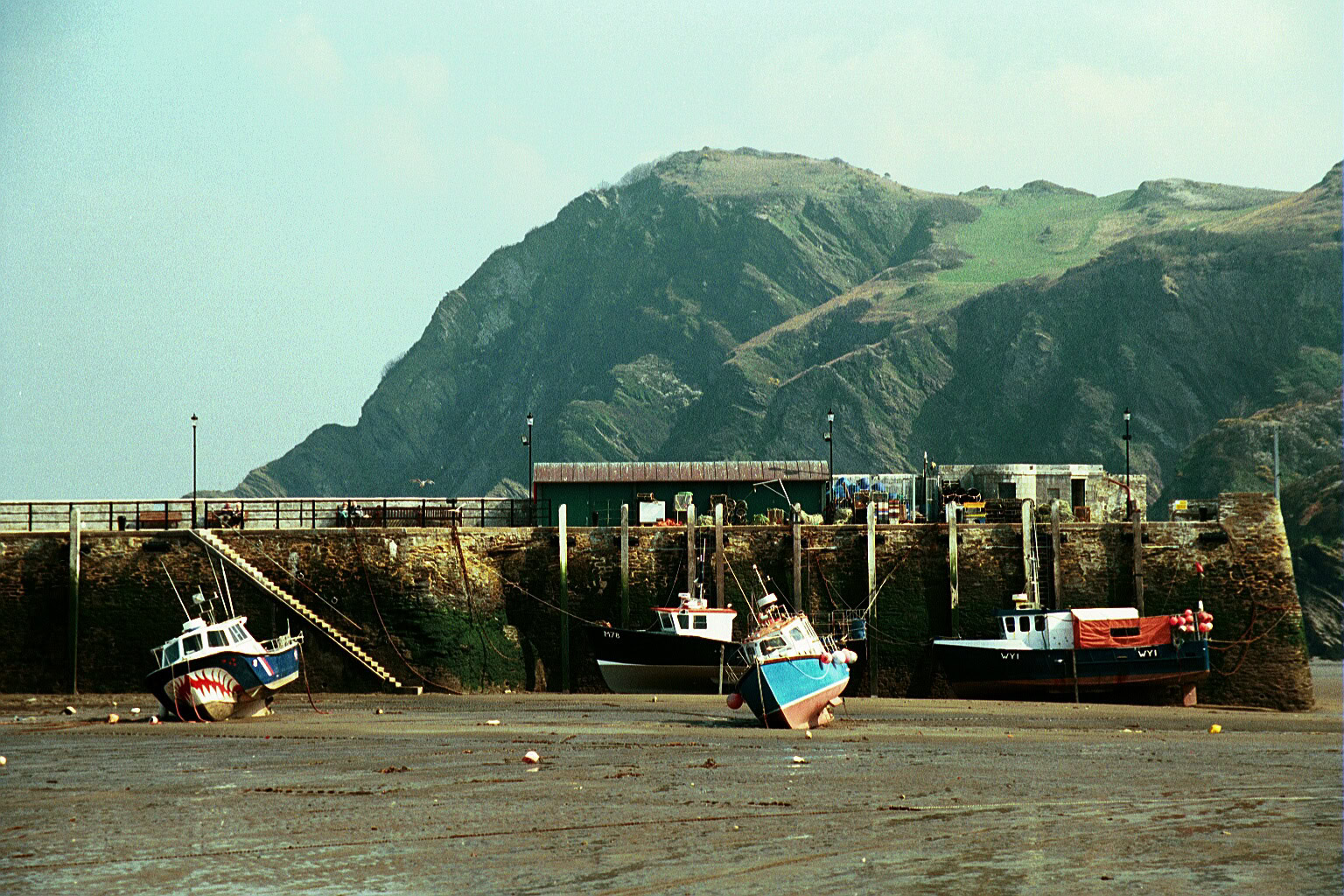
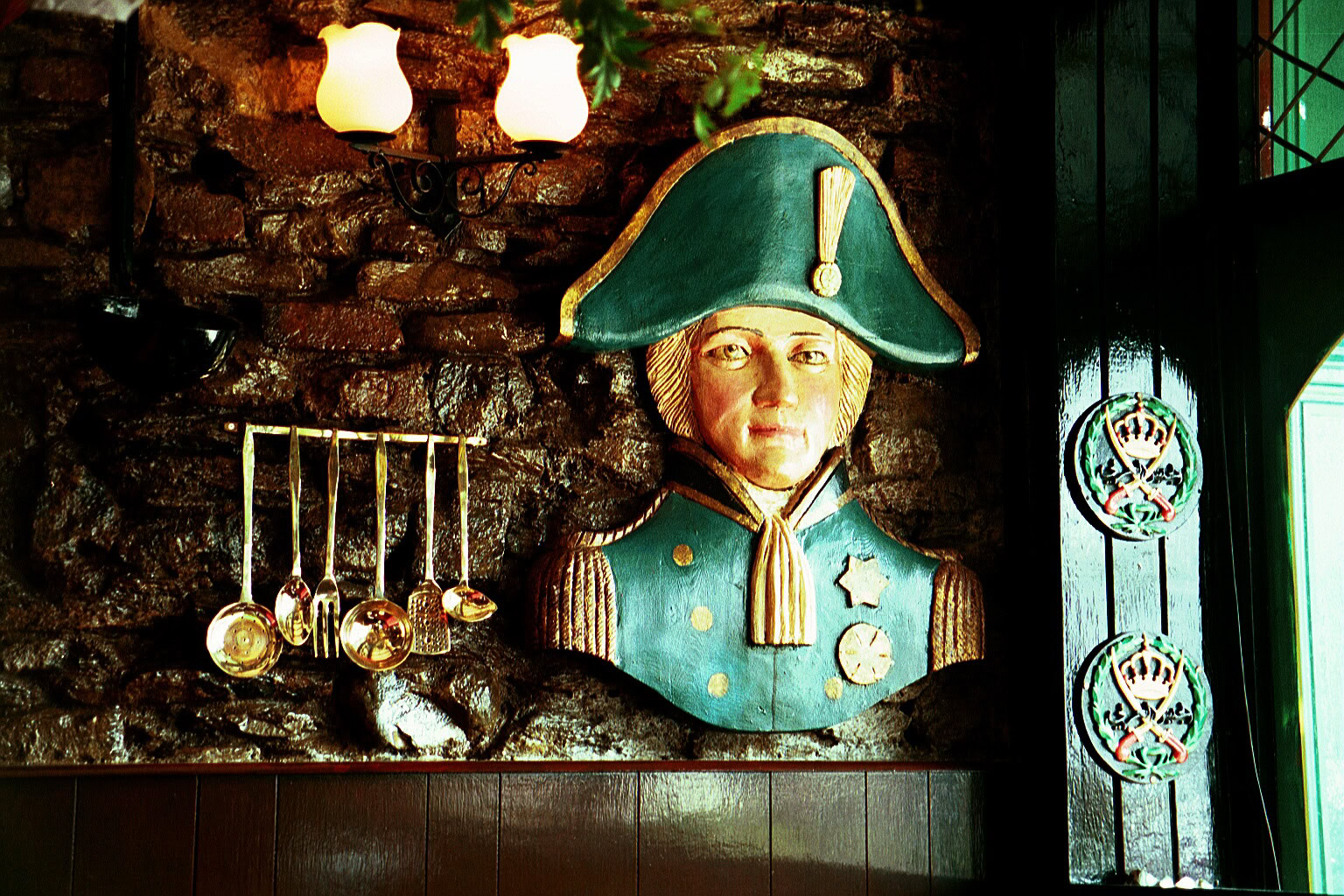
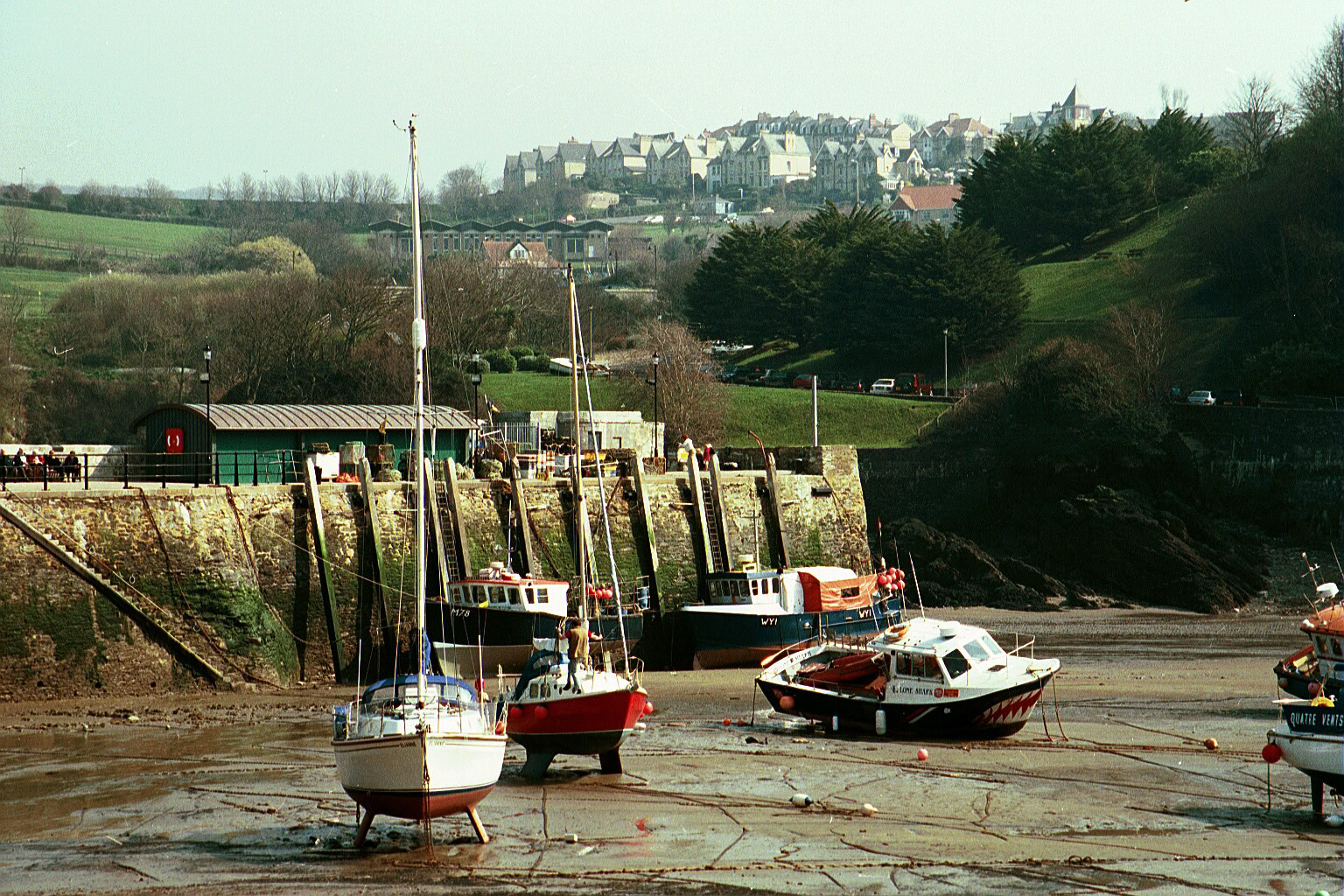
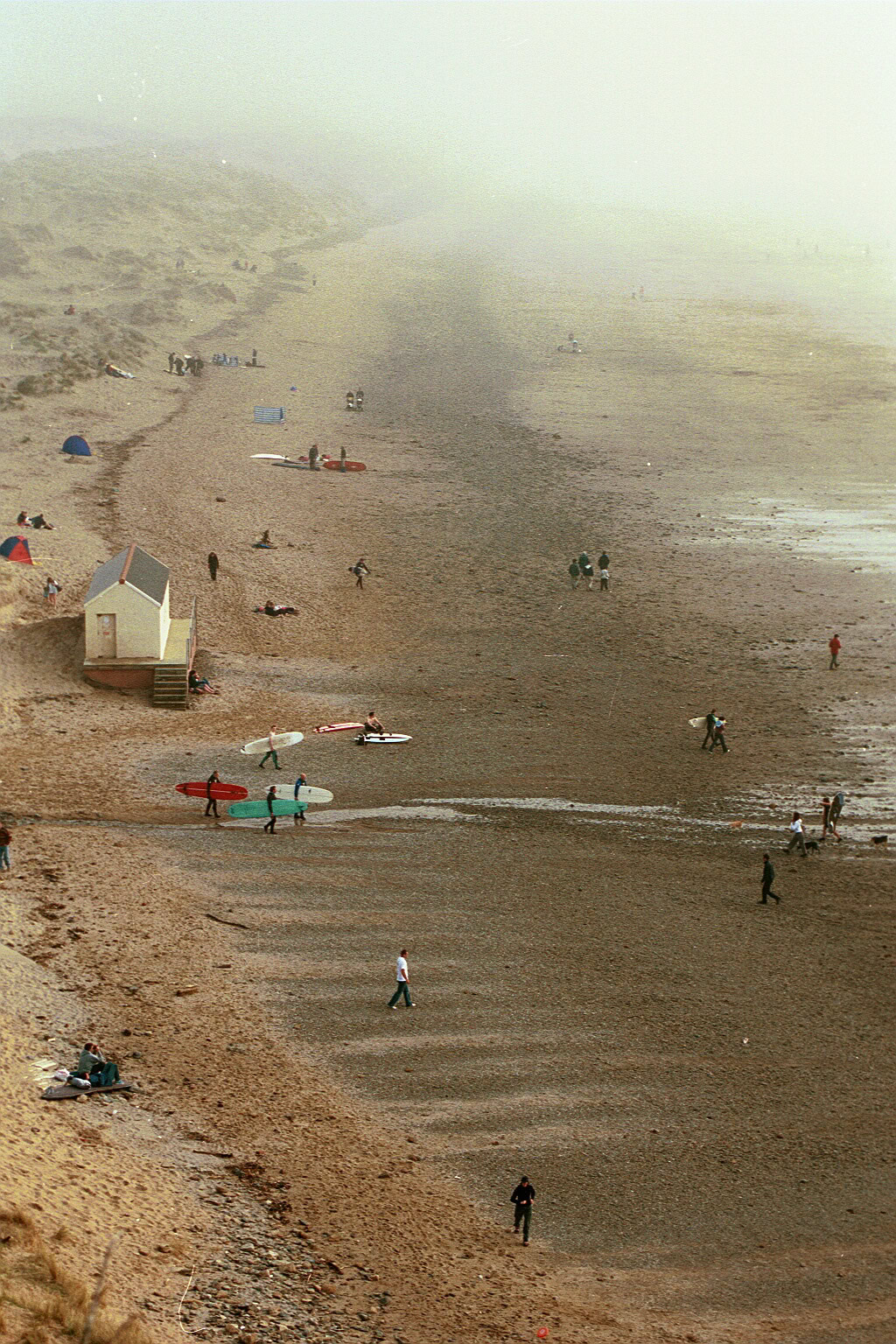
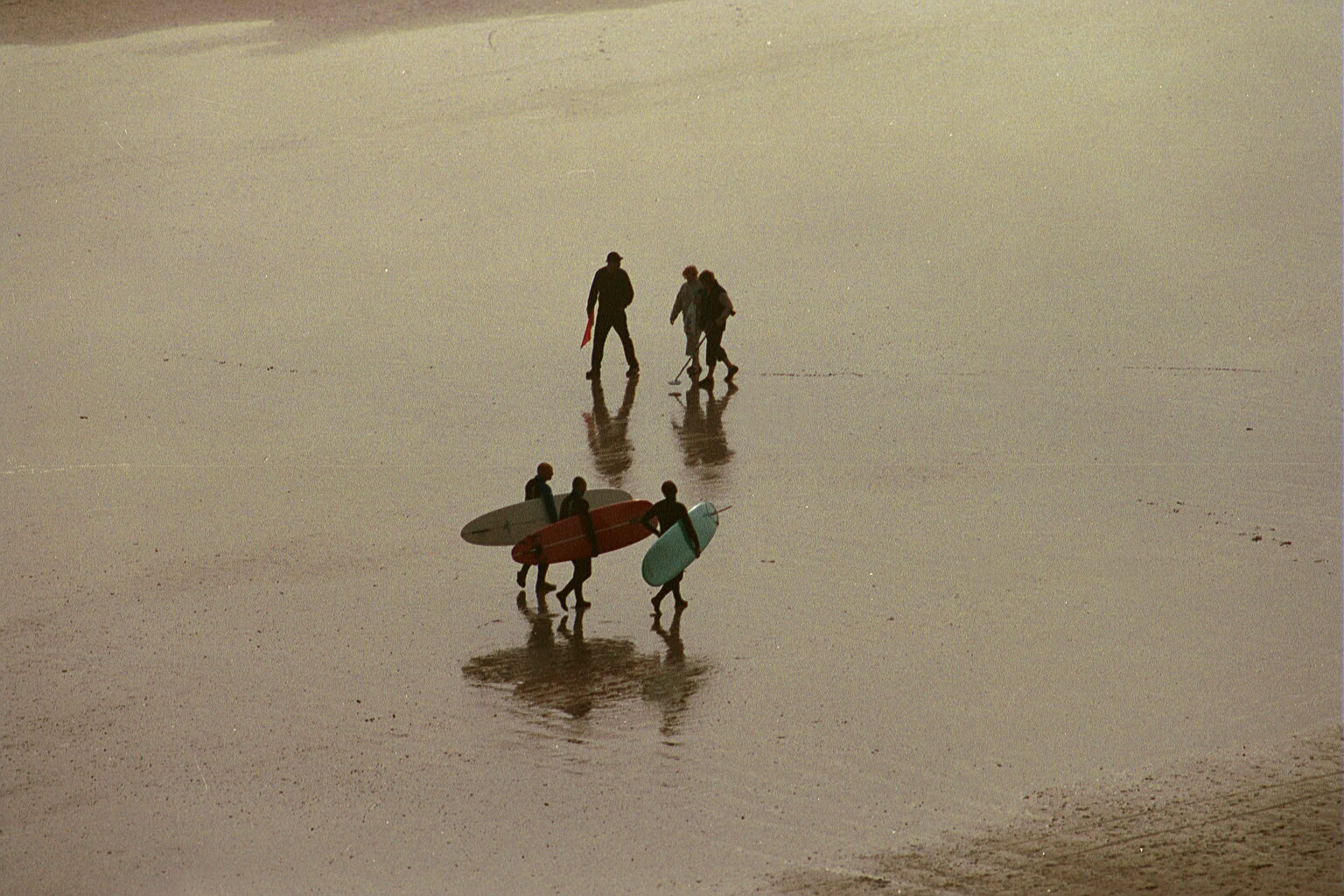
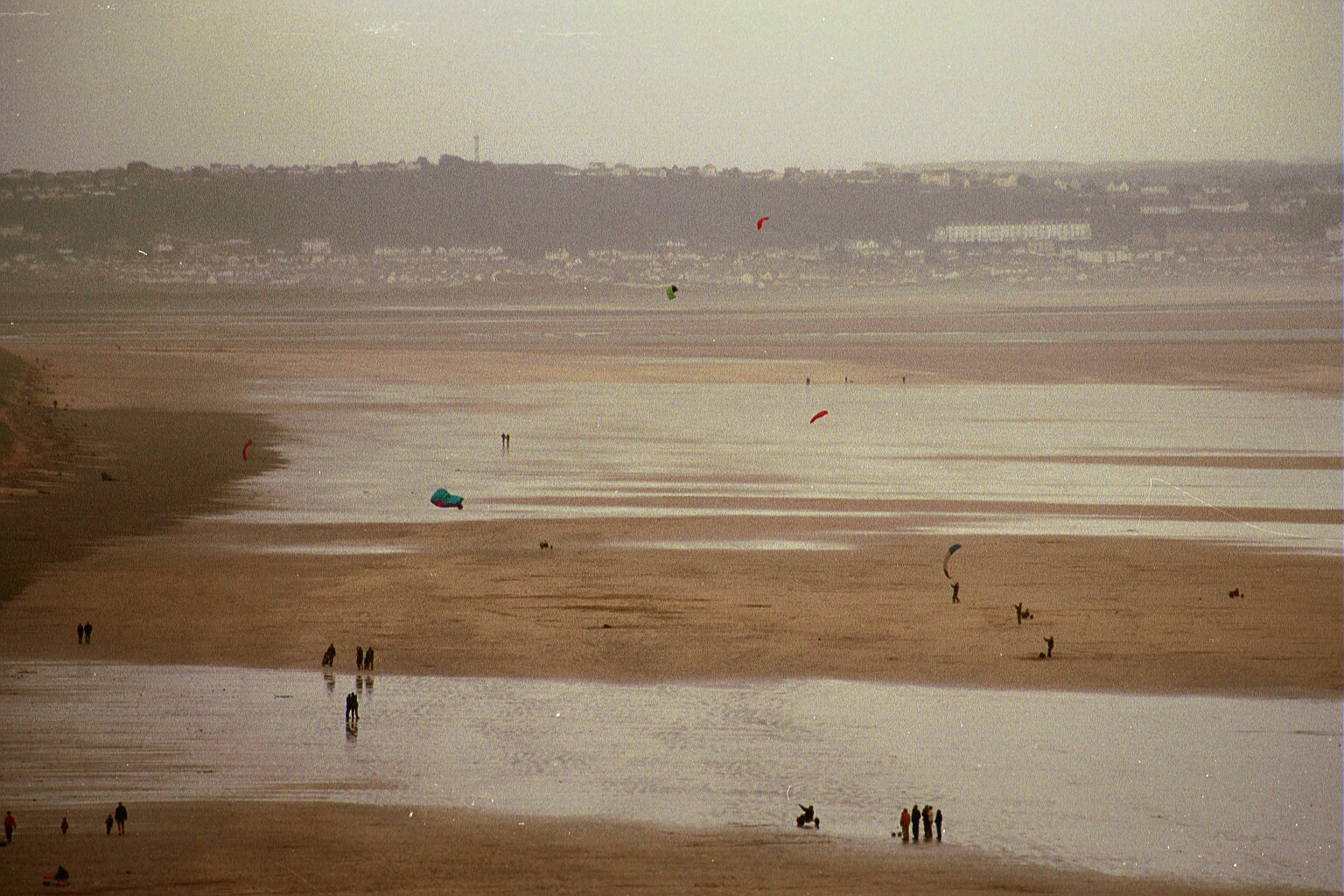
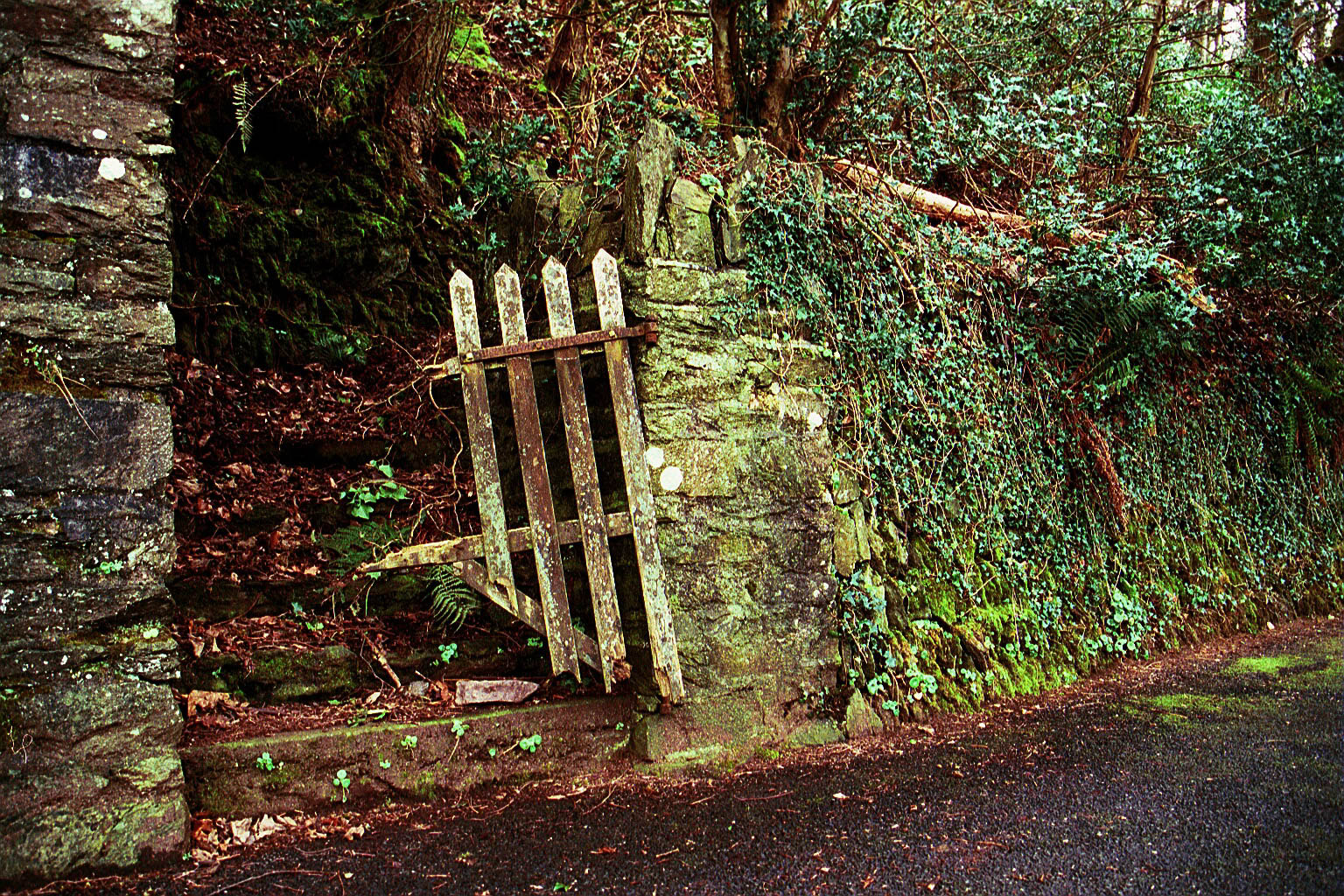
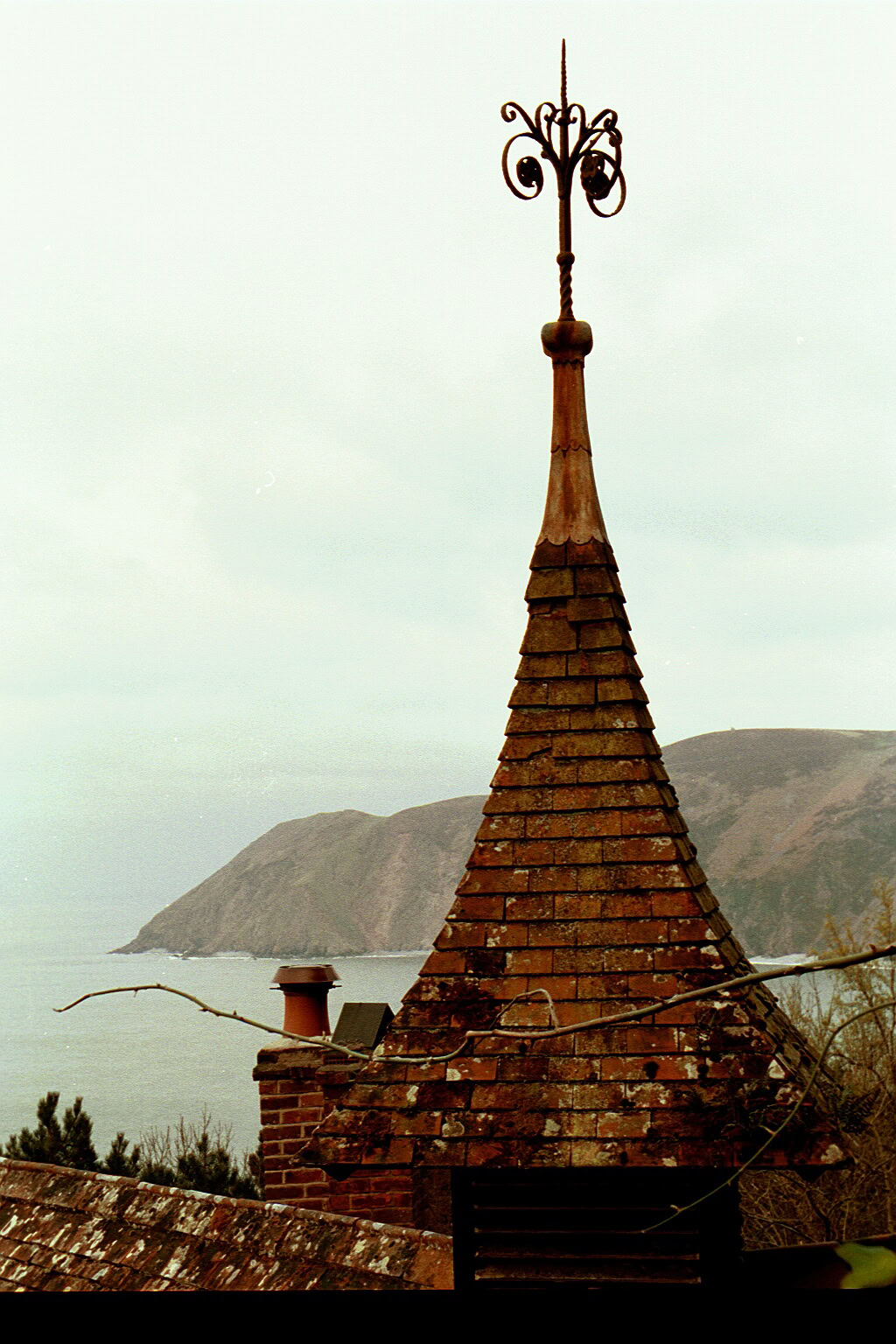
March 2002 - Glimpses of Devon






















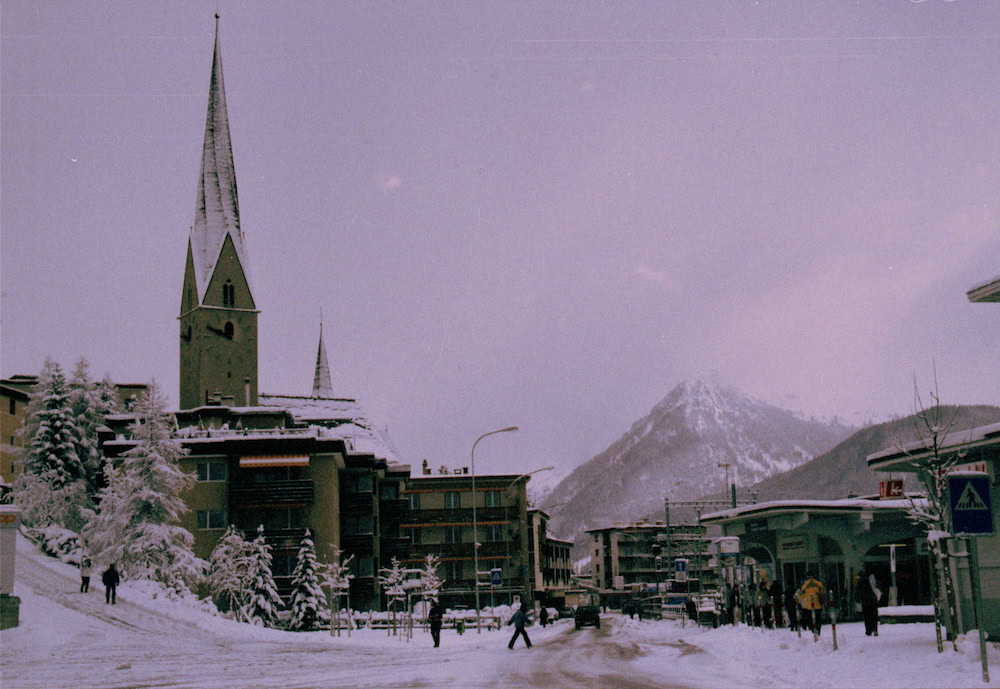
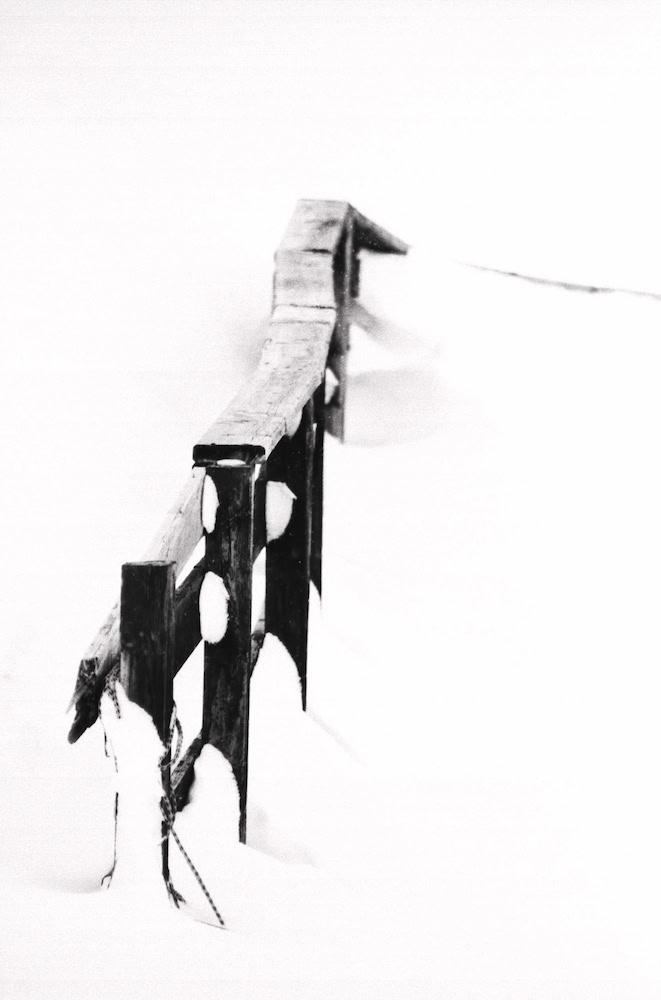
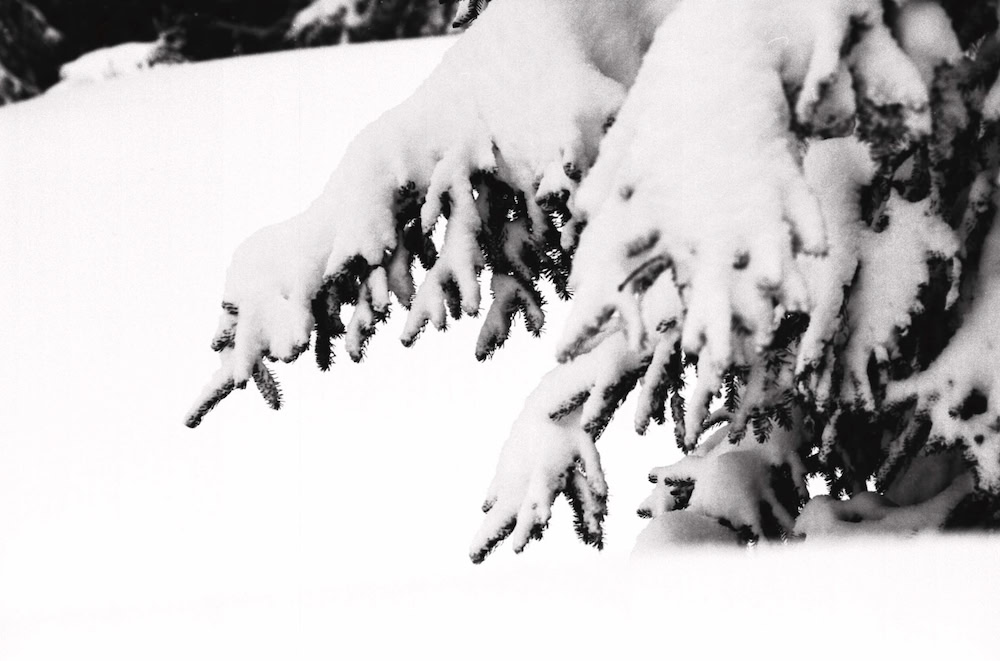
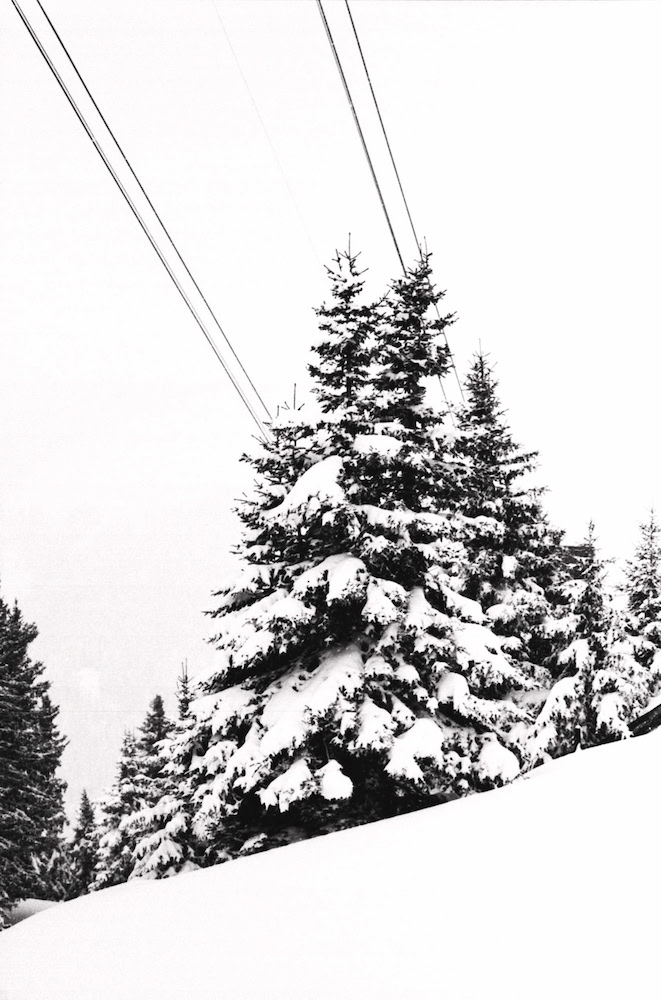
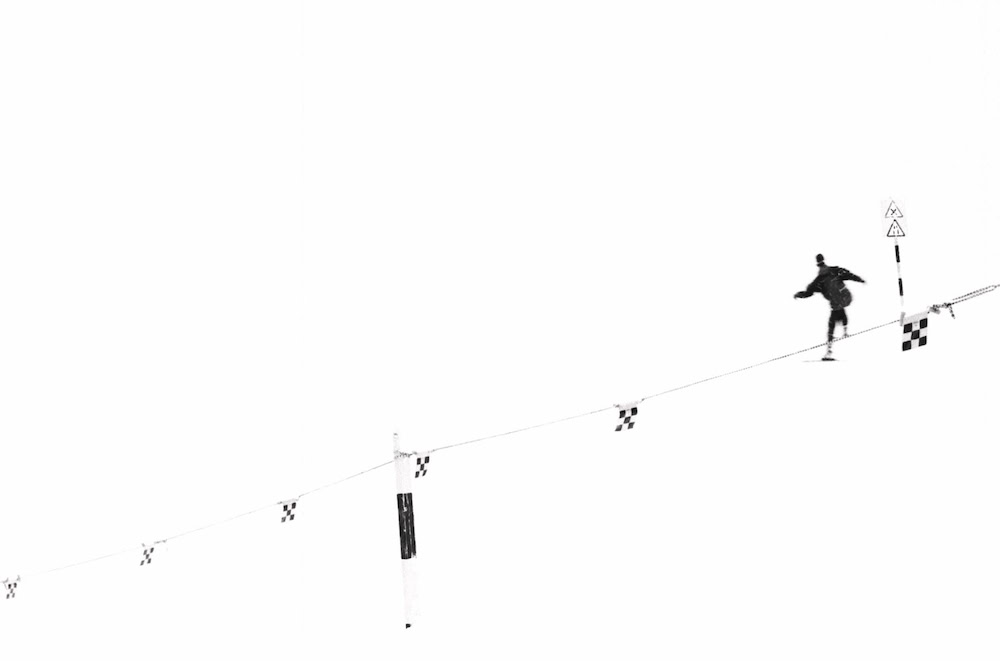
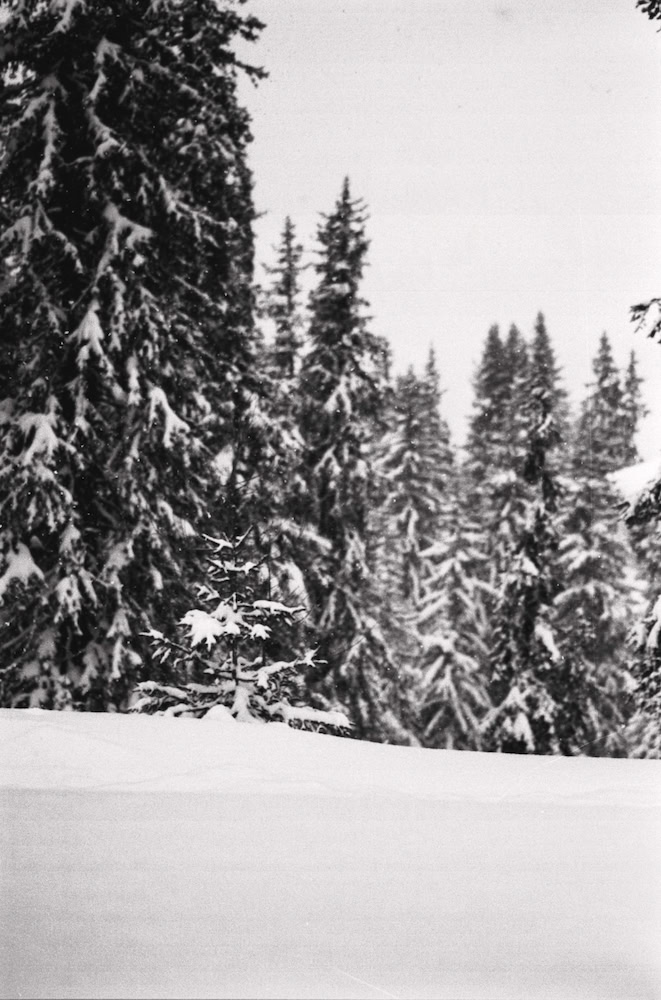
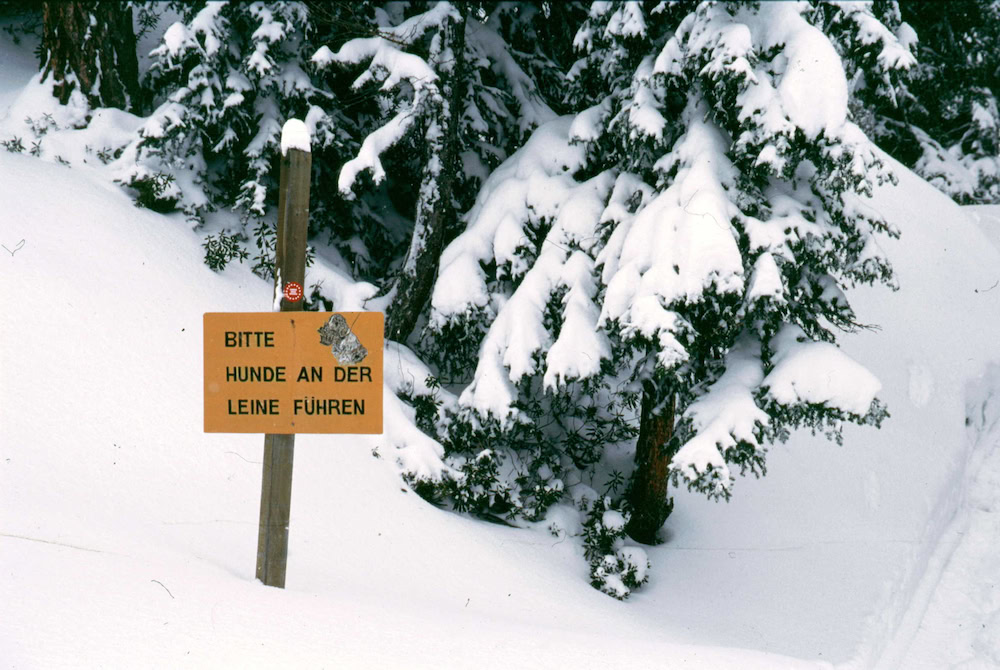
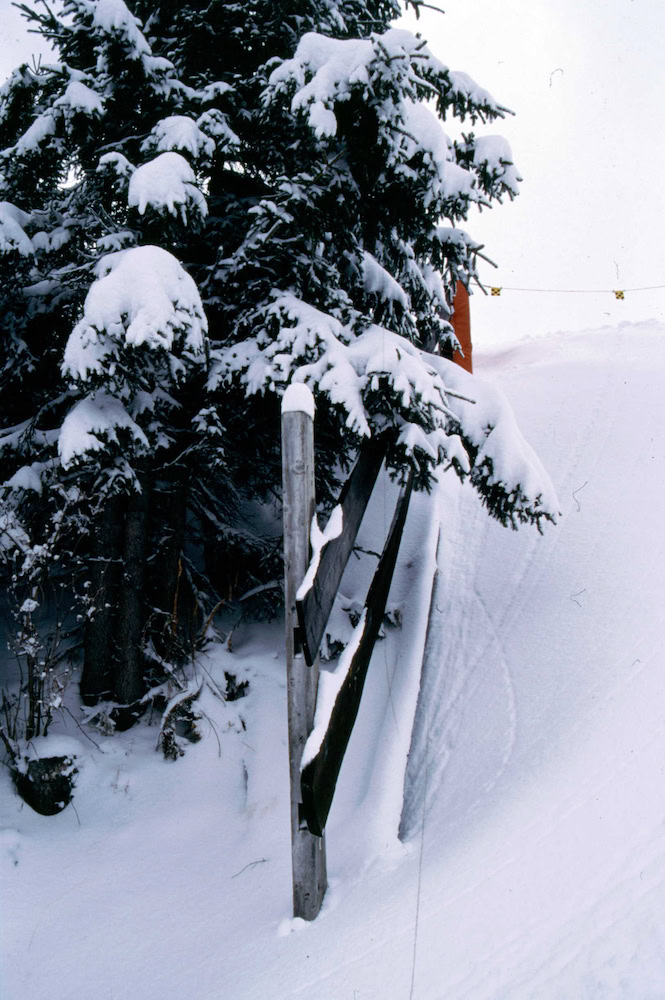
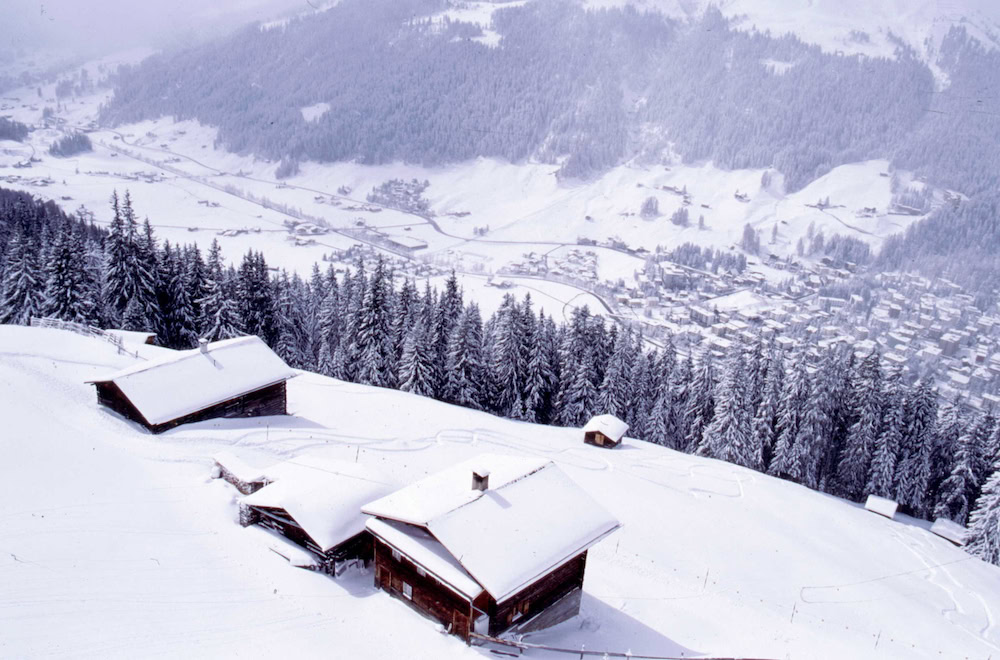
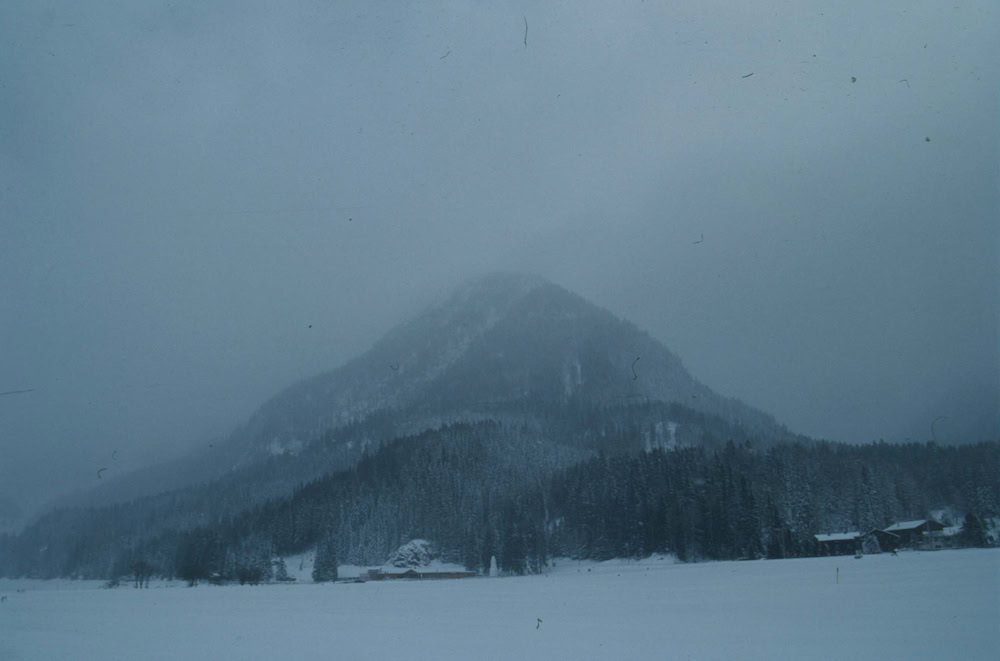
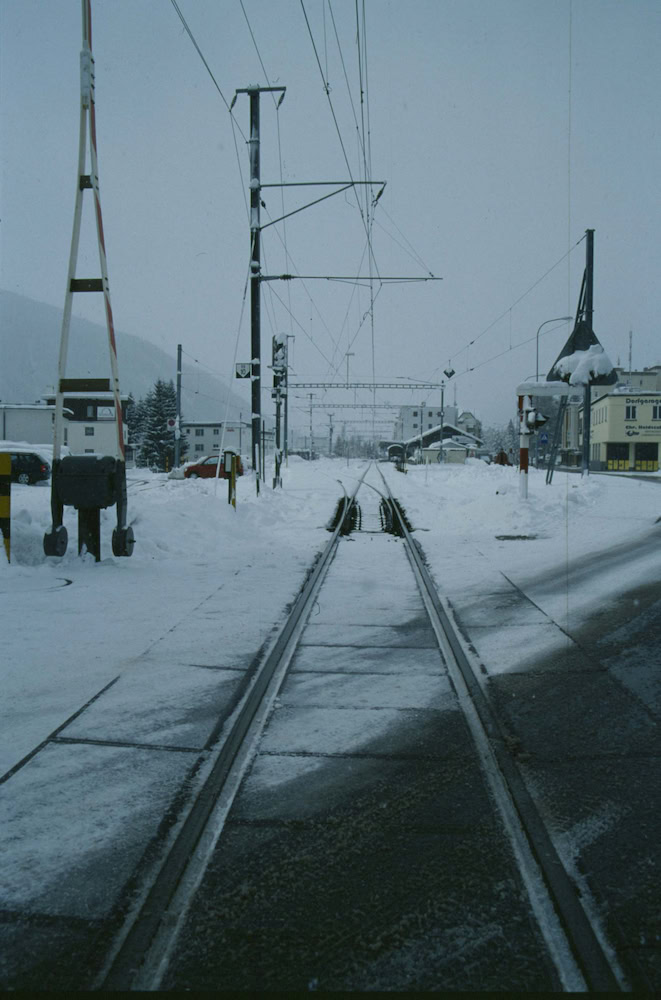
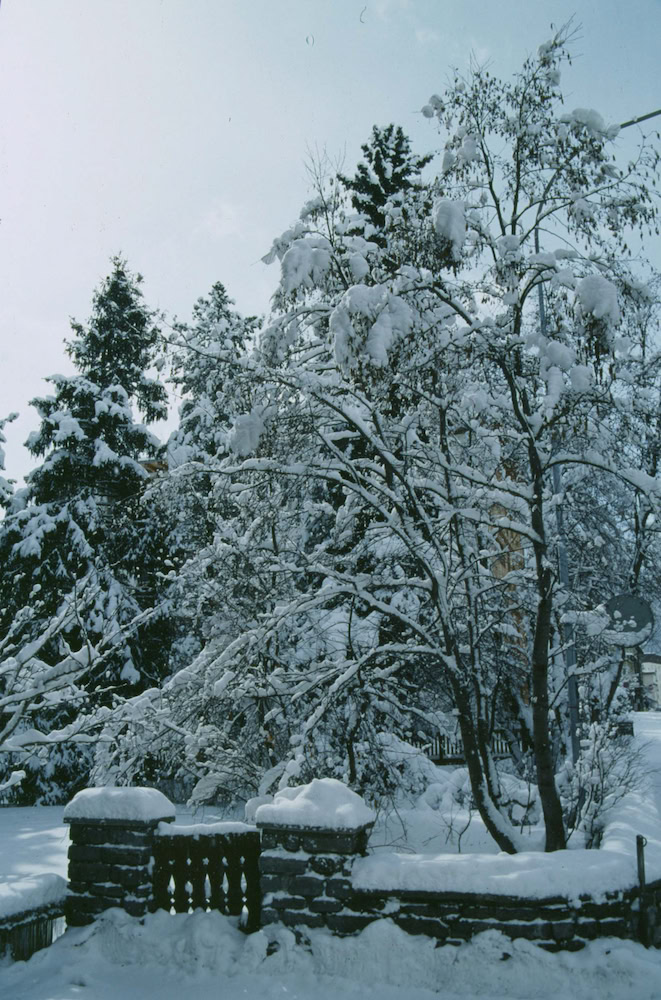
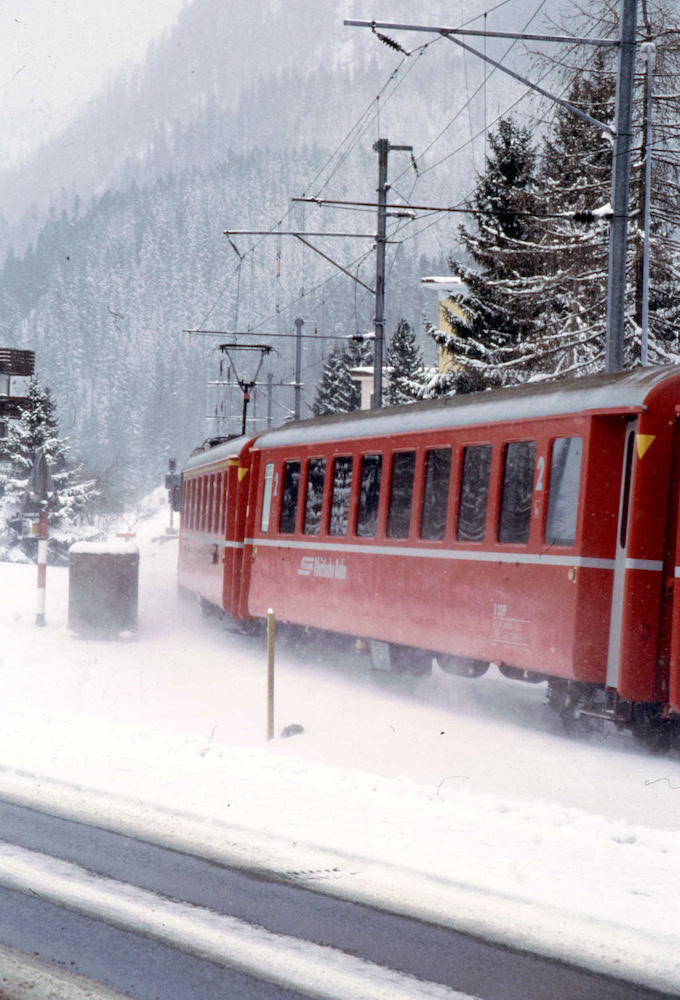
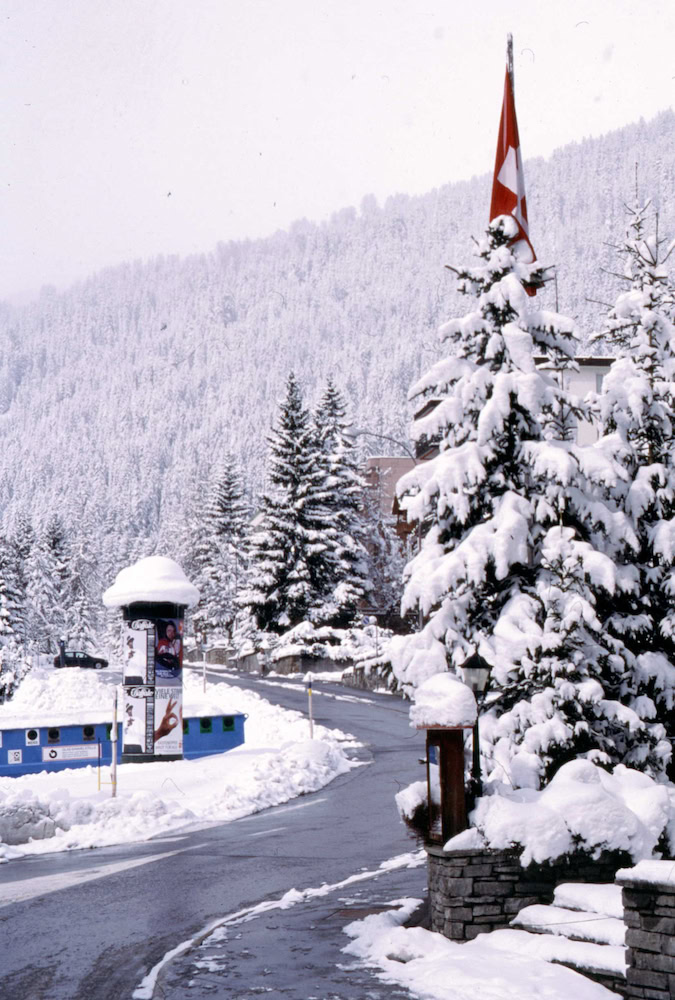
February 2002 - Davos in (quasi) Monochrome